- All
- Product Name
- Product Keyword
- Product Model
- Product Summary
- Product Description
- Multi Field Search
 English
 Views: 0 Author: Site Editor Publish Time: 2026-05-23 Origin: Site
TL;DR: PVOH-based biodegradable films dissolve completely in water, offering a safe and eco-friendly solution for hazardous material handling. Businesses use these materials for medical infection control, industrial containment, and daily consumer goods to minimize direct contact with contaminants and reduce long-term environmental plastic waste.
Maintaining stringent hygiene standards while minimizing environmental impact is a complex challenge for modern businesses. Traditional plastics have long been the default for containment and sanitation. However, these materials generate significant waste and often require workers to physically handle contaminated or hazardous goods during disposal.
To solve this problem, manufacturers have developed innovative polyvinyl alcohol (PVOH) films. These materials provide a durable barrier during transport and storage but dissolve completely when exposed to water at specific temperatures. This unique property eliminates the need to open contaminated containers manually.
Jiangmen Proudly Water-soluble Plastic Co., Ltd. has spent nearly two decades perfecting these functional materials. Integrating Water soluble packaging into your daily operations protects your staff from harmful exposure while significantly reducing your organizational carbon footprint.
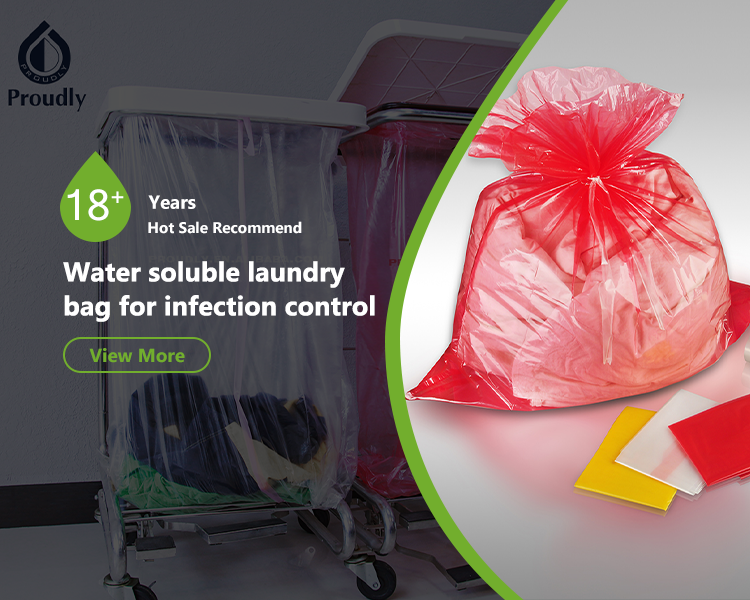
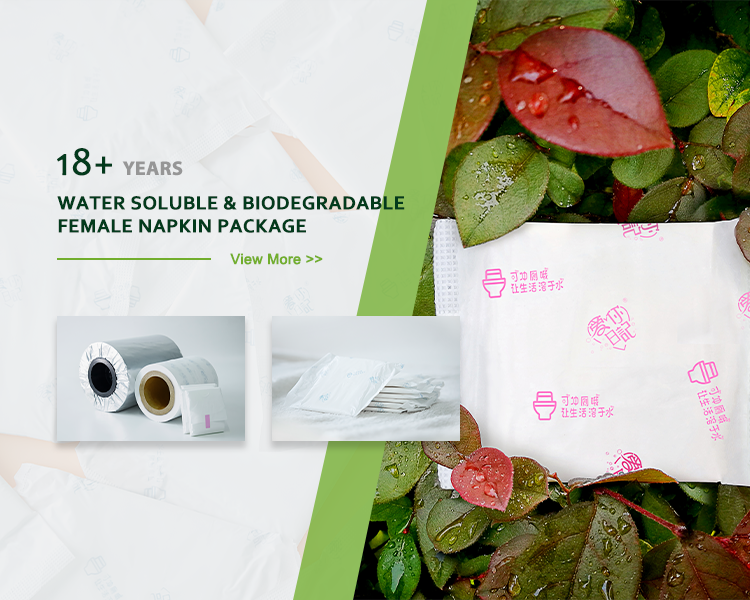
PVOH is a synthetic polymer that is highly soluble in water. Manufacturers can adjust the dissolving temperature and speed of the film based on the specific needs of the end user. For example, a film designed for laundry applications might only dissolve in hot water, while films used for agricultural chemicals might dissolve in cold water.
According to product testing data from Jiangmen Proudly, these materials achieve a biodegradability rate of at least 90 percent within 180 days under composting conditions. In standard sewage water conditions, they reach a 75 percent biodegradability rate within 72 days. This means the material breaks down into harmless components, passing rigorous ecotoxicity and heavy metal tests. Marine life and birds can safely digest the dissolved residue without harm.
Medical facilities must handle contaminated linens, garments, and surgical drapes daily. Moving these items from isolation wards to laundry facilities creates multiple touchpoints where airborne pathogens can spread. Staff safety relies on minimizing direct interaction with these soiled materials.
To mitigate this risk, facilities utilize specialized containment solutions like hospital laundry bags made from PVOH. The material features superior air barrier performance, effectively preventing the diffusion of harmful microorganisms. Staff simply place the sealed bag directly into the washing machine. The protective film dissolves entirely during the wash cycle, releasing the contents for cleaning while leaving no residue behind.
Industrial agriculture and manufacturing sectors regularly handle toxic compounds. Measuring and mixing raw pollutants exposes workers to concentrated dust and fumes. Traditional plastic containers also retain toxic residue, making safe disposal difficult and expensive.
Utilizing specialized Chemical packaging allows workers to drop exact doses of active ingredients directly into mixing tanks. The film melts away, dispersing the contents safely. This completely eliminates worker exposure to airborne dust and prevents residual waste from lingering in landfills.


When evaluating material upgrades for your business, it helps to review the functional differences between conventional plastics and dissolving films.
Feature | Traditional Plastics (LDPE/HDPE) | PVOH Dissolving Films |
Water Solubility | None | Fully soluble at specified temperatures |
Worker Exposure Risk | High (requires manual opening) | Low (dissolves directly in processing tanks) |
Biodegradability | Hundreds of years | >= 90% within 180 days (composting) |
Toxicity | Can release microplastics | Safe, non-toxic, passes ecotoxicity tests |
Air Barrier Performance | Standard | Superior (prevents microorganism diffusion) |
Upgrading your containment strategy requires a clear understanding of your operational workflows. Begin by auditing your current waste streams to identify areas where staff handle hazardous or contaminated goods. Medical facilities should prioritize laundry processing and biohazard transport, while industrial plants should look at raw material mixing stations.
Consult with established manufacturers to determine the correct film thickness and dissolving temperatures required for your equipment. By implementing these biodegradable alternatives, your organization will safeguard its workforce while contributing to a healthier ecosystem.
Yes. PVOH films are safe and non-toxic. They break down into harmless compounds that marine life and plants can safely process. They pass rigorous ecotoxicity and hard metal tests, ensuring they do not pollute waterways.
Yes. High-quality PVOH materials can safely contact food and are occasionally used for food additives, provided they meet specific regulatory standards for human consumption and safety.
Under composting conditions, the material achieves a biodegradability rate of 90 percent or higher within 180 days. In sewage water conditions, it reaches 75 percent biodegradability within 72 days.
Manufacturers formulate different grades of film to withstand varying levels of ambient moisture. While you should handle the materials with dry hands to prevent premature degradation, they are designed to remain structurally sound during standard storage and transport.