- All
- Product Name
- Product Keyword
- Product Model
- Product Summary
- Product Description
- Multi Field Search
 English
 Views: 0 Author: Site Editor Publish Time: 2026-05-14 Origin: Site
Finding packaging that protects products without harming the environment remains a significant challenge for modern manufacturers. For decades, traditional plastics offered durability and convenience, but they left behind a legacy of pollution that takes centuries to break down. Consumers now demand better, and regulatory bodies are strictly enforcing new waste management protocols.
This shift has accelerated the adoption of alternative materials that disappear entirely after use. One of the most promising developments in this space is polyvinyl alcohol (PVA). This synthetic polymer offers the structural integrity needed to transport goods safely, yet it dissolves completely when exposed to the right temperature of water. Marine life and birds remain unaffected, and the material leaves behind no toxic residue.
By integrating these biodegradable options, organizations can significantly reduce their carbon footprint while maintaining high operational standards. This guide explains how these unique materials function, explores their most valuable applications across various sectors, and highlights the equipment driving this sustainable revolution.
Polyvinyl alcohol is a unique polymer designed to disintegrate upon contact with aqueous solutions. Manufacturers can adjust the exact temperature and speed at which the material breaks down, making it highly versatile for different climates and use cases. For instance, a product intended for cold climates can be engineered to withstand lower temperatures without degrading prematurely.
When you hold a piece of Water Soluble Film, it feels surprisingly similar to standard plastic. It possesses excellent tensile strength and provides a reliable barrier against air and gases. However, its life cycle is drastically different. Instead of lingering in landfills, it completely dissolves, breaking down into water and carbon dioxide with the help of bacterial microorganisms present in standard water treatment facilities.
This functional material has passed rigorous ecotoxicity tests. It can safely come into contact with food, and it absorbs free formaldehyde effectively. This makes it an incredibly safe choice for both industrial settings and consumer households.

To truly appreciate the value of PVA materials, it helps to see how they stack up against conventional options. The table below outlines the primary differences between standard packaging and biodegradable alternatives.
Feature | Conventional Plastics | PVA Alternatives |
Primary Composition | Petroleum-based polymers | Polyvinyl alcohol (synthetic polymer) |
End of Life | Hundreds of years in landfills | Dissolves in water, biodegradable |
Marine Toxicity | High risk of microplastic ingestion | Safe, non-toxic to marine life |
Gas Barrier Properties | Variable | Excellent (blocks odors and gases) |
Temperature Resistance | High melting points | Engineered to dissolve at specific temperatures |
Healthcare facilities manage thousands of pounds of contaminated linens every day. Transporting bedsheets, gowns, and towels from patient rooms to industrial washing facilities carries a high risk of cross-contamination. Staff members who handle these linens face potential exposure to harmful pathogens and airborne bacteria.
To mitigate this risk, medical centers are adopting innovative isolation strategies. Contaminated linens are placed directly into specialized water soluble laundry bags right at the source. These secure barriers prevent the diffusion of harmful microorganisms during transit through the hospital corridors.
Once the sealed bags reach the cleaning facility, staff simply toss the entire package into the washing drum. The hot water rapidly melts the exterior barrier, releasing the linens directly into the cleaning cycle. Nobody has to open a contaminated package, drastically reducing occupational hazards for laundry workers and keeping the broader hospital environment safe.
Beyond the medical field, the everyday consumer market is heavily embracing these dissolving materials. Walk down any supermarket aisle, and you will see heavily concentrated cleaning products neatly packaged in single-dose formats. These small, pre-measured units eliminate the mess of pouring thick liquids and prevent consumers from using too much product per wash.
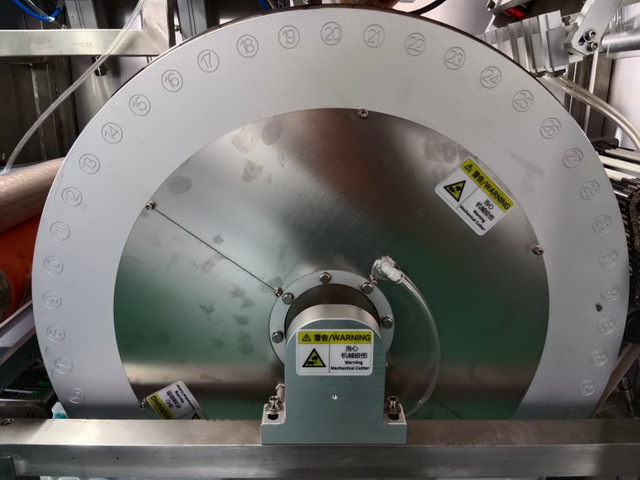
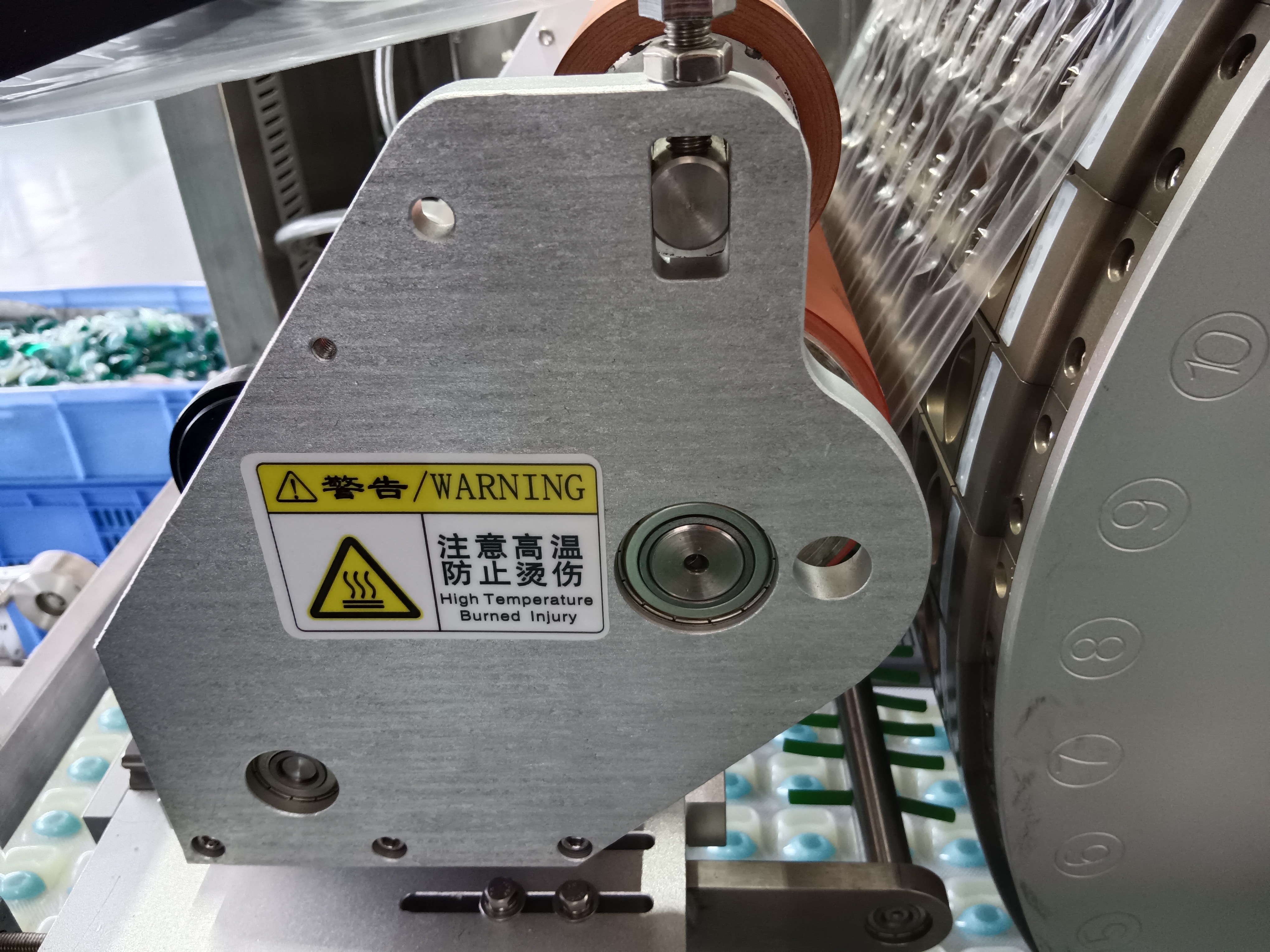
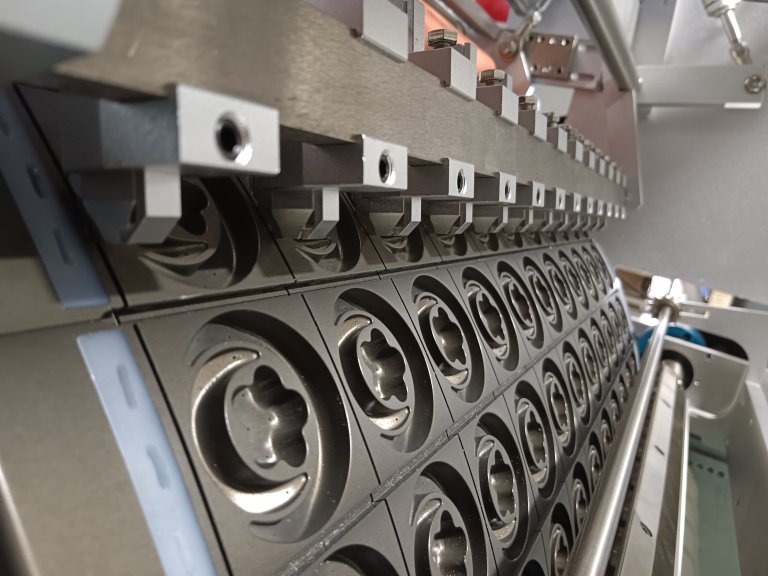
Creating these single-dose units requires highly specialized manufacturing equipment. The liquid or powder must be carefully sealed inside a thin, dissolving barrier without compromising the package's integrity. A high-quality detergent pod machine utilizes advanced cutting designs and precision filling technology to mass-produce these items rapidly.
Operators rely on this automated equipment to maintain consistency across thousands of units per hour. The machinery carefully controls the temperature and sealing pressure, ensuring that every single capsule holds its shape during transport but dissolves perfectly once it hits the consumer's washing machine.
Yes. The materials are designed to be soft, disintegrate, and dissolve completely in water. Marine life and birds can safely digest the dissolved compounds without experiencing any toxic effects.
Under proper composting conditions, the biodegradability rate exceeds 90% within 180 days. In standard sewage water conditions, it achieves a biodegradability rate of over 75% within just 72 days.
Absolutely. The non-toxic nature of the polymer means it can safely come into contact with food. It is entirely harmless to people, animals, and plants.
The transition away from harmful, single-use plastics requires practical, functional alternatives. Biodegradable PVA materials provide a clear path forward for industries ranging from healthcare to consumer goods. They deliver the strength and barrier protection necessary for demanding applications, yet they vanish completely when their job is done.
As manufacturing equipment becomes more advanced and the cost of production decreases, we can expect to see these dissolving barriers replace conventional plastics in entirely new categories. By making the switch today, organizations can protect their workers, satisfy eco-conscious consumers, and help heal the environment.