- All
- Product Name
- Product Keyword
- Product Model
- Product Summary
- Product Description
- Multi Field Search
 English
 Views: 0 Author: Site Editor Publish Time: 2026-05-18 Origin: Site
Handling contaminated linens presents a significant challenge for healthcare facilities worldwide. Staff members frequently interact with bedding and garments exposed to harmful pathogens, creating a serious risk of cross-contamination. Traditional disposal and washing methods often require manual sorting, which directly exposes workers to potential infections.
Fortunately, advances in material science have introduced highly effective solutions to mitigate these risks. Water-soluble polyvinyl alcohol (PVA) films offer a barrier that securely contains soiled items from the point of collection all the way into the washing machine. This seamless process eliminates the need for staff to handle contaminated materials twice.
Implementing these advanced dissolving plastics not only protects essential workers but also streamlines operational workflows. When facilities adopt smart containment strategies, they reduce liability, improve hygiene standards, and contribute to a safer environment for everyone involved. This article explores the mechanics of water-soluble materials and their diverse applications across various industries.


Infection control remains a top priority for any medical institution. The moment a patient's bed is stripped, the linens must be treated as hazardous material. Moving these items through busy corridors requires secure packaging that will not tear or leak.
Using specialized hospital laundry bags allows staff to isolate contaminated textiles immediately at the source. These specially designed carriers dissolve completely during the hot water washing cycle, leaving no plastic residue behind. Because the bags break down entirely, the linens undergo a thorough cleaning process without any human intervention prior to washing.
Beyond safety, this method drastically reduces the time spent on laundry management. Housekeeping teams no longer need to empty heavy, soiled loads into the machines. Instead, they simply toss the entire sealed unit directly into the washer. This efficient workflow lowers labor costs and minimizes the psychological stress on workers who would otherwise handle dangerous materials.
The benefits of water-soluble films extend far beyond healthcare. Industrial sectors face their own unique challenges when dealing with hazardous substances. Workers frequently measure and mix toxic compounds, pesticides, and dyes, which poses severe respiratory and dermal risks.
By utilizing dissolving Chemical packaging, manufacturers can deliver precise doses of active ingredients without exposing workers to airborne dust or direct skin contact. The operator simply drops the pre-packaged unit into the mixing tank. The surrounding film dissolves in the solvent or water, releasing the contents safely and accurately.
This approach ensures absolute dosage accuracy, preventing costly errors and wasted resources. Furthermore, it eliminates the need to decontaminate and dispose of empty plastic containers, significantly reducing hazardous waste and associated disposal fees. Companies embracing this technology often see immediate improvements in workplace safety compliance and environmental stewardship.
Consumer markets have also recognized the convenience and sustainability of water-soluble films. The rise of single-dose detergent pods has revolutionized how people do laundry at home. These compact units deliver a pre-measured amount of liquid or powder detergent, wrapped in a thin layer of PVA film.
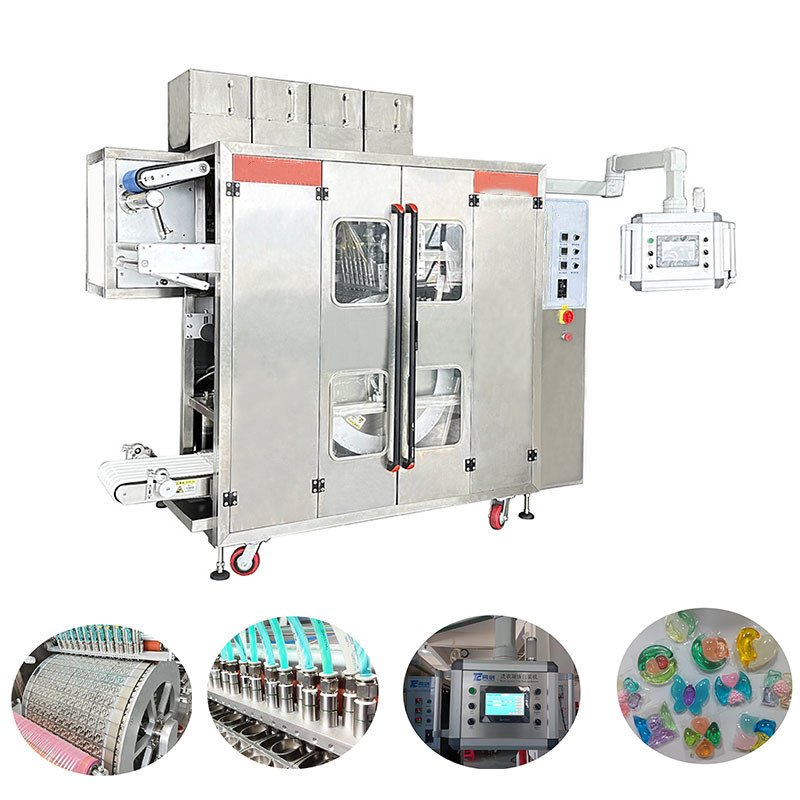
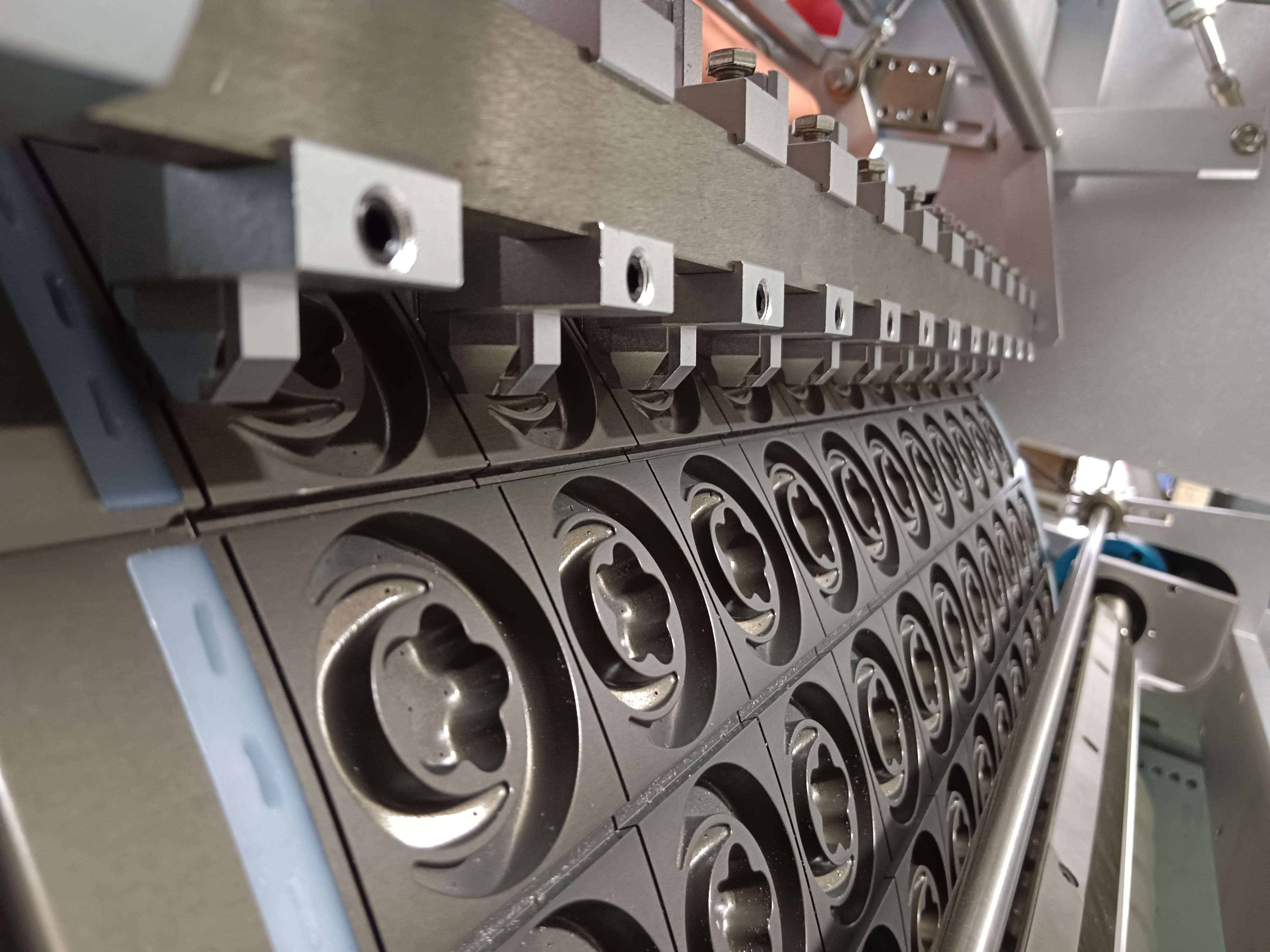
Behind the scenes, the manufacturing of these consumer goods requires high-precision technology. A modern laundry capsule filling machine can rapidly form, fill, and seal thousands of units per hour with remarkable accuracy. This equipment carefully handles the delicate film, ensuring a perfect seal that prevents leaks during transit while guaranteeing rapid dissolution in the washing machine.
As consumers demand more eco-friendly products, manufacturers are leaning heavily into PVA packaging. Unlike microplastics that accumulate in the ocean, high-quality water-soluble films decompose naturally in wastewater treatment facilities. Bacteria and microorganisms break the dissolved polymer chains down into simple water and carbon dioxide, leaving no toxic footprint.
Different industries require specific dissolving parameters based on their unique operational needs. The temperature of the water dictates how quickly and effectively the plastic film breaks down. Below is a comparison of typical dissolving profiles used across various sectors.
Film Type Category | Dissolving Temperature | Primary Use Case | Environmental Impact |
Cold Water Soluble | 20°C (68°F) | Consumer detergent pods | Biodegradable in municipal waste |
Warm Water Soluble | 45°C (113°F) | Agricultural chemicals | Non-toxic to soil and water |
Hot Water Soluble | 65°C (149°F) | Medical linen isolation | Breaks down safely in commercial drains |
Super Hot Soluble | 85°C (185°F) | Specialized industrial dyes | Leaves no chemical residue |
Transitioning to water-soluble containment systems is a strategic move that benefits your workforce, your bottom line, and the environment. By eliminating direct contact with hazardous materials—whether they are contaminated linens or toxic agricultural chemicals—you instantly elevate your organization's safety protocols.
Start by evaluating your current waste and laundry workflows. Identify areas where manual handling creates unnecessary risk or slows down productivity. Engaging with a specialized manufacturer of water-soluble plastics can provide you with custom solutions tailored to your specific temperature and durability requirements.
Take the initiative to upgrade your containment strategy today. Reach out to an industry expert to discuss material specifications, request product samples, and discover how seamless the integration of dissolving packaging can be for your operations.