- All
- Product Name
- Product Keyword
- Product Model
- Product Summary
- Product Description
- Multi Field Search
 English
 Views: 0 Author: Site Editor Publish Time: 2026-05-07 Origin: Site
Managing contaminated linens and protecting staff from hazardous materials has always presented significant challenges for facility managers. For decades, standard protocols involved multiple points of contact with soiled items, increasing the risk of cross-contamination. Workers faced constant exposure, and facilities struggled to maintain strict safety standards without compromising efficiency.
Recent advancements in material science have introduced highly effective alternatives to traditional plastics. Polyvinyl alcohol (PVA or PVOH) has emerged as a reliable resource for creating films and containers that dissolve completely in water. This innovation allows workers to handle potentially hazardous items without ever opening the outer container, fundamentally changing how facilities approach safety protocols.
Implementing these new materials provides dual benefits. Organizations can drastically reduce the risk of workplace infections while simultaneously cutting down on single-use plastic waste. As sustainability and worker safety become top priorities for modern enterprises, soluble materials are quickly moving from niche products to industry standards.
Understanding how to leverage these dissolvable solutions can help your organization protect its workforce, reduce its environmental footprint, and optimize daily operations across various departments.
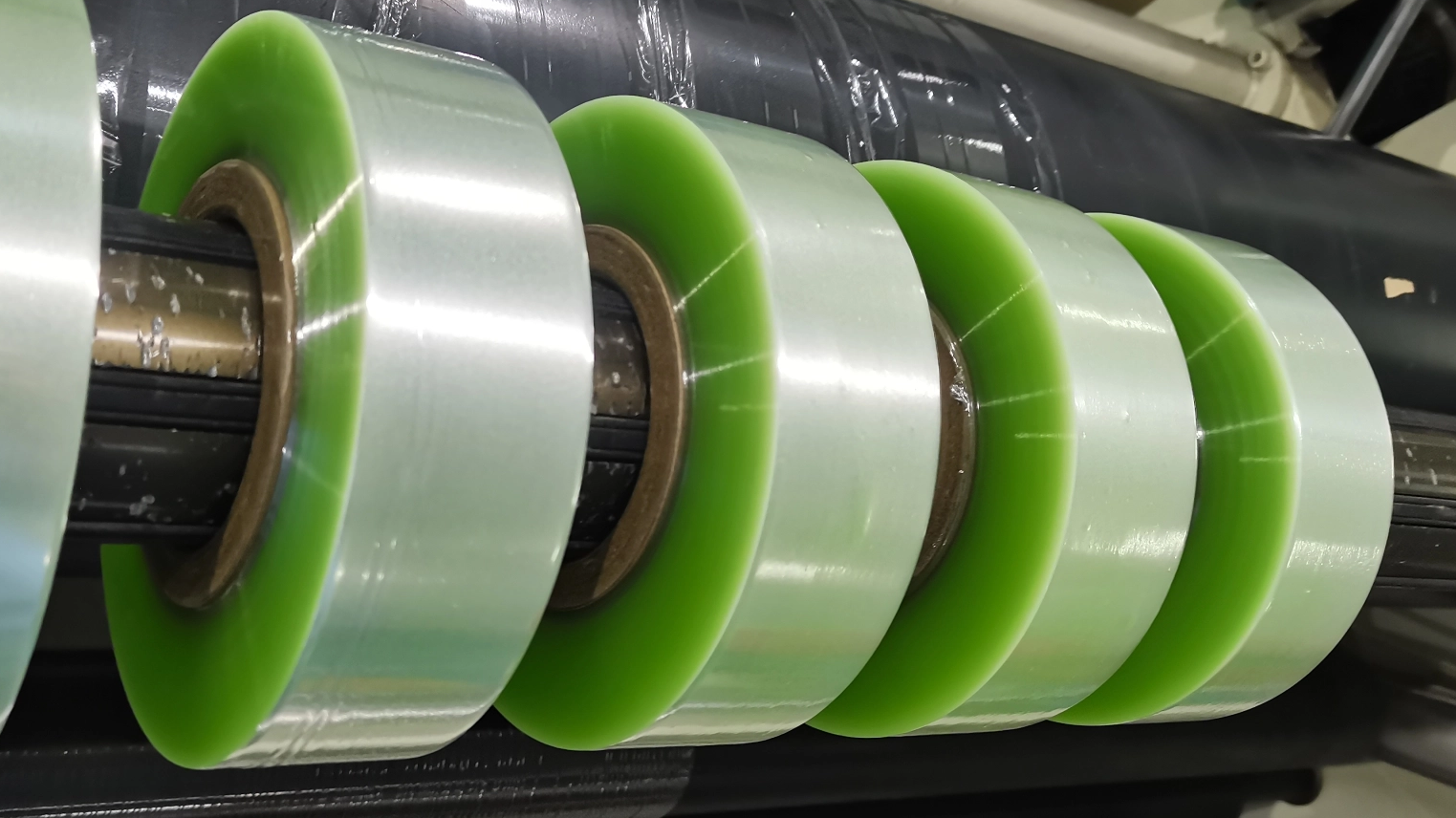
Healthcare facilities process thousands of pounds of linens every single day. Nurses and janitorial staff routinely handle bedsheets, gowns, and towels exposed to dangerous pathogens. Traditional sorting methods required workers to empty plastic sacks manually, releasing airborne bacteria and putting staff at direct risk of infection.
The introduction of water-soluble alternatives eliminated this dangerous step entirely. Staff can now place soiled linens directly into specially designed hospital laundry bags and transport them straight to the washing machine. The protective film remains sealed during transit and completely dissolves during the wash cycle.
This seamless process ensures that harmful microorganisms stay contained from the patient's room until the water destroys them. The material features superior air barrier performance, effectively preventing the diffusion of contaminants into the surrounding environment. Because the film is biodegradable and safe for marine life, facilities also reduce the massive volume of plastic waste previously sent to landfills or incinerators.
The benefits of dissolvable films extend far beyond the healthcare sector. Industrial sectors that manage toxic substances, pesticides, and potent dyes face similar challenges regarding worker exposure. Measuring and pouring hazardous powders often creates toxic dust that threatens respiratory health and contaminates workspaces.
To address these hazards, manufacturers now utilize advanced Chemical packaging made from PVA. Workers simply drop the entirely sealed pouch into the mixing tank. The outer casing melts away in the water, releasing the exact dose required for the mixture.
This method guarantees precise dosing and eliminates the need to clean contaminated measuring equipment. It prevents toxic spills and drastically reduces the amount of protective gear workers need to wear. By utilizing these dissolvable films, industrial plants improve their safety records and streamline their entire mixing process. The completely harmless residue left behind passes safely through standard water treatment systems, leaving no toxic trace.
To fully appreciate the impact of these new materials, it is helpful to compare them directly with traditional options. The table below outlines the core differences between standard plastics and advanced soluble films.
Feature | Standard Plastic Materials | Advanced Soluble Films (PVA) |
End-of-life disposal | Requires landfilling or incineration | Dissolves safely in water |
Worker exposure risk | High (requires opening/pouring) | Low (dropped directly into solutions) |
Environmental residue | Microplastics and permanent waste | Biodegradable organic compounds |
Marine toxicity | Harmful to marine ecosystems | Safe and digestible for marine life |
Primary functions | General storage and transport | Infection control and safe dosing |

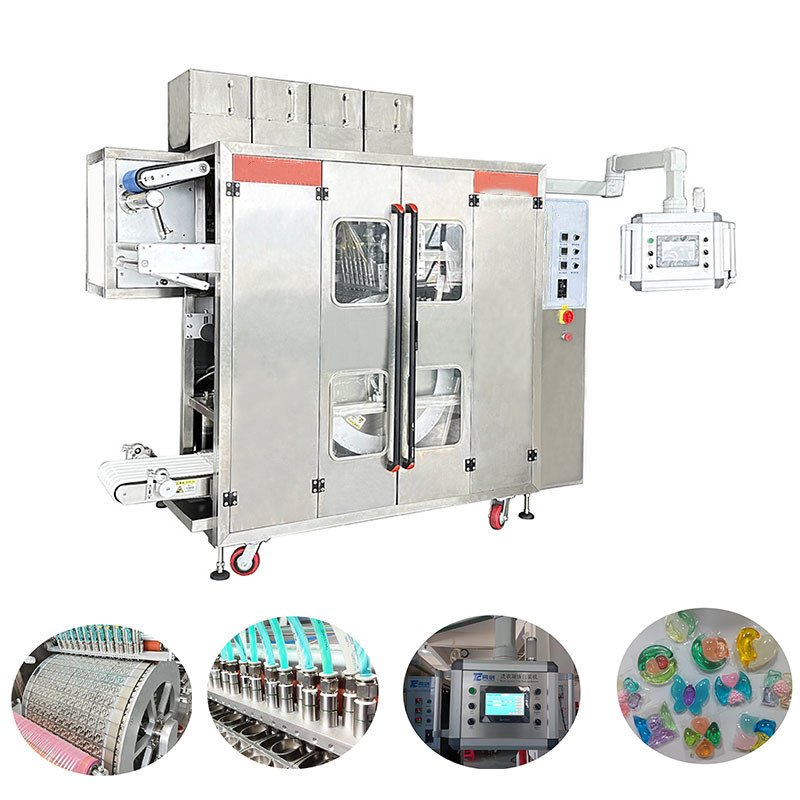
The consumer market has also embraced the convenience and sustainability of soluble materials. Walk down any supermarket aisle, and you will see shelves stocked with concentrated detergent pods. These popular products rely entirely on the unique properties of water-soluble films. They offer consumers a mess-free, perfectly measured cleaning experience while reducing the heavy plastic jugs associated with liquid detergents.
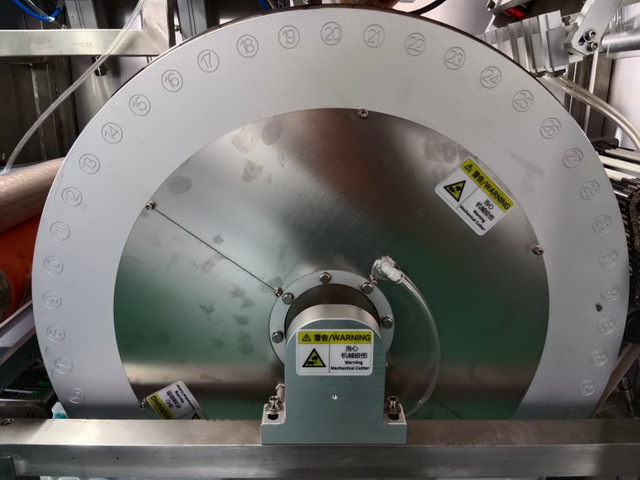
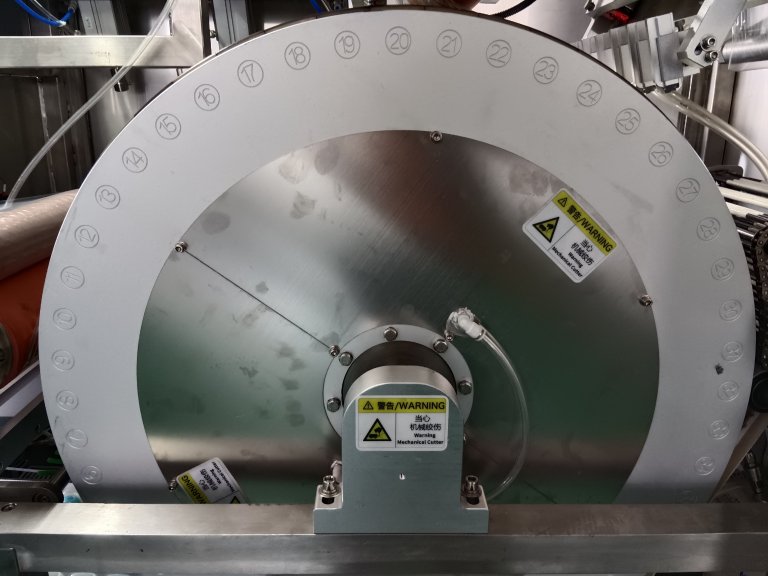
Producing these pods requires specialized equipment capable of handling delicate films and precise liquid or powder measurements. To meet rising consumer demand, packaging companies invest heavily in robust manufacturing technology. Upgrading to a modern laundry capsule filling machine allows producers to cut materials precisely, maintain high production speeds, and ensure every single pod seals flawlessly.
These sophisticated systems are designed for easy operation and minimal downtime. By adopting cutting-edge production equipment, consumer brands can scale their operations rapidly and maintain a competitive edge in the crowded household goods market.
Upgrading your material choices protects your most valuable asset: your employees. It also demonstrates a clear commitment to environmental stewardship. Transitioning to soluble films might seem complex, but the long-term gains in efficiency, safety, and waste reduction are undeniable.
To get started, evaluate your current waste management and infection control protocols. Identify areas where workers frequently handle contaminated or hazardous materials. Contact a specialized manufacturer to request samples of PVA films and test them within your existing workflows. By taking these proactive steps today, your organization can build a safer, cleaner, and more efficient operational model for the future.