
- All
- Product Name
- Product Keyword
- Product Model
- Product Summary
- Product Description
- Multi Field Search
 English
 Views: 0 Author: Site Editor Publish Time: 2026-06-22 Origin: Site
Quick answer:
A water soluble laundry bag for infection control lets healthcare staff seal contaminated linens, then toss the whole bag straight into the washing machine. The bag dissolves in water, so workers never touch soiled fabric. This simple step cuts the risk of cross-contamination and protects both staff and patients.
Infections spread fast in healthcare settings. One of the most overlooked culprits? Dirty laundry. Bed sheets, gowns, and towels can carry bacteria, viruses, and other harmful microorganisms. Every time a worker handles these items, there's a chance of passing germs from one place to another.
That's where dissolvable laundry bags come in. They've become a trusted tool in hospitals, care homes, and clinics around the world. In this post, you'll learn how these bags work, why they matter for safety, and how to choose the right ones for your facility.

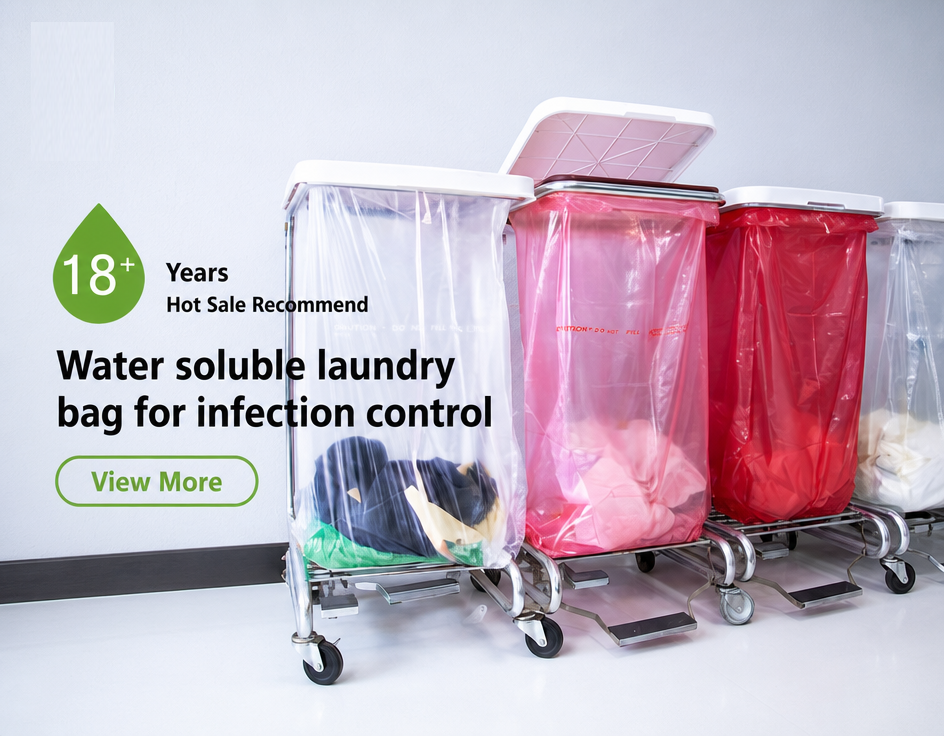
The science is straightforward. Staff place soiled or infected linens into the bag at the point of use—right by the patient's bed. The bag is sealed and carried to the laundry without anyone reopening it. Once inside the washing machine, hot water dissolves the bag completely, releasing the contents for cleaning.
This "no-touch" handling is the key benefit. Healthcare workers never come into direct contact with contaminated fabric. According to manufacturer Jiangmen Proudly, the water-soluble material also offers strong air barrier performance, which helps prevent harmful microorganisms from spreading while the bag is sealed.
Most bags are made from PVA (polyvinyl alcohol), a material that's safe, non-toxic, and biodegradable. Tests confirm a biodegradability rate of at least 90% within 180 days under composting conditions. That makes these bags a smart choice for facilities that care about both hygiene and the environment.
Many facilities now rely on these bags as part of their daily routine. Hospitals are the obvious example, but they're far from the only ones.
Care homes, nursing facilities, and hotels also use them to manage heavily soiled or potentially infectious items. Anywhere there's a risk of contamination, sealed hospital laundry bags offer a clear advantage. They're especially useful during outbreaks, when isolation linens must be kept separate from general laundry.
Here's a quick look at where these bags are commonly used and why:
Setting | Main Concern | Benefit of Dissolvable Bags |
|---|---|---|
Hospitals | Infectious linens, high patient turnover | No-touch handling, isolation of contaminated items |
Care & nursing homes | Soiled bedding, vulnerable residents | Reduced staff exposure, easier daily routines |
Hotels | Heavily stained linens, guest hygiene | Cleaner handling, professional standards |
Clinics & labs | Cross-contamination risk | Safe containment of potentially infected fabric |


Not all dissolvable bags are the same. The right choice depends on your facility's needs, so it helps to weigh a few key factors before you buy.
Dissolving temperature matters. Some bags dissolve in cold water, while others need hot water to break down. For infection control, many facilities prefer hot-water-soluble bags. This keeps the bag intact during storage and transport, then dissolves it during a hot wash cycle. Proudly notes that dissolving temperature and speed can be adjusted to suit different uses.
Look for bags made from safe, non-toxic PVA. The best options pass ecotoxicity and heavy metal tests, and the material should be harmless to people, animals, and plants. Certifications like ISO 9001 are a good sign of consistent quality.
A good bag stays strong while in use, then disappears when the job is done. This balance of strength and solubility is what makes a reliable product. Some bags also include a dissolvable strip or tie for easy sealing. If your team handles bulky or heavy loads, water soluble strip laundry bags can make sealing faster and more secure.
Quality varies a lot between manufacturers. A bag that dissolves too early can spill contaminated linens. One that dissolves too slowly may clog machines or leave residue. That's why working with an experienced supplier is so important.
Choose a manufacturer with a proven track record if reliability matters more than the lowest price. Jiangmen Proudly, for example, has focused on functional water-soluble film for 19 years and sells over 10,000 tons of film worldwide each year. A supplier with deep experience can also help you customize dissolving speed, bag size, and strength to fit your exact needs.
Dissolvable laundry bags are a small change that delivers a big impact. They protect staff from contaminated fabric, lower the risk of cross-contamination, and support greener operations through biodegradable materials. For any facility that handles soiled or infectious linens, they're worth serious consideration.
The next step is simple. Review your current laundry process, identify where contamination risks are highest, and talk to a trusted supplier about which bag type fits your needs. A short conversation today could lead to a safer, cleaner facility tomorrow.
Pricing depends on bag size, material thickness, and order volume. Bulk orders usually lower the per-unit cost. Contact a manufacturer directly for a quote based on your facility's specific needs.
Yes. Most are made from PVA, which is biodegradable and non-toxic. Tests show a biodegradability rate of at least 90% within 180 days under composting conditions, and the material is harmless to marine life and birds.
No, if you choose the right type. Hot-water-soluble bags stay intact at room temperature and only dissolve during a hot wash cycle. This keeps linens contained during storage and transport.
Yes. Many manufacturers offer custom options for dissolving temperature, bag size, and strength. Ask your supplier about adjustable features when you request a quote.
Any setting that handles soiled or infectious linens can benefit. This includes hospitals, care homes, nursing facilities, hotels, clinics, and labs—especially during disease outbreaks.