- All
- Product Name
- Product Keyword
- Product Model
- Product Summary
- Product Description
- Multi Field Search
 English
 Views: 0 Author: Site Editor Publish Time: 2026-06-09 Origin: Site
Quick answer:
Healthcare facilities use polyvinyl alcohol (PVOH) bags to isolate contaminated linens and prevent cross-infection. Because the material dissolves entirely during the hot water wash cycle, staff never touch soiled items. Choose this technology if protecting frontline workers from hazardous pathogens and reducing facility-wide contamination risks are your top priorities.
Managing contaminated linens remains one of the most critical challenges for modern healthcare facilities. Every day, nurses and sanitation staff handle thousands of bedsheets, gowns, and towels exposed to dangerous pathogens. When these textiles move from patient rooms to industrial washing facilities, the risk of cross-contamination spikes dramatically.
Implementing a strict infection control protocol requires reliable, specialized equipment. Standard plastic sorting solutions often fail because they require manual opening or transferring of contents before washing. This exposes laundry workers to airborne bacteria and direct contact with soiled items.
To solve this problem, forward-thinking administrators are switching to advanced material technologies. A Medical Water-Soluble Laundry Bag completely eliminates the need to handle contaminated textiles after they are sealed. Staff simply place the sealed package directly into the washing machine, securing the safety of everyone involved in the sanitation chain.

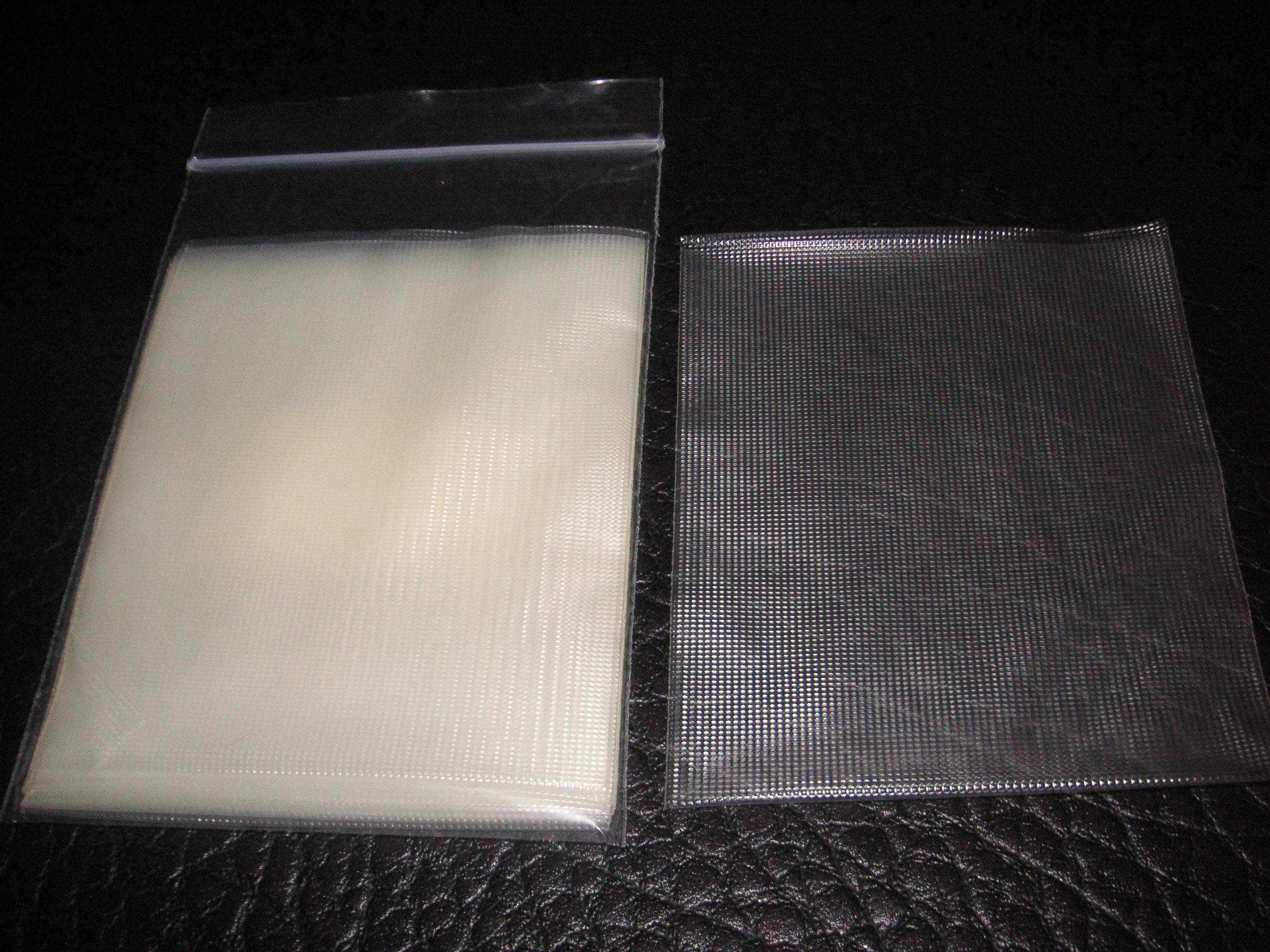
Healthcare environments operate under strict safety guidelines, yet linen transport often remains a vulnerable touchpoint. When clinical staff place soiled textiles into standard plastic bins, airborne pathogens can escape into the surrounding environment. Furthermore, when laundry facility workers eventually open these bins to sort the linens, they face direct exposure to bacteria, viruses, and bodily fluids.
Using secure hospital laundry bags designed specifically for infection control mitigates this danger. Because PVOH materials offer superior air barrier performance, they effectively prevent the diffusion of harmful microorganisms during transit. The structural integrity of the film ensures that the package remains sealed from the patient's bedside all the way into the industrial washing drum.
According to industry data from Jiangmen Proudly Water-soluble Plastic Co., Ltd. (established in 2004), high-quality PVOH film demonstrates excellent durability during dry handling. Staff can confidently transport heavy loads of wet or dry linens without fearing sudden tears or leaks.
The primary advantage of PVOH technology is its unique reaction to water and heat. Once the sealed package enters the washing machine, the film softens and dissolves completely. This leaves behind no plastic residue on the linens or inside the machine's plumbing system.
Administrators can evaluate the operational differences between standard plastics and PVOH materials by reviewing the data below:
Feature | Standard Plastic Packaging | PVOH Water-Soluble Packaging |
Worker Exposure | High (requires manual opening) | Zero (placed directly in washer) |
Pathogen Diffusion | Moderate (air escapes easily) | Low (superior air barrier) |
Machine Residue | High (can melt and damage drums) | None (dissolves entirely) |
Disposal Method | Landfill or specialized incineration | Biodegrades in wastewater |
This frictionless workflow drastically reduces processing times. Laundry staff no longer need to empty, sort, and separately dispose of contaminated plastic packaging.


Beyond immediate infection control, healthcare facilities face increasing pressure to adopt sustainable operational practices. Single-use plastics generate massive amounts of medical waste, which often ends up in landfills or requires expensive, high-emission incineration.
Switching to dissolvable laundry bags directly supports environmental sustainability goals. High-grade PVOH materials are completely safe, non-toxic, and harmless to plants and animals. Under standard sewage water conditions, the material achieves a biodegradability rate of at least 75% within 72 days. Under proper composting conditions, biodegradability reaches 90% within 180 days.
Because marine lives and birds can digest these broken-down polymers without harm, facilities drastically reduce their ecological footprint. Furthermore, trusted manufacturers holding ISO9001 certifications subject their PVOH products to strict ecotoxicity and hard metal tests to guarantee environmental safety.
Not all water-soluble films perform equally. When selecting a supplier for your healthcare facility, specific material properties determine the success of your infection control strategy.
First, verify the dissolving temperature. Healthcare washing cycles typically run at high temperatures to kill bacteria, so the PVOH film must disintegrate at specific thermal thresholds (often starting around 40°C or higher, depending on the grade). Second, look for verified formaldehyde absorption capabilities. Specialized PVOH films can absorb free formaldehyde, adding another layer of safety for patients and staff. Finally, confirm that the supplier provides a strong, tear-resistant gauge suitable for heavy, damp commercial linens.
While PVOH packaging carries a higher upfront unit cost than standard polyethylene, it lowers overall operational expenses. Facilities save money by reducing hazardous waste disposal fees, accelerating laundry processing times, and minimizing costly workplace exposure incidents.
Manufacturers customize PVOH films to dissolve at specific temperatures, typically ranging from cold water (25°C) to hot water (65°C and above). Healthcare facilities usually utilize hot-water soluble grades to match their thermal disinfection washing cycles.
No. High-quality PVOH is a non-toxic, biodegradable polymer. Once dissolved, the material breaks down into water and carbon dioxide with the help of natural bacterial microorganisms present in standard wastewater treatment plants.
Keep unused PVOH products in a dry, temperature-controlled environment. Because the material reacts to moisture, storing the packages in high-humidity areas can cause them to stick together or degrade prematurely. Always keep them sealed in their original outer packaging until ready for use.
Protecting frontline workers and reducing facility-wide contamination requires proactive investments in better technology. By replacing traditional plastic bins with advanced PVOH solutions, healthcare administrators can eliminate hazardous touchpoints in the laundry cycle while supporting broader sustainability goals.
Begin your facility's upgrade by auditing your current linen management protocols. Identify where staff experience the highest risk of exposure, and run a pilot program using water-soluble technology in your most critical isolation wards.