- All
- Product Name
- Product Keyword
- Product Model
- Product Summary
- Product Description
- Multi Field Search
 English
 Views: 0 Author: Site Editor Publish Time: 2026-06-11 Origin: Site
Quick answer:
A dissolving laundry container is a polyvinyl alcohol (PVA) film product used to isolate contaminated linens in healthcare settings. It dissolves completely during the washing cycle, eliminating the need for staff to handle soiled items directly. Choose this specialized packaging if minimizing cross-contamination and protecting frontline workers matters more than using standard, non-dissolving plastics.
Managing contaminated linens is a critical operational challenge for modern healthcare facilities. Every day, clinics, care homes, and hospitals process thousands of pounds of soiled bedding and uniforms. Handling these materials exposes facility staff to harmful microorganisms, making robust infection control protocols absolutely vital.
Standard plastic containers often require staff to manually open and empty the contents into washing machines, creating unnecessary exposure risks. Facilities need a smarter approach that bridges the gap between secure transportation and safe processing. Polyvinyl alcohol (PVA) film technology offers a highly effective alternative that actively protects workers while streamlining daily operations.
By upgrading your facility's protocols to include advanced dissolving packaging, you can drastically reduce the transmission of pathogens. This guide details exactly how these specialized solutions function, why they outperform traditional materials, and how to implement them effectively in your organization.
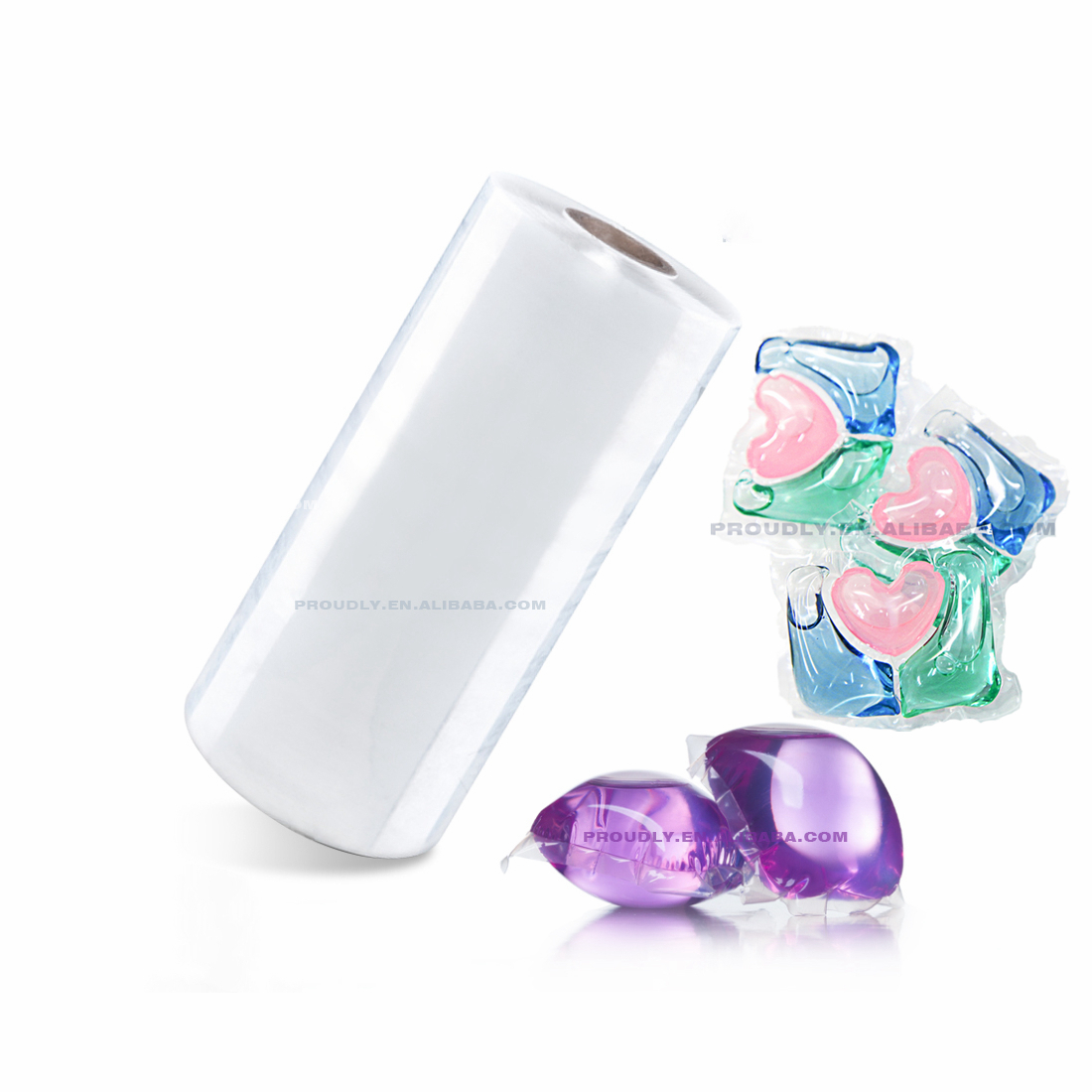
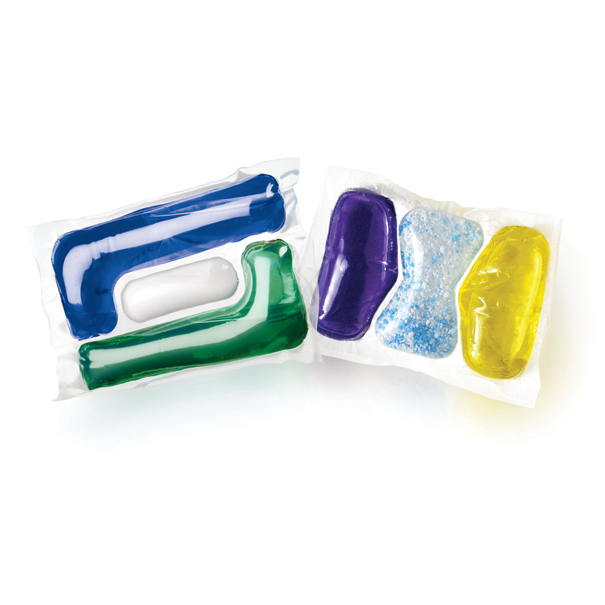
Healthcare environments demand rigorous sanitation standards to protect both patients and staff. Contaminated textiles carry significant risks, harboring everything from common bacteria to severe pathogens. Traditional handling methods introduce a weak link in the sanitation chain when staff must transfer soiled items into the washing equipment.
Using a specialized water soluble laundry bag for infection control solves this problem entirely. Staff simply place the soiled linens into the container, seal it securely, and transport it directly to the laundry facility. The entire sealed unit goes straight into the washing machine. During the wash cycle, the protective film dissolves completely in the water, releasing the linens for thorough cleaning without any human contact.
According to industry standards, minimizing direct contact with contaminated materials is the most effective way to prevent the spread of hospital-acquired infections (HAIs). The dissolving film acts as a superior air barrier, locking in odors and preventing the aerosolization of harmful microorganisms during transit.
Understanding the technical differences between various packaging materials helps procurement teams make informed decisions. PVA film offers distinct advantages over traditional polyethylene (PE) plastics, particularly regarding environmental impact and functional safety.
Below is a detailed comparison of standard material properties.
Feature | PVA Material | Traditional PE Material |
Composition | Polyvinyl alcohol | Polyethylene |
Dissolvability | Fully dissolves in water | Does not dissolve |
Worker Exposure | Zero contact during washing | Manual emptying required |
Environmental Impact | Biodegradable, non-toxic | Contributes to landfill waste |
Barrier Properties | High odor and bacteria barrier | Low odor barrier |
Disposal Method | Safely washes down the drain | Requires physical disposal |
Choose PVA solutions if your facility prioritizes worker safety and environmental sustainability. While PE materials might have a lower upfront cost, the hidden costs associated with workplace exposure and waste disposal make dissolving technology the superior long-term investment.
Transitioning your linen management protocols requires careful planning and staff training. Begin by identifying the departments that handle the highest volume of heavily soiled textiles, such as isolation wards, surgical theaters, and emergency rooms. Introduce the new protocols in these high-risk areas first to maximize your immediate safety benefits.
When sourcing hospital laundry bags, ensure you select the correct dissolving temperature for your specific washing equipment. These products typically come in cold, warm, and hot water soluble variants. Selecting the appropriate temperature grade ensures the film remains intact during storage and transport, yet dissolves rapidly and completely once the wash cycle begins.
Staff training should focus on proper sealing techniques and handling procedures. Workers must understand that the containers should not be exposed to moisture or wet hands during the filling process, as this can trigger premature dissolution. Clear signage and step-by-step visual guides in utility rooms will help reinforce these new procedures and ensure seamless adoption across your teams.
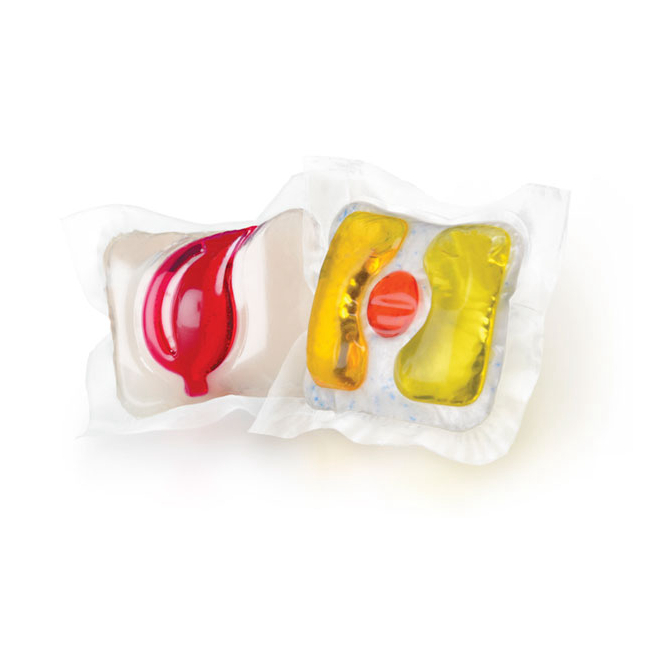
Finding a reliable manufacturing partner is essential for maintaining a consistent supply of high-quality sanitation products. Established in 2004, Jiangmen Proudly Water-soluble Plastic Co., Ltd. has spent over 19 years specializing in the research, development, and production of functional, biodegradable materials. Proudly stands as the leading manufacturer of PVA film in China, uniquely utilizing both blow extrusion and solution cast processes.
With an annual global sales volume exceeding 10,000 tons of film, the company demonstrates exceptional manufacturing capacity and quality control. Every Medical Water-Soluble Laundry Bag produced by Proudly undergoes rigorous testing to meet strict safety and environmental standards. The material is certified safe, non-toxic, and harmless to people, animals, and marine life, boasting a biodegradability rate of over 90% within 180 days under composting conditions.
Partnering with an ISO9001-certified manufacturer ensures your healthcare facility receives durable, reliable products that perform exactly as required. By integrating these advanced materials into your daily operations, you actively protect your workforce while supporting broader environmental sustainability goals.
Protecting frontline healthcare workers requires continuous innovation and a commitment to adopting best-in-class technologies. Upgrading your linen management system is a highly effective, immediate step toward creating a safer clinical environment. By eliminating manual sorting and handling of contaminated textiles, facilities can drastically reduce cross-contamination incidents and improve overall operational efficiency.
Evaluate your current sanitation protocols today and identify areas where dissolving film technology can replace outdated plastic alternatives. Reach out to procurement specialists to request samples and begin testing these solutions within your highest-risk departments.
No. When used with the correct water temperature and wash cycle settings, the PVA film dissolves completely. It transforms into a harmless aqueous solution that washes away down the drain, leaving no sticky residue or plastic fragments on the textiles or inside the washing machine.
PVA film is highly sensitive to moisture. If the exterior is exposed to significant water or handled with wet hands, it may begin to soften or dissolve prematurely. Staff must store unused inventory in a dry environment and handle the items with dry gloves or hands to maintain structural integrity.
Yes. Polyvinyl alcohol is a biodegradable, non-toxic polymer. Once it dissolves in water and enters the sewage system, microorganisms naturally break it down into water and carbon dioxide. Proudly's materials pass strict ecotoxicity tests and are harmless to marine life.
Yes, they are fully compatible with standard commercial washing equipment. You simply need to match the dissolving temperature of the specific product (e.g., cold, warm, or hot water soluble) to the thermal settings of your facility's standard washing programs