- All
- Product Name
- Product Keyword
- Product Model
- Product Summary
- Product Description
- Multi Field Search
 English
 Views: 0 Author: Site Editor Publish Time: 2025-05-21 Origin: Site
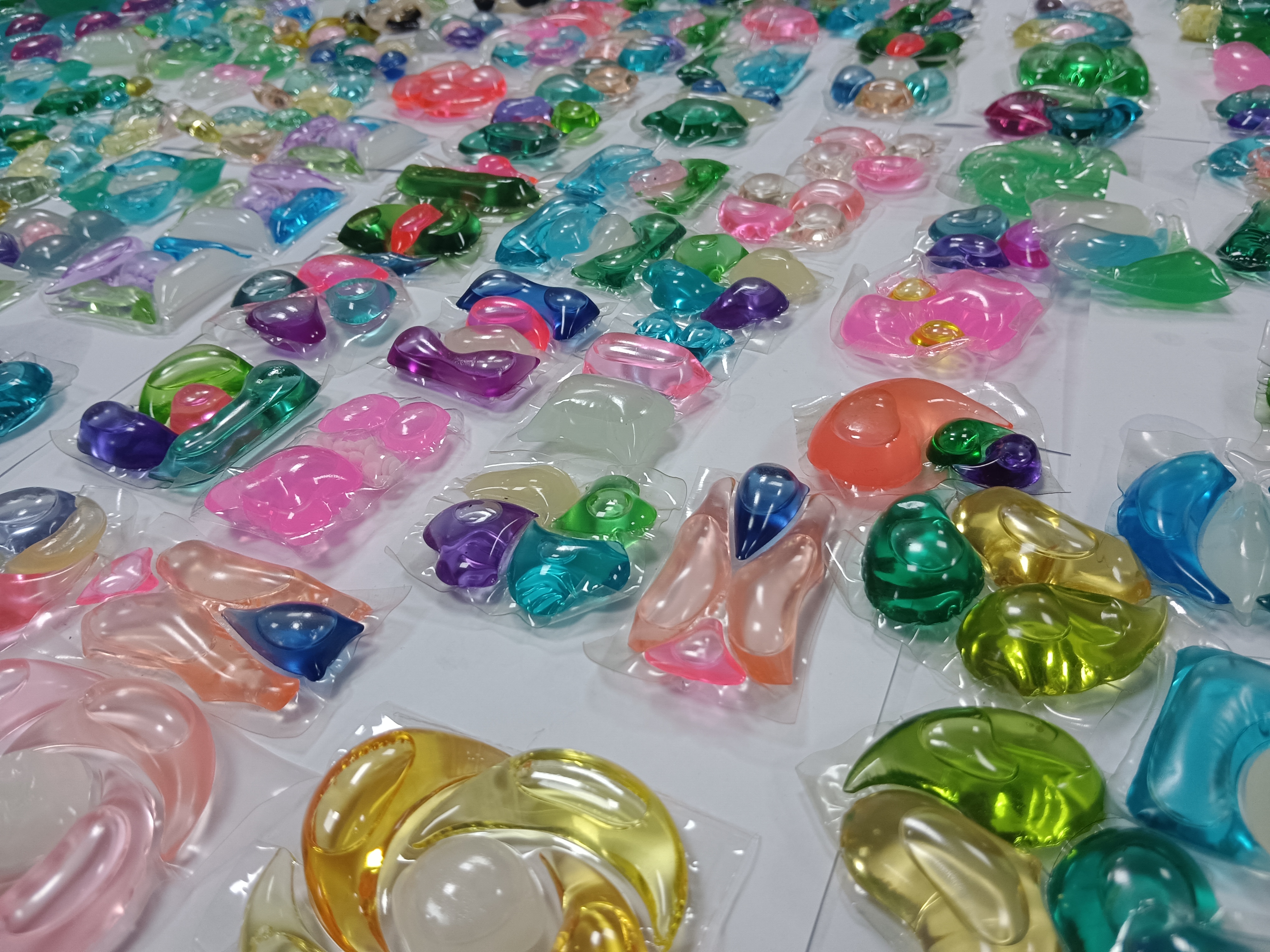
Polyvinyl alcohol (PVA film) has become a widely used material in the packaging of household cleaning products, particularly in dishwasher and laundry detergent pods. Its water-soluble and biodegradable nature initially positioned it as an eco-friendly solution. However, growing environmental concerns and questions about its true biodegradability have prompted the search for more sustainable alternatives.
This comprehensive guide examines viable alternatives to PVA films in dishwasher detergents, evaluates their environmental impact, and explores innovation in packaging. We’ll also discuss related topics such as the use of laundry pods and laundry detergent pods, including a frequently asked questions (FAQ) section and a final recommendation of Proudly — a company dedicated to developing sustainable, high-quality cleaning solutions.
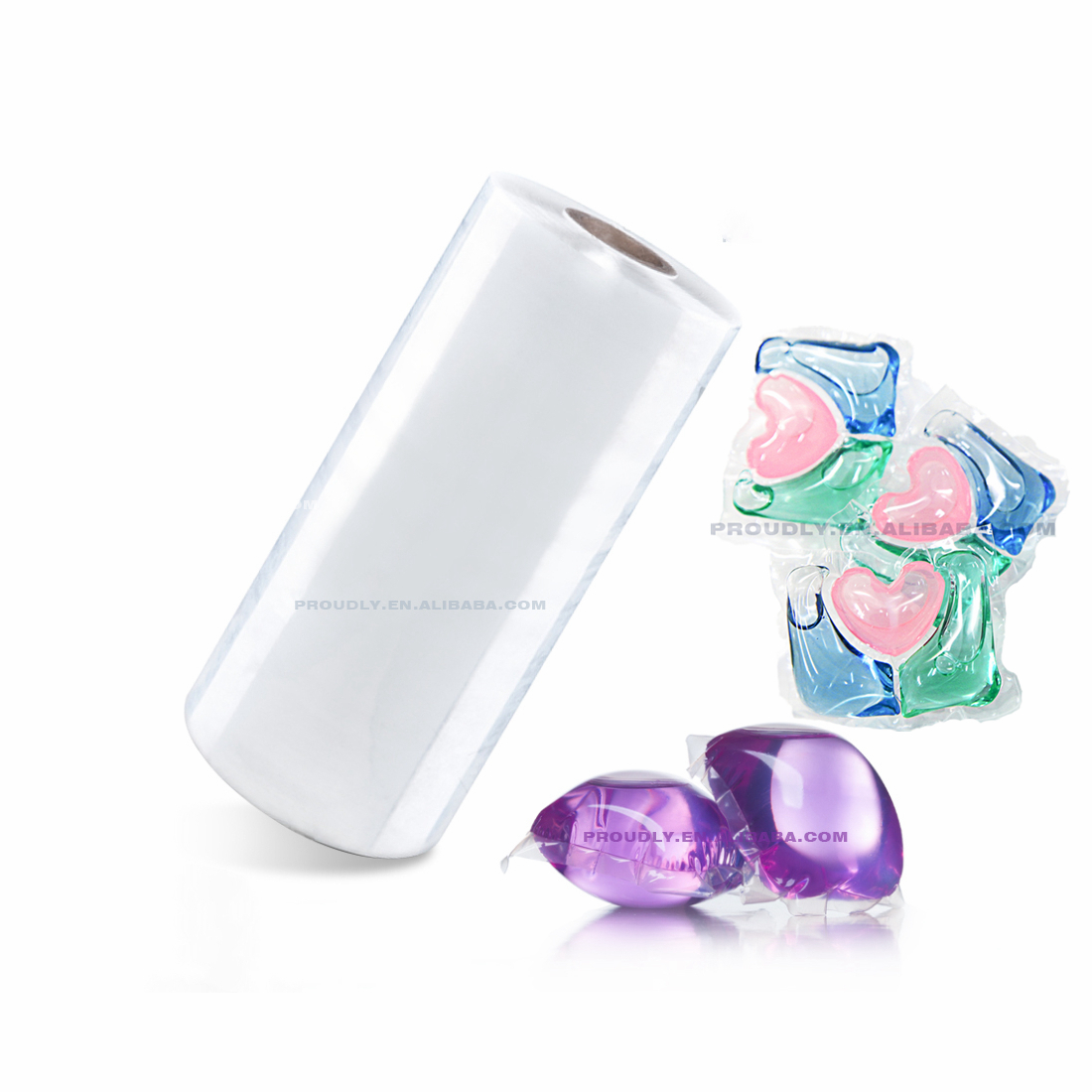
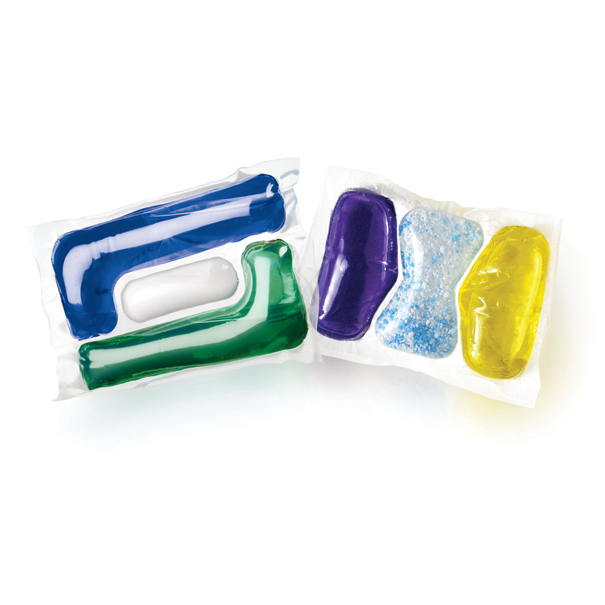
PVA film is a synthetic polymer derived from polyvinyl acetate. Its main advantage is its solubility in water, making it an ideal component for dishwasher detergents, laundry pods, and laundry detergent pods. It ensures precise dosing, reduces product waste, and enhances user convenience. When added to water, it dissolves, releasing the cleaning agents inside.
| Feature | Benefit |
|---|---|
| Water-Soluble | Dissolves easily in dishwasher/laundry cycles |
| Transparent | Aesthetic appeal and visibility of contents |
| Biodegradable (claimed) | Initially marketed as eco-friendly |
| Cost-effective | Low-cost manufacturing and efficient packaging |
However, research has shown that PVA doesn’t completely biodegrade in all environments, especially in cold water or in wastewater treatment systems that lack specific microorganisms. This partial degradation results in microplastics or persistent residues, contributing to environmental pollution.
While the initial adoption of PVA film was a step toward convenience and supposed sustainability, multiple factors have prompted scientists and manufacturers to seek alternatives:
Incomplete Biodegradation: PVA doesn’t fully degrade in many municipal wastewater systems.
Marine Pollution: Residual microplastics may accumulate in oceans and water systems.
Consumer Demand: Eco-conscious customers now prefer natural, plastic-free packaging.
Regulatory Pressure: Global environmental policies are pushing for truly biodegradable and compostable materials.
Algae-derived biopolymers are gaining traction as fully biodegradable and renewable materials. Companies are using algae to create thin films that dissolve in water and leave no harmful residues.
100% plant-based
Biodegradable in marine and freshwater environments
Renewable and abundant raw material
Higher cost of production
May require refrigeration to preserve shelf life
Cellulose, derived from plant fibers, is a promising alternative to PVA film. It's natural, compostable, and widely available.
Fully biodegradable
Non-toxic and compostable
Transparent and heat-sealable
Lower moisture resistance than synthetic films
May need special handling during transportation
Starch-based films are made from corn, potato, or tapioca starch. They are edible, compostable, and highly biodegradable.
Cheap and biodegradable
Derived from agricultural waste
Safe for marine environments
Lower tensile strength compared to PVA
Limited resistance to humidity
Chitosan is derived from the exoskeletons of crustaceans and is being explored as a film-forming agent for pods.
Antimicrobial properties
Biodegradable and renewable
Edible and safe for the environment
Sourced from animals – not vegan-friendly
Higher cost
PLA is a bio-based polyester derived from corn starch or sugarcane and is compostable under industrial conditions.
Industrially compostable
Renewable resource
Offers good moisture resistance
Requires industrial composting conditions (not home-compostable)
Potentially brittle at low temperatures
| Property | PVA Film | Algae Film | Cellulose Film | Starch Film | Chitosan Film | PLA Film |
|---|---|---|---|---|---|---|
| Biodegradability | Partial | Full (Marine) | Full | Full | Full | Industrial only |
| Source Material | Synthetic | Natural (Algae) | Plants | Corn, Potato | Shellfish | Corn/Sugarcane |
| Cost | Low | Moderate-High | Moderate | Low | High | Moderate |
| Moisture Resistance | High | Moderate | Moderate | Low | Moderate | High |
| Transparency | High | Moderate | High | Low | Low | High |
| Environmental Impact | Medium | Low | Low | Low | Low | Medium |
While alternatives to PVA film are still being explored and tested, some are already being incorporated into products like laundry pods and dishwasher detergent pods:
Algae and cellulose films have shown promising results in single-dose packaging for both dishwashing and laundry applications.
Starch-based coatings are being used to wrap laundry tablets and powdered dishwasher detergent.
PLA films are ideal for outer packaging, where moisture resistance is needed but solubility is not.
Brands like Proudly are at the forefront of this movement, exploring how these biodegradable films can be introduced in real-world cleaning products without sacrificing quality or convenience.
Truly biodegradable: They degrade in natural environments without leaving harmful residues.
Compostable: Many can be composted at home or in industrial facilities.
Plant-based or renewable: They reduce dependence on fossil fuels and synthetic chemicals.
This aligns with the growing public interest in zero-waste living, ocean-safe products, and plastic-free packaging.
PVA offers water solubility and ease of manufacturing at a low cost, making it popular among manufacturers. Its claimed biodegradability under specific conditions helped it gain a green reputation. However, increasing awareness of its environmental limitations is pushing innovation.
Not necessarily harmful in all cases, but concerns arise when PVA residues escape into waterways without complete degradation, potentially affecting aquatic ecosystems. Environmentally conscious consumers should look for products using biodegradable alternatives.
Yes, Proudly is one such brand focused on using natural and safe alternatives in its packaging and product design. They are committed to reducing plastic pollution and creating a healthier planet.
Some alternatives like cellulose and starch-based films can be composted at home. However, others like PLA require industrial composting facilities to break down properly.
Yes, most plant-based and biodegradable films are hypoallergenic and non-toxic, making them ideal for people with skin sensitivities.
Proudly is a brand dedicated to delivering eco-friendly and effective cleaning solutions. From formulation to packaging, they are actively replacing PVA films with biodegradable and marine-safe materials.

Development of cellulose-based laundry detergent pods
Use of starch films in dishwasher detergent wrappers
Elimination of single-use plastics from product packaging
Research partnerships with biopolymer developers
Environmentally responsible formulations
Innovative packaging without harmful microplastics
Customer-focused product safety and performance
Email: proudly@proudly.com.cn
Phone: +86-13802609114
Let your choice of household products reflect your commitment to a cleaner and greener planet.
PVA film has undoubtedly revolutionized the way we use dishwasher and laundry detergent pods, but its long-term environmental implications can no longer be ignored. Fortunately, natural, biodegradable alternatives offer a viable path forward. Materials like cellulose, algae, starch, and chitosan are reshaping how brands package their products.
Consumers have more power than ever to drive change. By choosing brands like Proudly, you not only ensure clean dishes and laundry but also contribute to a cleaner Earth.
Say no to microplastics — and yes to sustainable innovation.