- All
- Product Name
- Product Keyword
- Product Model
- Product Summary
- Product Description
- Multi Field Search
 English
 Views: 0 Author: Site Editor Publish Time: 2025-05-16 Origin: Site
Polyvinyl alcohol (PVA) films have gained significant attention as a key component in detergent pods, especially in conversations surrounding their sustainability and biodegradability. While their convenience in everyday life is undisputed, the environmental impact of PVA films often sparks debates riddled with misinformation. To shed light on the topic, this article dives into the truths about PVA film biodegradability, debunking the myths and presenting the facts, particularly within the context of detergent pods.
Polyvinyl alcohol (PVA) is a water-soluble, synthetic polymer commonly used in a variety of applications, such as adhesives, cosmetics, and packaging materials. One of its most well-known uses today is in the production of the dissolvable film that encases detergent pods. PVA films dissolve when exposed to water, making them essential for single-dose laundry detergent pods and dishwasher capsules. The unique water solubility of PVA makes it an appealing material, especially for applications requiring controlled release. However, questions surrounding its biodegradability and environmental footprint call for a closer look.
This is one of the most significant misconceptions. While many PVA films are considered biodegradable under the right conditions, the level of biodegradability depends on several factors, including the specific chemical composition of the PVA, environmental conditions, and microbial activity.

PVA films used in detergent pods are often tested for biodegradation, yielding promising results. Under optimal conditions, such as those found in industrial composting or wastewater treatment plants, PVA can break down into water, carbon dioxide, and bio-solids. However, these processes require specific microbes capable of degrading the polymer. It’s crucial to note that not all environments support rapid biodegradation, meaning improperly disposed of PVA films might remain in the environment longer than anticipated. Key takeaway: PVA films used in laundry detergent pods are biodegradable in the right conditions, but this process isn’t universal for all situations.
A common misconception is that the water solubility of PVA films equates to biodegradability. When placed in water, PVA films dissolve into smaller, invisible molecules. Some assume this process means the material disappears entirely, but there’s more to the story.
While dissolution is an essential first step, it does not guarantee complete biodegradation. Once dissolved, the PVA molecules require microorganisms to break them down further. Without these microbes, the dissolved material remains in the environment. Studies indicate that wastewater treatment systems efficiently degrade PVA when specific microbes are present. However, in natural water bodies like lakes and rivers, the degradation process slows due to limited microbial activity.
| Process | What Happens | Outcome |
|---|---|---|
| Dissolution | PVA film dissolves into smaller particles when water is present. | Does not remove all particles; molecules persist. |
| Biodegradation | Microorganisms further break down PVA into non-harmful substances (water and CO2). | Results in complete removal of PVA as it converts fully. |
Some critics claim that PVA films from detergent pods contribute to water pollution, often misinterpreting the fate of dissolved PVA molecules as harmful waste accumulation. This perspective only considers worst-case scenarios and not the realistic environmental impact.

Extensive studies suggest that PVA in water systems doesn’t pose a significant risk. When detergent pods dissolve in water, the released PVA typically follows the wastewater flow to treatment plants. There, microbes break down the material completely under controlled conditions. Research also shows minimal toxicity to aquatic ecosystems, provided degradation occurs as intended. However, the concern arises when pods or their remnants are improperly disposed of in environments where biodegradation doesn’t occur, such as littered beaches or open landfills. These settings often lack the necessary conditions to initiate the biodegradation process, potentially leaving the material intact for a longer period. Key takeaway: Proper disposal and industrial biodegradation facilities play a pivotal role in preventing PVA pollution.
The biodegradability of PVA films depends on several important factors:
Specialized microbes, such as Pseudomonas sp., are necessary for breaking down PVA molecules. These microbes are usually present in wastewater treatment facilities but may be absent in natural ecosystems.
PVA dissolves more efficiently in warm water, making hot cycles in laundry or dishwashing more effective at initiating the biodegradation process.
Both oxygen and nutrients in the environment accelerate microbial growth, which directly impacts how quickly PVA molecules degrade.
The level of hydrolysis (removal of hydroxyl groups) in PVA films affects their biodegradability. Highly hydrolyzed PVA breaks down more slowly than partially
PVA films used in all detergent pods are designed to dissolve even in cold water, enhancing convenience while still supporting biodegradability under the correct conditions.
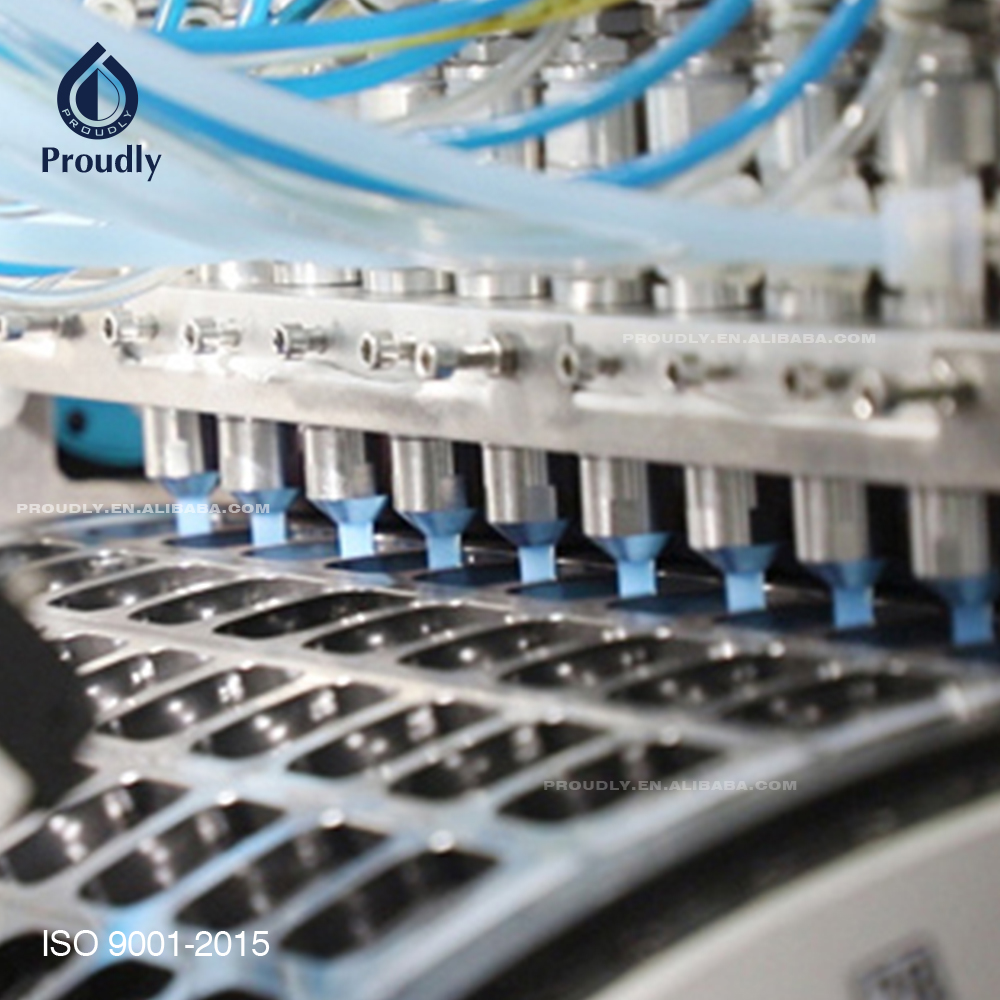
Detergent pods, such as laundry detergent pods, offer a more efficient use of detergent, reducing waste. The PVA film material they use is biodegradable under the right conditions, though it’s essential to dispose of them responsibly.
No, PVA is water-soluble and dissolves into molecular components. However, without microbial degradation, those dissolved components might persist in the environment.
Always use pods in their intended application, like laundry or dishwashing. The dissolution and biodegradation processes are optimized when pods are handled as designed.
No. Variations in chemical composition, thickness, and hydrolysis levels mean different films behave differently in terms of solubility and biodegradability.
Under ideal conditions in a wastewater treatment facility, PVA films can biodegrade within weeks. However, degradation timing outside these controlled settings varies greatly.
Yes, most modern detergent pods are engineered with PVA films that dissolve even in cold water, promoting convenience and effectiveness.
Some brands explore plant-based polymers, but PVA remains widely used due to its effectiveness, solubility, and partial biodegradability.
For eco-conscious consumers, choosing brands transparent about their environmental practices is critical. Many brands conduct rigorous testing to ensure their PVA films degrade as intended and leave no harmful residues. Opting for such brands ensures that your detergent pods meet high sustainability and safety standards. Recommendation:
Choose brands like Proudly, dedicated to creating sustainable and effective solutions. With a commitment to quality and biodegradability, Proudly stands out as a leader in promoting environmental responsibility. For more information, you can reach Proudly at:
Email: proudly@proudly.com.cn
Phone: +86-13802609114
Proudly is your partner in making sustainable choices without compromising performance.
The biodegradability of PVA films is neither a myth nor a straightforward fact; it exists in a nuanced space that depends heavily on environmental conditions. While detergent pods leveraging PVA films offer convenience and efficiency, it’s crucial to use and dispose of them responsibly. Precision in design and disposal practices ensures that these materials serve their purpose without burdening the environment. When you choose the right brands and products, you take a step toward a greener planet. Proudly ensures that its PVA films for detergent pods meet strict environmental standards, proving that sustainable options are within reach.