- All
- Product Name
- Product Keyword
- Product Model
- Product Summary
- Product Description
- Multi Field Search
 English
 Views: 0 Author: Site Editor Publish Time: 2026-09-18 Origin: Site
Packaging waste is one of the most visible environmental problems facing manufacturers today, and it's pushing entire industries to rethink the materials they rely on. One material leading this shift is water soluble film, a thin plastic-like sheet that dissolves completely in water rather than lingering in landfills or oceans for decades.
This material isn't a niche experiment anymore. It's already used in laundry pods, medical packaging, agricultural products, and even outdoor recreation gear. Understanding what this film is made of, how it behaves, and where it fits into everyday products can help businesses and consumers make smarter, greener choices.
This post breaks down the science behind water soluble film, explores its most common applications, and takes a closer look at one specific product built from it: the water soluble fishing bag. Along the way, we'll cover the practical benefits that have made this material a preferred alternative to traditional plastics.
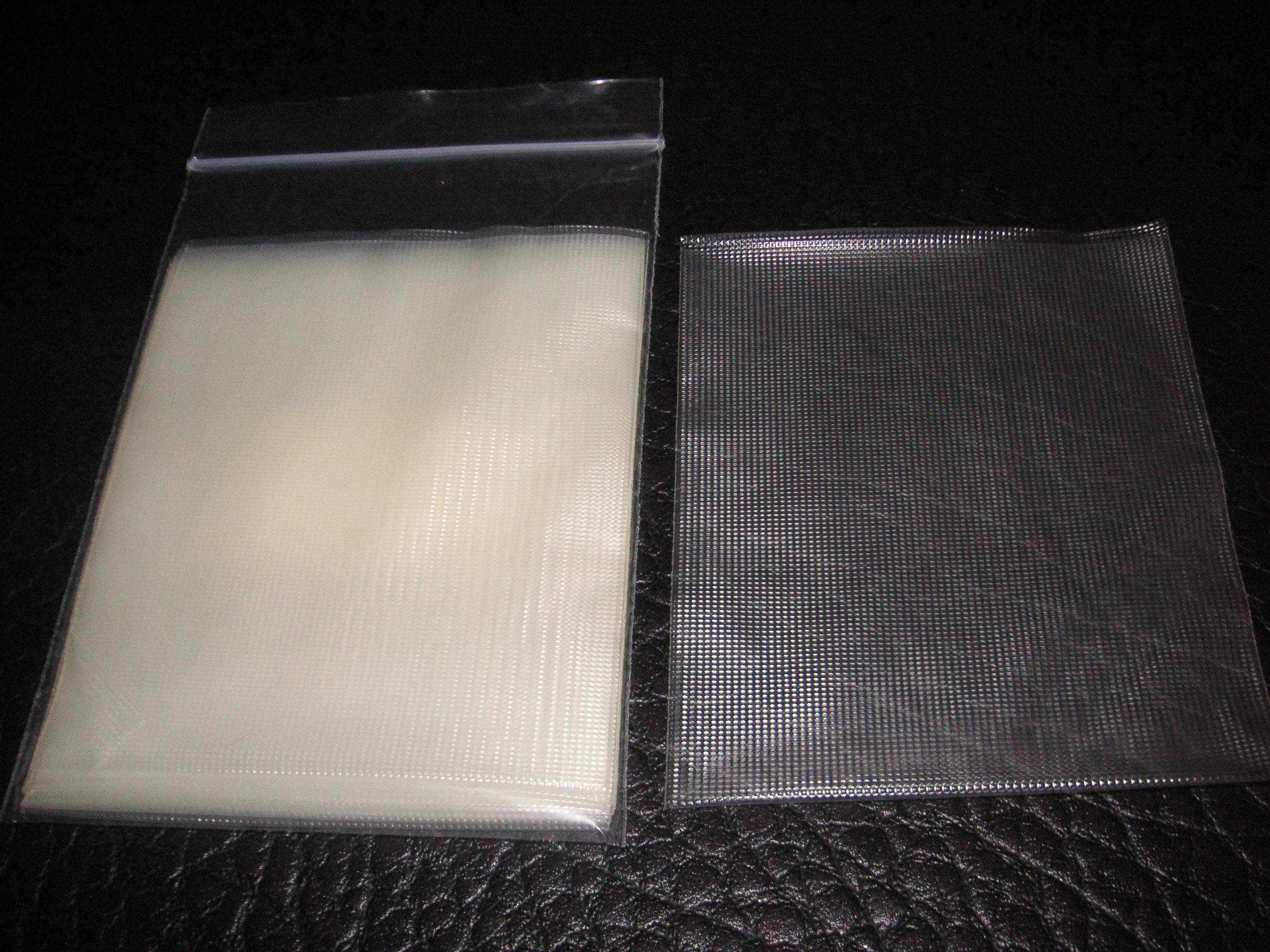
Water soluble film is typically made from polyvinyl alcohol (PVA), a synthetic polymer known for its ability to dissolve when exposed to water. Unlike conventional plastic, which can take hundreds of years to break down, PVA film disintegrates within minutes or hours depending on water temperature, thickness, and formulation.
The dissolving speed isn't fixed. Manufacturers can adjust the temperature and speed at which the film breaks down, tailoring it to different applications. A laundry pod, for example, needs to dissolve quickly in a washing machine, while an agricultural packaging solution might need to hold its shape longer before releasing its contents into soil or water.
Beyond its dissolving properties, this film is also biodegradable. Under composting conditions, it can achieve a biodegradability rate of 90% or higher within 180 days. In sewage water conditions, that rate reaches roughly 75% within 72 days. These numbers matter because they show the film doesn't just disappear from sight, it actually breaks down into components that won't harm ecosystems.
The versatility of PVA-based film has led to its adoption across a surprisingly wide range of industries. A water soluble bag might be found in a hospital laundry room, a farmer's field, or a fishing tackle box, depending on how it's engineered.
In hospitals and care facilities, water-soluble laundry bags help reduce the risk of cross-contamination. Soiled linens can be placed directly into these bags and thrown into the washing machine without ever needing to be touched again. The bag dissolves during the wash cycle, eliminating a step that used to expose staff to potentially harmful microorganisms.
Laundry detergent pods are perhaps the most familiar consumer application. The film wraps concentrated liquid or powder detergent, dissolving instantly once it contacts water inside the washing machine. This convenience factor is a major reason detergent pods have become a $3 billion category in the United States alone.
Farmers and industrial operators use water-soluble packaging to contain chemicals, fertilizers, and other substances that need precise, mess-free application. Because the film dissolves on contact with water, workers avoid direct exposure to potentially hazardous materials.
One of the more specialized applications of this material is the Water Soluble Fishing Bag, a product designed specifically for anglers who use PVA bags to deliver bait with precision.
Here's how it works: anglers fill the bag with bait, cast it into the water, and the film dissolves shortly after submersion. This releases the bait directly into the target area without leaving behind any packaging debris. It's a method that's become especially popular in carp fishing, where accuracy and minimal disturbance to the water can make the difference between a good day and a great one.
These bags come in multiple sizes and film thicknesses to suit different bait types and fishing conditions:
Bag Size | Film Thickness | Best Suited For |
|---|---|---|
95mm x 100mm | 25 microns | Small bait loads, fast dissolve |
100mm x 100mm | 25-35 microns | Standard bait packages |
120mm x 150mm | 35-50 microns | Larger bait quantities |
150mm x 150mm | 50 microns | Extended hold time before dissolving |
Anglers can choose between cast-embossed film and blown-extrusion film, depending on how quickly they want the bag to break down once it hits the water. This level of customization is what separates a well-engineered fishing bag from a generic plastic pouch.
Not all water-soluble film is created equal. Formulation, thickness control, and dissolve-rate consistency all depend on manufacturing expertise built up over years of research and production.
Jiangmen Proudly Water-soluble Plastic Co., Ltd. has been developing functional, biodegradable packaging materials since 2004. With more than 19 years in the market, over 300 employees, and a production capacity exceeding 10,000 tons of film annually, the company has built a reputation across medical, industrial, agricultural, and consumer sectors. Its facilities are ISO9001 certified, and its products have been tested for ecotoxicity and heavy metal safety, meeting standards required for direct contact with food and other sensitive applications.
This kind of track record matters when businesses are sourcing packaging materials that need to perform reliably, whether that means dissolving instantly in a washing machine or holding together just long enough for an angler's cast to reach open water.
Water-soluble film represents a practical middle ground between convenience and environmental responsibility. It doesn't ask consumers to change their habits dramatically. Detergent pods work the same way they always have. Fishing bags still deliver bait exactly as intended. The difference lies in what happens after use: no lingering plastic waste, no manual bag disposal, and a material that breaks down safely in water.
For businesses evaluating packaging options, the decision often comes down to specific needs. If quick dissolve times and mess-free application matter most, a thinner film formulation makes sense. If a product needs to hold its shape a bit longer before breaking down, a thicker film with adjusted dissolve properties is the better fit.
As more industries move away from single-use plastics, materials like this are likely to show up in more unexpected places, from packaging design to outdoor recreation products. Businesses looking to source high-quality water-soluble solutions, including specialized products like fishing bags, can explore manufacturers with proven formulation expertise and industry certifications to ensure consistent, reliable performance.