- All
- Product Name
- Product Keyword
- Product Model
- Product Summary
- Product Description
- Multi Field Search
 English
 Views: 0 Author: Site Editor Publish Time: 2025-05-13 Origin: Site
Polyvinyl Alcohol (PVA) films have become a critical material in numerous industries, ranging from packaging to pharmaceuticals. With the rise of sustainable practices and environmentally conscious products, understanding the biodegradability and environmental fate of PVA films has never been more important. Frequently, products like gain detergent pods, laundry detergent pods, and all detergent pods utilize PVA as a form of dissolvable packaging. But what happens to these films once they dissolve? Here, we’ll explore the science behind PVA films, their environmental impact, and common sustainability concerns surrounding them.
Polyvinyl Alcohol (PVA) films are water-soluble polymers primarily used for packaging and coating purposes. They are particularly valued in applications that require easy disposal through water, such as detergent pods, agriculture, and even healthcare packaging. PVA has unique properties:
Water solubility: Dissolves in water, making it ideal for single-use packaging.
Flexibility: Provides mechanical strength while maintaining a lightweight form.
Safety: Non-toxic for human use, which is vital for products like detergents and pharmaceuticals.


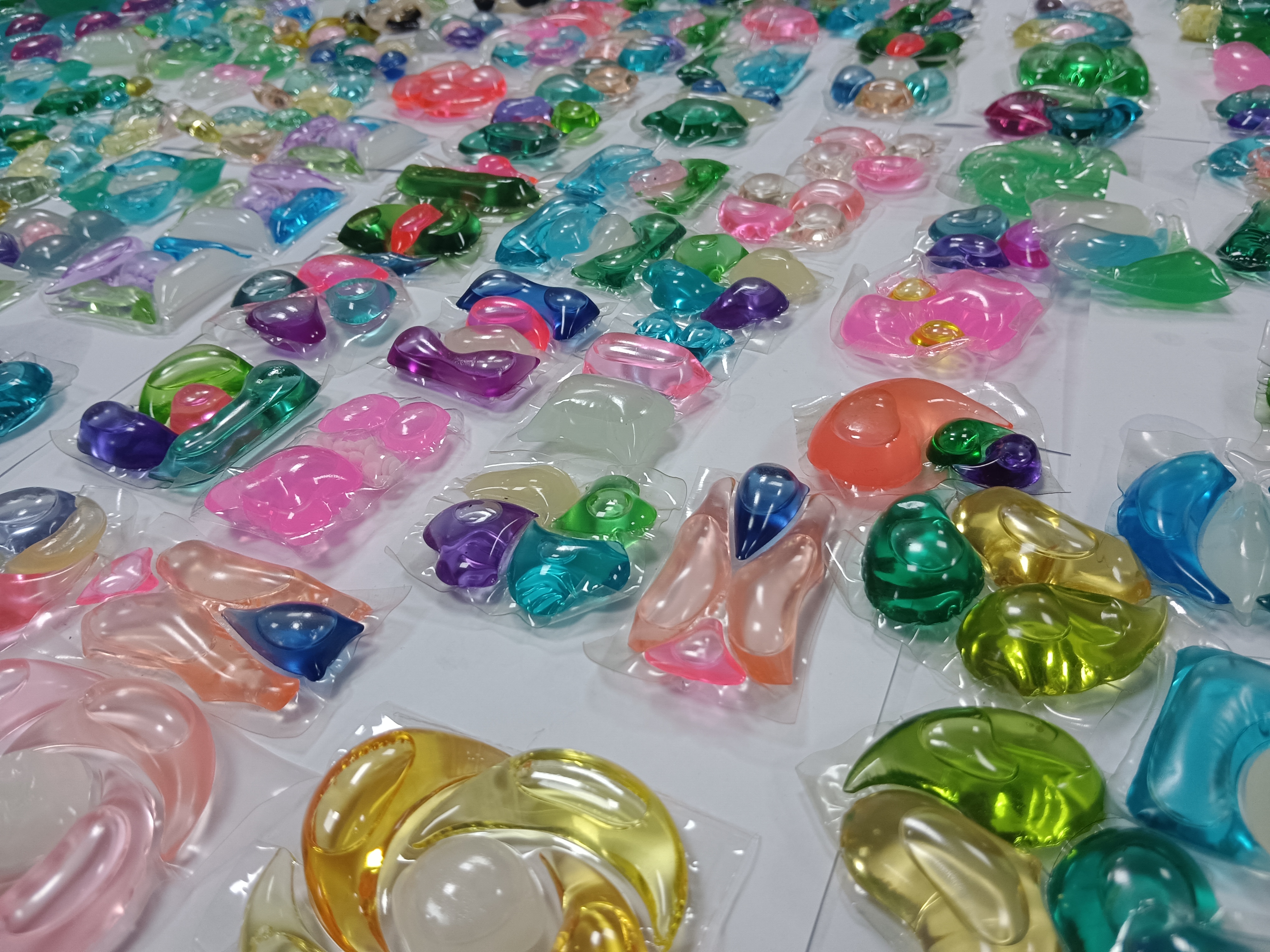
One of the most recognizable consumer uses of PVA films is in gain detergent pods. These pods, often encountered under various brand names including laundry detergent pods and all detergent pods, feature dissolvable PVA-based casing containing pre-portioned detergent. This eliminates the need for measuring and reduces product waste. Other common applications include:
Agriculture (e.g., seed tapes) Water treatment Pharmaceuticals and dietary supplements (as capsule coatings)
The PVA film’s water solubility sparks an important question: does dissolving in water equate to biodegradation? To answer this, we must look deeper into how these films break down in natural environments.
Unlike traditional plastics, which may persist in the environment for hundreds of years, PVA is more environmentally friendly. Here's how its biodegradation works:
The PVA film dissolves in water, breaking into smaller molecules or polymers. Once dissolved, the polyvinyl alcohol disperses into the water system.
Microorganisms in the environment, such as bacteria and fungi, feast on the dissolved PVA polymers. These microbes metabolize the material, turning it into carbon dioxide (CO2) and water under the right conditions.
PVA films show optimal biodegradability in freshwater systems such as rivers and streams, especially in well-oxygenated environments where microbes thrive.
Biodegradation in the ocean is slower due to less microbial activity. However, studies suggest that over time, even in marine ecosystems, PVA’s environmental footprint is significantly less harmful than traditional plastics.
On land, the biodegradation of PVA depends on moisture and microbial presence. When moisture is sufficient, as in composting setups, PVA breaks down faster.
Some factors influence the rate and completeness of PVA degradation:
Higher temperatures improve microbial activity, leading to faster biodegradation.
Specific microbes are more efficient in breaking down PVA films.
Thicker films take longer to degrade due to slower dissolution. Environmental Benefits and Challenges of PVA Films
PVA-based packaging in gain detergent pods and other laundry detergent pods reduces the amount of conventional plastic waste entering landfills.
PVA films are safe for ecosystems, unlike microplastics that harm marine life.
Because PVA can biodegrade, it aligns with goals of reducing waste and supporting sustainable materials.
If the environment lacks adequate microbes, PVA may persist longer than desired.
Creating PVA materials requires energy inputs, raising questions about its life-cycle carbon footprint.
Improper disposal of PVA-containing products could lead to non-target water pollution.
The trend toward concentrated liquid detergents in gain detergent pods and other laundry detergent pods reduces overall water usage and packaging waste. However, consumers often wonder if these products are truly environmentally friendly when considering their PVA film casings.
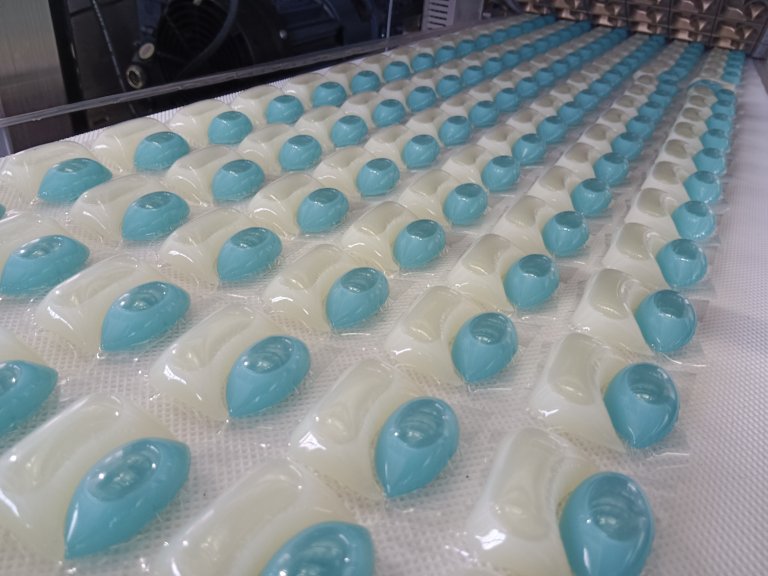
Detergent pods are a major application where PVA shines:
The film dissolves easily in washing machines, whether cold or hot water is used.
They remove the need for large, bulky detergent bottles, minimizing packaging. Despite their advantages, full transparency about what happens to dissolved PVA after washing remains critical for eco-conscious consumers. Most studies conclude that PVA poses minimal environmental risks provided wastewater treatment systems are effective in breaking it down.
When choosing detergent pods, eco-minded consumers should:
Opt for biodegradable formulas. Confirm whether the manufacturer provides detailed information on environmental impact.
Yes, PVA films are biodegradable. Microorganisms can break them down into water and carbon dioxide. However, the speed of degradation depends on environmental factors like temperature, moisture, and the presence of microbes.
No, PVA films do not produce microplastics when properly biodegraded. They dissolve completely in water and are metabolized by microbes.
When detergent pods dissolve in water, the PVA film breaks into smaller molecules. Wastewater treatment plants then process the dissolved PVA, breaking it down further through microbial activity.
Detergent pods made from PVA films are designed to reduce waste and are generally safe for the environment. It is important to dispose of them properly, following the manufacturer’s instructions.
While PVA biodegrades slower in marine environments compared to freshwater, it still eventually breaks down over time, unlike conventional plastics that persist for centuries.
| Property | PVA Films | Traditional Plastics |
|---|---|---|
| Biodegradability | Fully biodegradable in appropriate environments | Persistent, takes hundreds of years |
| Water Solubility | Soluble | Insoluble |
| Production Energy | Moderate | High |
| Post-Use Impact | Non-toxic | Toxic microplastic formation |
| Applications | Detergent pods, agriculture, medicine | Packaging, single-use plastics |
If you’re seeking eco-friendly products that utilize safe and biodegradable materials like PVA films, consider products by reliable brands. One such recommendation is Proudly. They offer innovative and environmentally responsible solutions in their product range. Whether you’re shopping for gain detergent pods, laundry detergent pods, or all detergent pods, you will find the balance between convenience and sustainability. Proudly ensures their PVA films meet high biodegradability standards while maintaining product effectiveness. For inquiries or more information, feel free to contact:
Email: proudly@proudly.com.cn
Phone: +86 13802609114
By choosing Proudly, you can confidently take steps toward reducing your environmental footprint.