- All
- Product Name
- Product Keyword
- Product Model
- Product Summary
- Product Description
- Multi Field Search
 English
 Views: 0 Author: Site Editor Publish Time: 2025-05-27 Origin: Site
Polyvinyl Alcohol (PVA) films, often used to encapsulate laundry and detergent pods, have garnered significant attention in recent years. Their water-soluble nature and role in minimizing waste make them essential in the development of modern laundry pod products. However, as their use grows, questions about environmental impact, biodegradability, and regulatory oversight have emerged. Understanding regulatory actions, coupled with ongoing research, is vital for addressing these concerns and advancing innovations in laundry pod technology.
PVA films are water-soluble polymers widely used in producing single-dose detergent pods. These films dissolve entirely upon contact with water, releasing the detergent encapsulated within. This innovation not only ensures accurate dosing but also makes laundry more convenient while reducing plastic waste. Laundry pods, therefore, are heralded as a step forward in sustainable packaging. However, the widespread adoption of PVA films necessitates a closer look at their biodegradability in various environments. While they break down effectively in controlled wastewater treatment facilities, several studies are examining their performance in natural ecosystems.
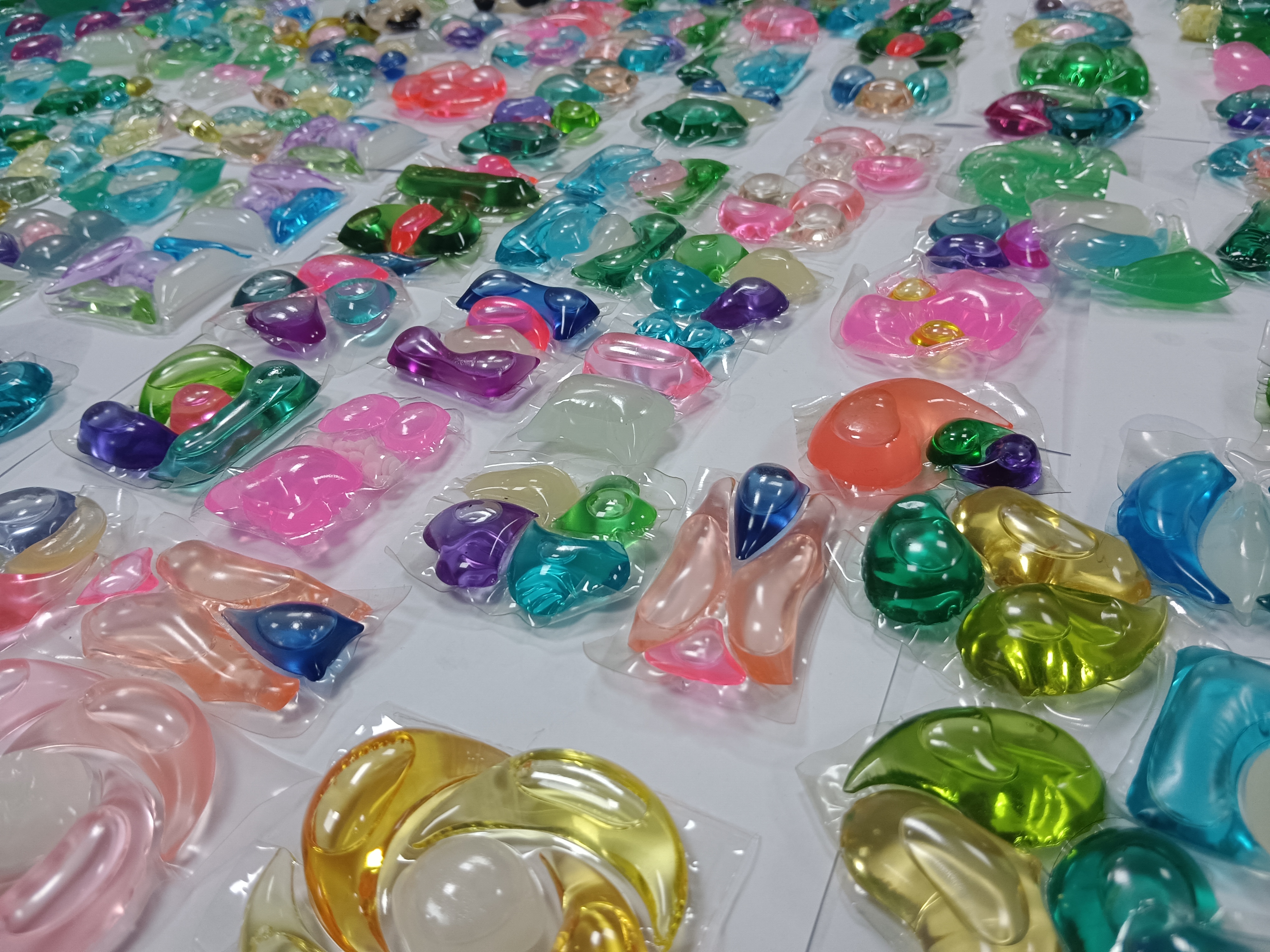
Governmental organizations worldwide play a critical role in regulating the use of PVA films within laundry pods to address potential ecological concerns. Authorities in regions like the European Union, the United States, and Asia have implemented measures to guide manufacturers in adhering to environmental mandates. Below are some noteworthy developments in this area:
Regulators require that PVA films meet specific biodegradability benchmarks. For example, in the European Union, stringent guidelines ensure that these materials are eco-friendly under the Packaging and Packaging Waste Directive. Similarly, the U.S. Environmental Protection Agency (EPA) recommends testing PVA films' breakdown efficiency during approval processes.
Regulatory frameworks also focus on child safety regarding laundry pods. Many detergent manufacturers are mandated to use bittering agents and design child-resistant capsules to prevent accidental ingestion.
Global regulators monitor the industry's compliance with sustainability goals through initiatives aimed at lifecycle analysis. These efforts ensure transparency in how PVA materials impact the environment post-consumer use. These regulatory standards push detergent pod manufacturers to focus more on advanced formulations and solutions. A balance must be maintained between convenience, safety, and minimizing environmental footprints.


The potential and limitations of PVA films continue to be explored in academic and industrial research contexts. Below are some of the most promising directions researchers are pursuing:
Scientists are exploring ways to modify PVA films for faster degradation, particularly in marine and soil ecosystems. Incorporating additives or co-polymers into the base material shows promise for enhancing the films' environmental compatibility.
LCAs help quantify the PVA films' full environmental impact, from production to post-disposal. These assessments provide a comprehensive understanding of their overall environmental performance compared to traditional plastic alternatives.
Advances in laundry pod machines that sync with newly formulated PVA films are also appearing. These advancements make it easier for consumers to track and reduce detergent use, further lowering environmental impact.
While PVA films are marketed as fully soluble, some researchers are investigating whether they leave behind microplastic particles, particularly in areas with untreated wastewater discharges. Ongoing studies aim to ascertain the extent to which these residues impact aquatic life. The intersection of research and regulatory oversight creates a path forward for more sustainable detergent solutions.
PVA films are composed of polyvinyl alcohol, a synthetic polymer known for its water solubility. It serves as the primary material in laundry pods to encapsulate detergent.
Yes, they are biodegradable in controlled settings, such as wastewater treatment plants. However, ongoing research examines how well they break down in natural environments like soil and the ocean.
Regulators ensure that PVA films meet environmental and safety standards. This includes guidelines for biodegradability, production transparency, and child safety measures in product design.
While PVA films dissolve completely in water, there is ongoing research to determine whether minute plastic residues remain in environments where wastewater treatment is inadequate.
Developments include enhanced formulations for faster degradation, lifecycle assessments to reduce environmental impact, and innovations in smart laundry devices compatible with detergent pods.


| Application | Benefit |
|---|---|
| Encapsulation of Laundry Pods | Accurate dosing and convenient use |
| Child-Resistant Design | Safer handling in households |
| Reduction in Plastic Packaging | Decreased reliance on traditional plastics |
| Improved Wastewater Management | Biodegradable in proper facilities |
At the forefront of sustainable detergent solutions, Proudly is committed to producing high-quality detergent pods designed with eco-friendly PVA films. Their products align with regulatory standards and exemplify environmental stewardship. For inquiries or additional details, please contact Proudly via email at proudly@proudly.com.cn or call +86-13802609114.