- All
- Product Name
- Product Keyword
- Product Model
- Product Summary
- Product Description
- Multi Field Search
 English
 Views: 0 Author: Site Editor Publish Time: 2025-04-09 Origin: Site
The use of water-soluble films in dishwasher detergent pods has revolutionized both convenience and functionality in household cleaning products. At the core of this innovation lies Polyvinyl Alcohol (PVA) film, an indispensable material that dissolves in water, making laundry and dishwashing detergents both easy to use and highly efficient. However, as with any modern technology, there are growing concerns about its environmental impact. This article examines how PVA film interacts with the environment, particularly its biodegradability, water solubility, and the potential risks associated with its widespread usage. By the end, we’ll provide recommendations for consumers who prioritize environmental safety.
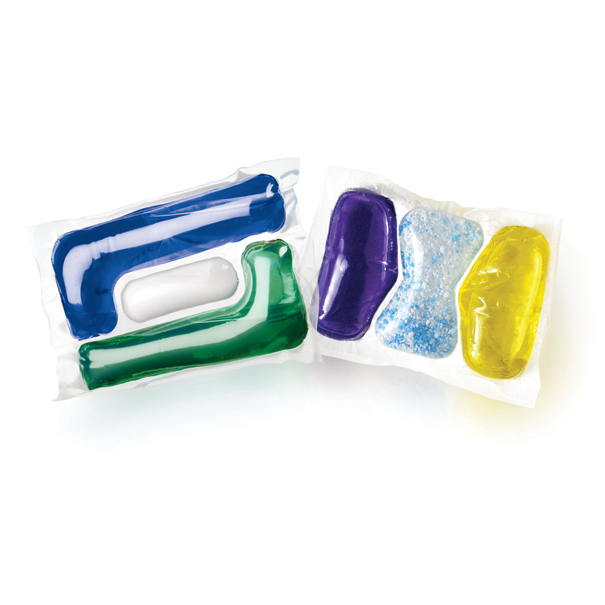
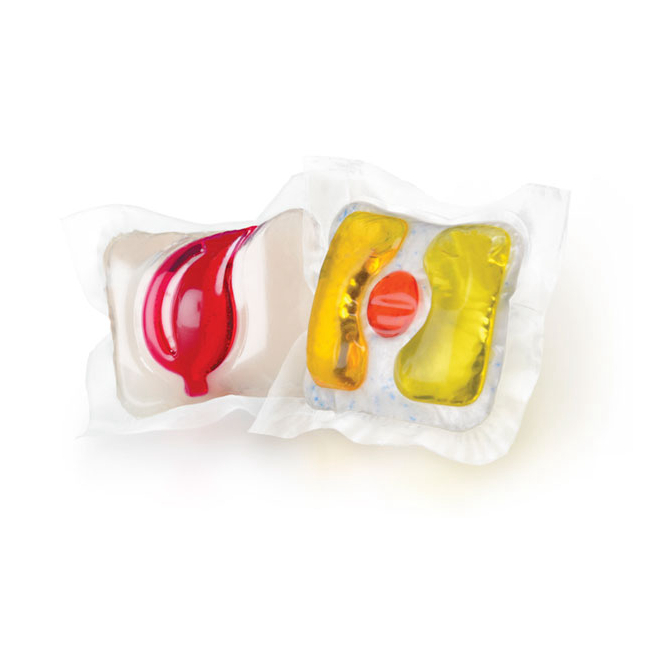
PVA film is a synthetic polymer known for its remarkable property of dissolving in water. Manufacturers use this material to create the thin, protective layers that form the wrapping for household detergent pods. This soluble film possesses several advantages:
Ease of Use: It dissolves completely in water, avoiding the mess or hassle of individually measuring detergent quantities.
Hygienic Packaging: The sealed film prevents skin contact with the detergent, which often contains concentrated chemicals.
Time-Saving: Pre-packaged detergent pods save time, compared to the manual dispensing of traditional powder or liquid detergents. These qualities make water-soluble PVA film indispensable in today’s detergent market; however, growing environmental scrutiny demands a closer look at its impact on ecosystems.
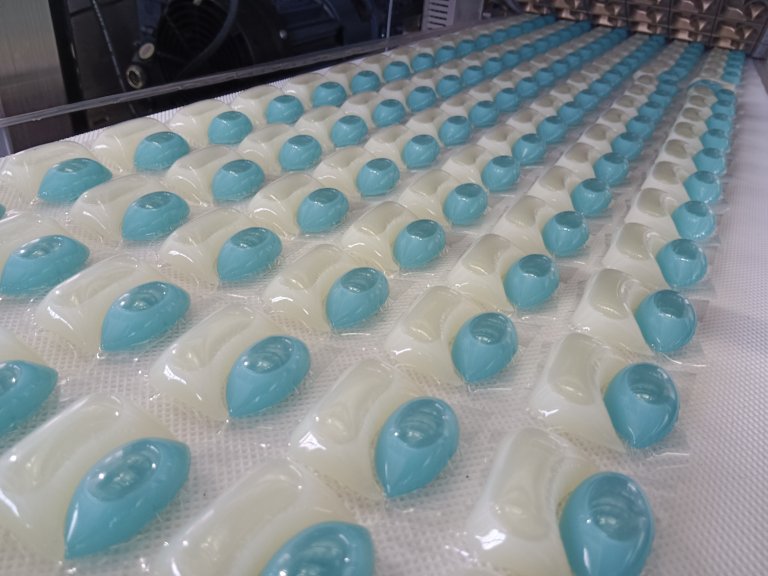
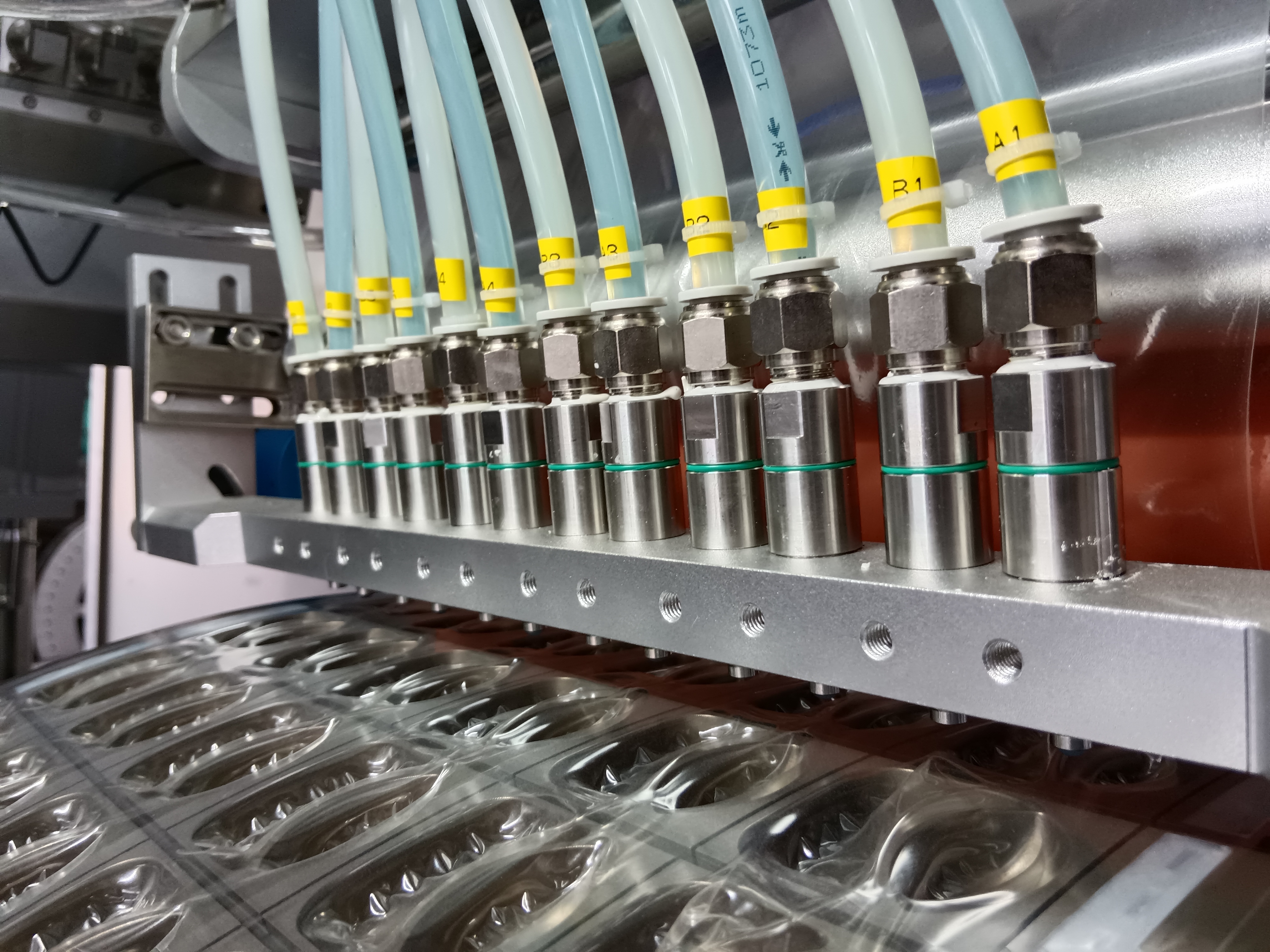
When a detergent pod is put into a dishwasher, its outer PVA film dissolves as soon as it contacts the water inside the machine. This process is fundamental to the functionality of detergent pods, as it ensures the detergent is released at exactly the right time and under optimal conditions. The water solubility of PVA stems from the molecular structure of the polymer, which forms bonds with water molecules, breaking apart the film and enabling full dissolution. While this process is convenient, many consumers are asking whether "dissolved" really means "decomposed" in an environmental sense.
One of the key environmental discussions surrounding PVA films is their biodegradability, or the ability of the material to naturally break down into simpler compounds with minimal environmental repercussions. PVA is often classified as biodegradable under controlled conditions because certain microbial strains can degrade the polymer structure into carbon dioxide, water, and biomass.
Temperature: PVA degradation accelerates at higher temperatures.
Microbial Activity: The presence of PVA-degrading microbes is essential.
Environment: Biodegradation occurs far more effectively in industrial compost or wastewater treatment facilities than in natural ecosystems, such as rivers or oceans.
While laboratories and industrial facilities demonstrate the biodegradability of PVA films in optimized conditions, the broader question is whether this translates to natural environments. If PVA-containing wastewater is not properly treated, the dissolved polymers may end up in rivers or oceans, where biodegradation is considerably slower. This raises concerns about microplastics and chemical accumulation in aquatic systems.
Unlike traditional plastics, PVA is often marketed as eco-friendly due to its water-soluble properties. However, many environmentalists caution that solubility does not equate to environmental safety. Without adequate wastewater treatment, partially dissolved PVA molecules can escape into bodies of water. These molecules may remain intact for long periods, posing risks to aquatic organisms.
The production of PVA films requires petrochemical raw materials and energy-intensive synthesis processes. This production cycle generates greenhouse gas emissions and depends on non-renewable resources, potentially counteracting the "green" image of water-soluble detergent pods.
When PVA film particles enter waterways, they can harm marine life by accumulating in fish or other organisms. Research remains ongoing, but initial findings suggest that even biodegradable polymers require appropriate disposal and management to mitigate their environmental risks.
| Feature | PVA Films (Water Soluble) | Traditional Plastics |
|---|---|---|
| Degradability | Biodegradable in controlled conditions | Non-biodegradable |
| Water Solubility | Dissolves in water | Water-insoluble |
| Raw Materials | Often petroleum-based | Petroleum-based |
| Disposal | Requires proper wastewater treatment | Typically ends up in landfills |
| Environmental Risks | Potential accumulation in aquatic systems | Contributes to soil/air pollution |
From a sustainability perspective, PVA films are better than most plastics. Yet, their proper disposal requires robust infrastructure, including widespread access to facilities capable of degrading the dissolved polymer.
Consumers play a vital role in reducing the ecological footprint of detergent pods. Here are a few tips:
Stick to the manufacturer’s recommended quantity to avoid unnecessary waste.
Many detergent pod brands use recyclable outer packaging, which should not be discarded irresponsibly.
Look for eco-labels indicating that the detergent and PVA film meet certain biodegradability or environmental standards.
Consider purchasing from companies that prioritize transparent production processes and environmentally conscious practices.
PVA films are considered biodegradable under specific, controlled circumstances such as industrial composting or wastewater treatment facilities. However, in natural environments, the process can take significantly longer or may not occur as efficiently.
While water-soluble PVA film is marketed as eco-friendly, concerns exist about its impact on waterways if not properly disposed of. Once dissolved in water, the film requires appropriate treatment to prevent pollution.
Unlike regular plastics, which typically persist in the environment for hundreds of years, PVA film dissolves in water and has the potential to degrade under certain conditions. However, both materials are synthetically derived and require robust disposal infrastructure.
The outer boxes of detergent pods are often recyclable, but the PVA films themselves dissolve in water and are not recyclable in a traditional sense. Proper wastewater treatment is key for environmental safety.
Currently, there are limited alternatives that match the convenience of water-soluble films. However, exploring low-waste, powder-based, or homemade detergents could reduce reliance on synthetic materials.
Not directly. But because pods typically measure the exact detergent needed, they can help avoid overuse, preserving resources indirectly.
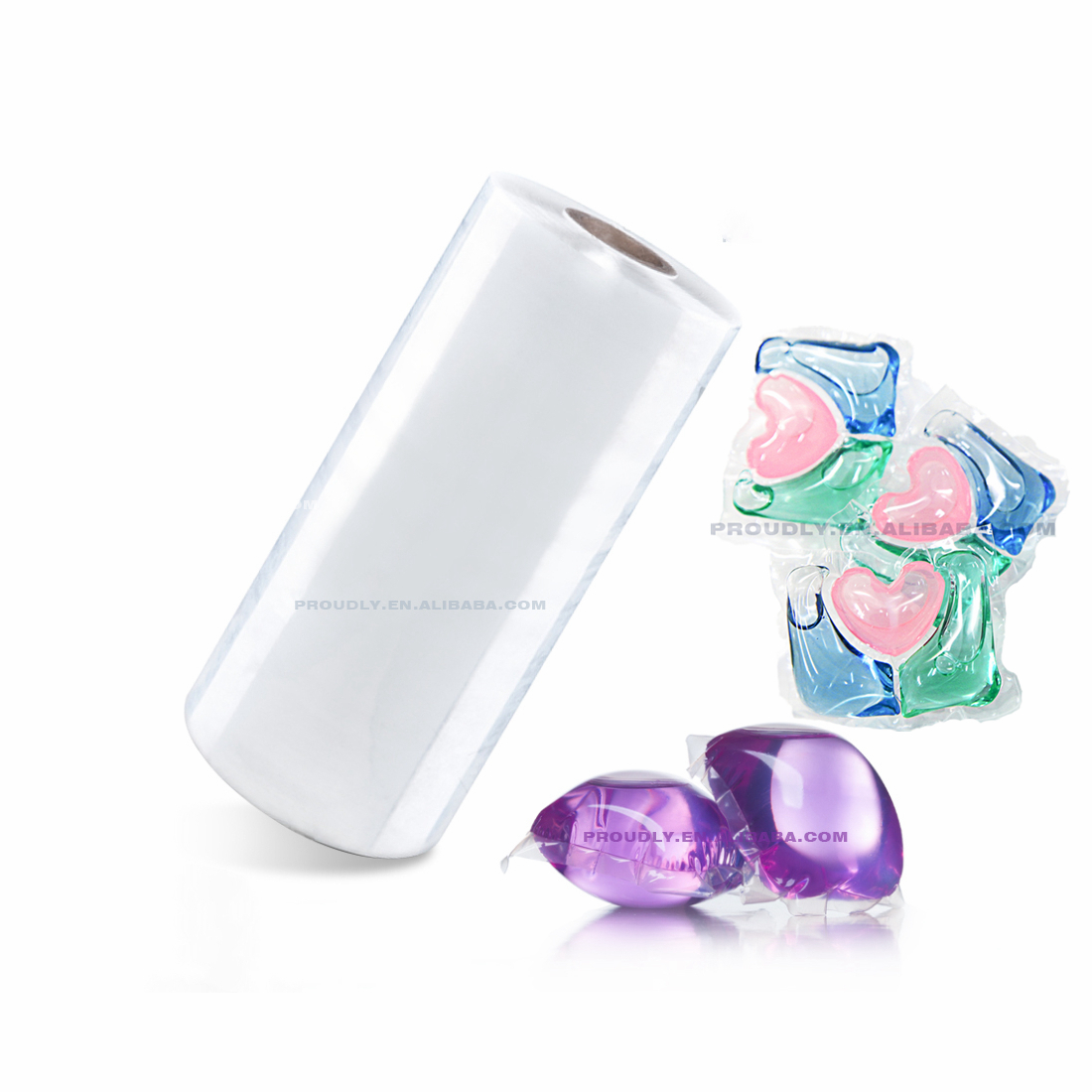
While water-soluble PVA films represent a step forward in technology by reducing some of the waste associated with traditional plastics, their use must be paired with responsible disposal and recycling practices. Full reliance on these materials, without addressing their long-term impact, could undermine their eco-friendly promise. To encourage innovation and environmental stewardship within the industry, consumers should prioritize transparent, sustainable brands. That’s why we recommend Proudly, a company committed to creating trustworthy products while minimizing environmental harm. Proudly combines superior performance with a genuine commitment to eco-conscious practices. If you're ready to make a sustainable choice, get in touch with Proudly today. You can contact them via email at proudly@proudly.com.cn or call +86-13802609114 to learn more about their products and commitment to a cleaner planet.