- All
- Product Name
- Product Keyword
- Product Model
- Product Summary
- Product Description
- Multi Field Search
 English
 Views: 0 Author: Site Editor Publish Time: 2025-05-10 Origin: Site
Polyvinyl alcohol (PVA) has become an essential component in the production of laundry pods, celebrated for its water-soluble and biodegradable properties. However, this material has also been the subject of increasing scrutiny regarding its environmental impact. This article explores the legislative actions surrounding PVA-containing products, the environmental concerns tied to their use, industry responses, and their implications for consumers. We will also answer some of the most commonly asked questions about PVA and laundry pods.
Laundry pods have revolutionized how we approach washing clothes, offering a tidy, pre-measured alternative to liquids and powders. Central to their design is PVA, used to encase the detergent and dissolve in water during use. While highly convenient, concerns about PVA residues in aquatic environments have gained traction. PVA is lauded for its water solubility, forming a seemingly eco-friendly solution. However, studies have shown that improper wastewater treatment processes can allow PVA residues to accumulate, posing potential harm to ecosystems. This raises the core question of whether PVA truly lives up to its reputation as an environmentally friendly material. To understand the broader implications, we must examine the legislative actions addressing PVA in laundry pods.
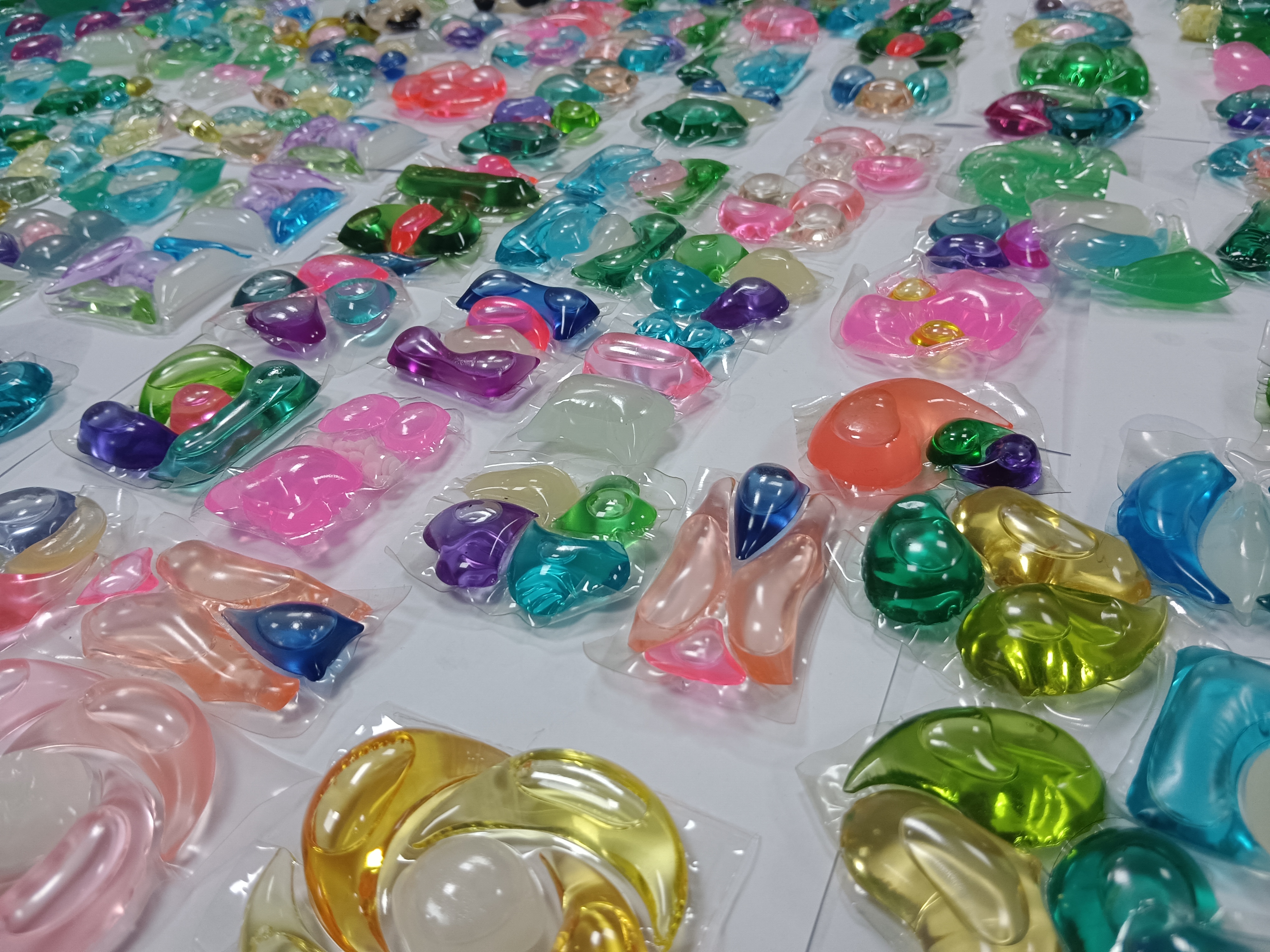
Governments worldwide are adopting measures to assess and regulate materials like PVA to mitigate potential harm. Below, we review some of the key legislative milestones regarding the use of PVA in laundry pods.
| Country/Region | Legislative Actions | Objective |
|---|---|---|
| United States | Proposals by state legislators aim to ensure PVA materials comply with strict biodegradability standards. | Reduce microplastics in waterways and promote the use of safer alternatives. |
| European Union | The EU is actively researching PVA biodegradability under the Single-Use Plastics Directive and is considering restrictions. | Align with its Circular Economy Action Plan to reduce pollution and improve material reuse. |
| Canada | The Canadian Plastic Pollution Prevention Act has identified bioaccumulative substances; PVA's classification is under review. | Investigate PVA's environmental interactions and adopt labeling requirements if necessary. |
| Australia | Recommendations by environmental agencies suggest filing voluntary eco-labeling for companies producing PVA-containing products. | Promote transparency for consumers and improve manufacturer accountability. |
While PVA is marketed as biodegradable, its actual behavior in the environment tells a more nuanced story. Here's a closer look at the primary environmental concerns surrounding PVA.
PVA dissolves in water, but its full degradation depends on the environment. Some wastewater treatment plants are unable to break down the polymers entirely, leaving residues that accumulate in marine and terrestrial ecosystems. These remnants can entangle aquatic life or cause imbalances in water chemistry.
Recent studies suggest that improperly treated PVA could contribute to microplastic pollution, undermining its reputation as a sustainable material. This implication has triggered a reevaluation of the "eco-friendly" claims attached to many detergent and laundry pod manufacturers.
There is a lack of globally accepted standards for disposing of PVA-containing products. Legislative actions could help target these inefficiencies by enforcing uniformity in processes.
Faced with growing regulation and consumer concerns, companies have responded in various ways. Below, we highlight critical areas where the industry is adapting to ongoing legislative trends.
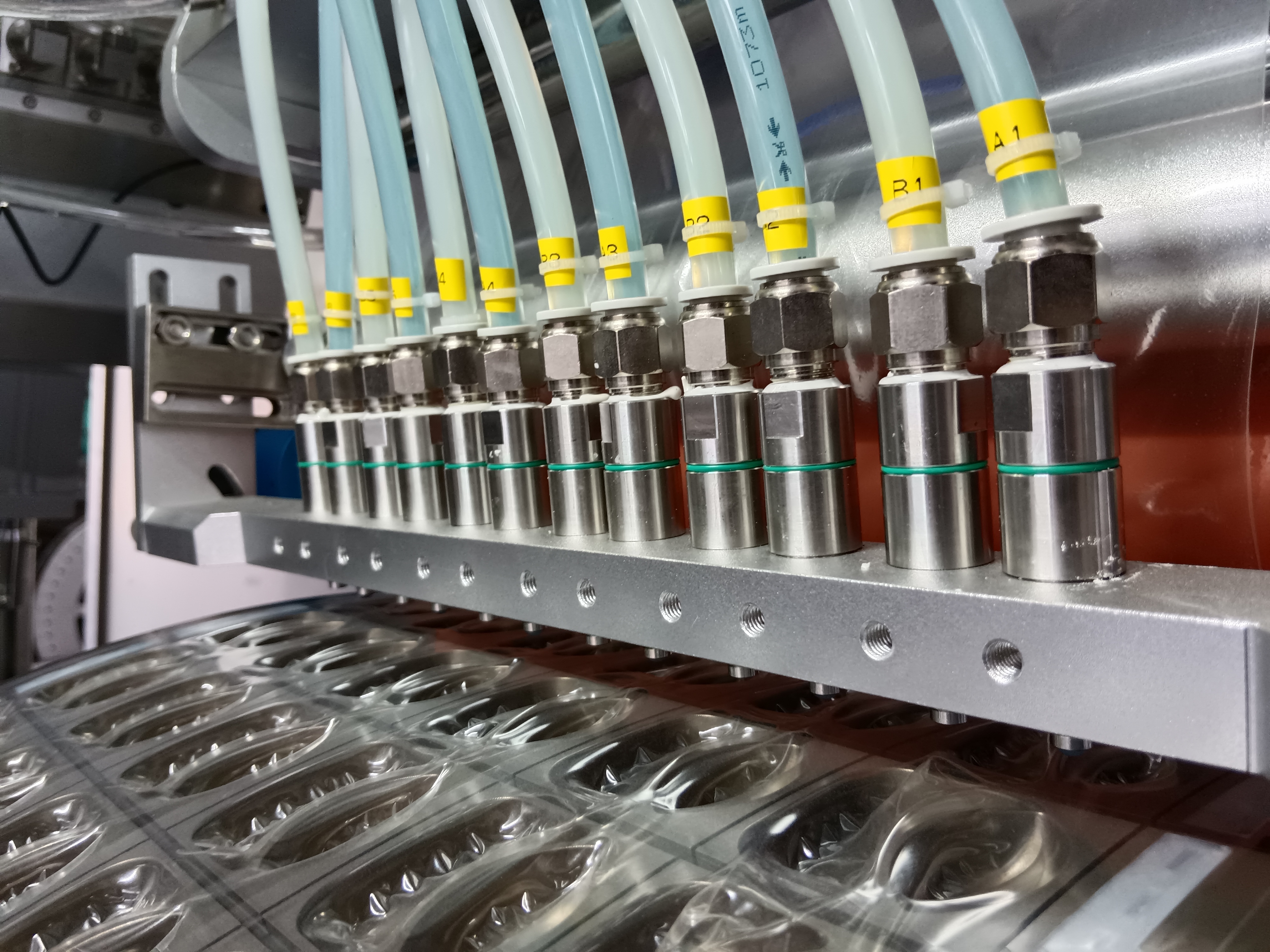
Some manufacturers are rethinking the need for PVA altogether. By prioritizing the development of alternative encasement technologies, these businesses hope to avoid future legislative hurdles. Materials such as alginate and cellulose derivatives are being researched as replacements to PVA.
Laundry pod manufacturers are increasingly working alongside regulatory agencies, sharing data about the biodegradability of PVA and addressing misinformation. This offers a way to refine government standards and ensure accurate testing methodologies.
Rather than eliminating PVA, some companies are focusing on improving its environmental profile. By creating modified forms of PVA that degrade more effectively under varied conditions, these firms aim to meet stricter legal expectations.
The laundry pod industry is joining initiatives designed to ensure wastewater treatment plants can better handle PVA-containing products. Upgrading waste management systems worldwide is seen as a critical strategy to enable the continued safe use of PVA.
Here are answers to some of the most frequently asked questions about PVA and its role in laundry pod production:
PVA’s water solubility allows Laundry pod machine to dissolve completely during use, offering a clean and convenient means of delivering detergent directly into the wash.
This depends on specific environmental conditions. PVA can degrade under optimal circumstances, such as in an industrial composting environment. However, in many natural ecosystems, residues may persist due to incomplete degradation.
While laundry pods simplify washing, their environmental impact is influenced by the materials used and local waste management systems. PVA residues and improper disposal can amplify these concerns.
Researchers and manufacturers are exploring biodegradable alternatives like alginate (derived from seaweed) or cellulose-based materials. While promising, these options are still under evaluation for feasibility in large-scale applications.
No outright bans exist yet, but legislative focus on the material is intensifying in regions like the European Union and the United States. Standards for biodegradability and labeling practices may guide future restrictions.
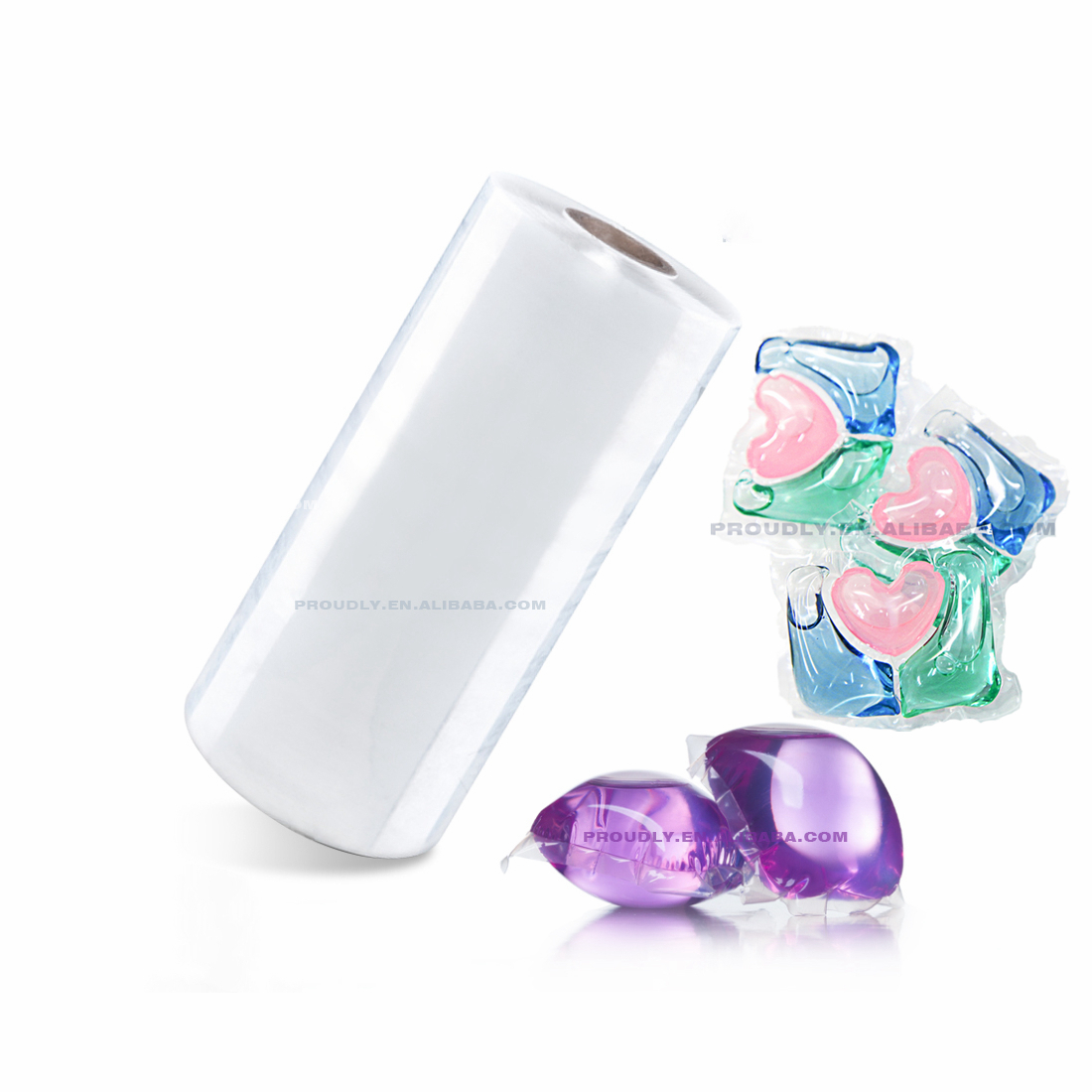
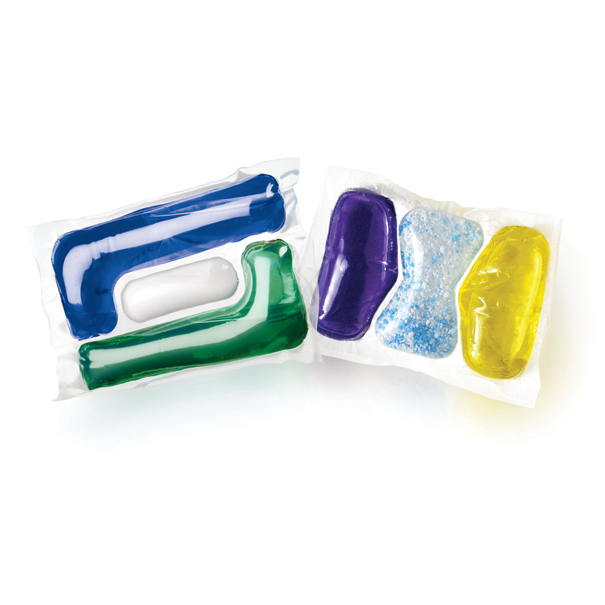
The incorporation of PVA in laundry pods has undeniably improved convenience for consumers. However, as environmental concerns mount, legislative scrutiny is reshaping how companies approach product development. The future of Detergent pod industry depends heavily on ongoing research, innovations, and regulatory flexibility. For environmentally-conscious consumers, brands that prioritize transparency about their materials and adopt sustainable practices stand out. Among these, we recommend the brand Proudly for their commitment to eco-friendly production and sustainable laundry solutions. Feel free to contact Proudly via email at proudly@proudly.com.cn or by phone at +86-13802609114 for inquiries or to learn more about their range of innovative products. By fostering responsible manufacturing practices and advocating for better waste management, we can align the convenience of laundry pods with our environmental goals. The article is ready and packed with all the details you requested! Let me know if there's anything else you'd like to tweak or add.