- All
- Product Name
- Product Keyword
- Product Model
- Product Summary
- Product Description
- Multi Field Search
 English
 Views: 0 Author: Site Editor Publish Time: 2026-04-25 Origin: Site
Packaging waste remains a significant challenge for businesses and consumers alike. Traditional plastics pile up in landfills, prompting industries to seek out smarter, more sustainable alternatives. Polyvinyl alcohol (PVA or PVOH) provides a fascinating solution to this problem.
This material acts just like traditional plastic until it touches water. Once submerged, it dissolves entirely, leaving no harmful microplastics behind. You have likely encountered this material when doing household chores or handling commercial cleaning supplies.
In this guide, we will explore exactly what water soluble film is, how the underlying technology works, and the core benefits it brings to modern manufacturing. We will also look at the most common applications driving its rapid adoption across multiple industries.
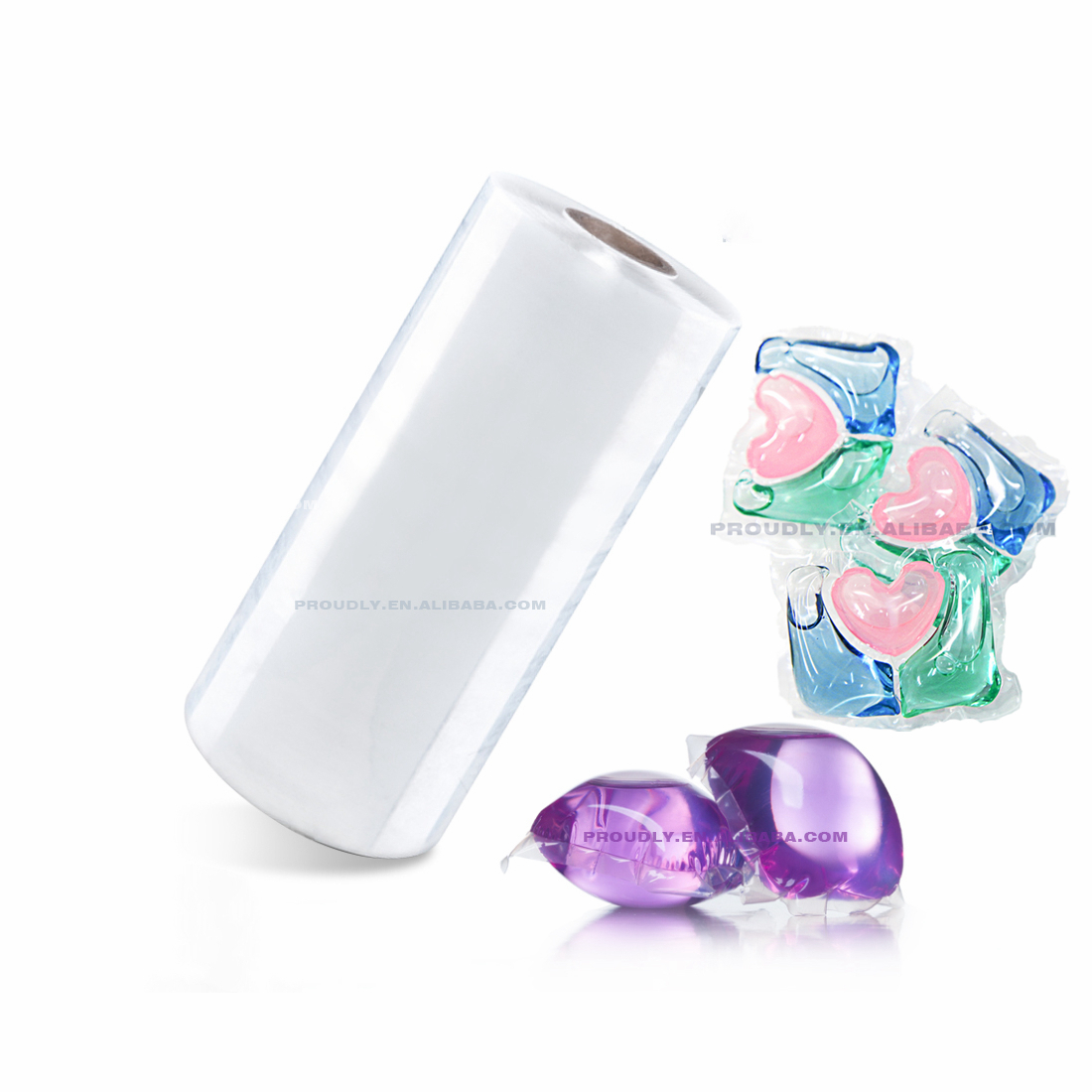
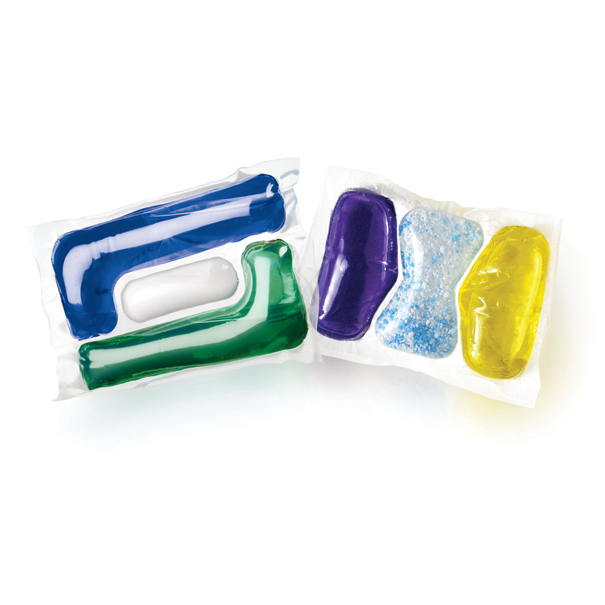
Water soluble film consists of a synthetic polymer called polyvinyl alcohol. Manufacturers create this polymer by polymerizing vinyl acetate and then hydrolyzing it. The resulting material features a unique molecular structure that loves water.
When you place this film in water, the water molecules penetrate the polymer chains. These chains relax, break apart, and dissolve into the liquid. The entire process happens rapidly, often within seconds or minutes, depending on the specific formulation of the film and the temperature of the water.
Importantly, this chemical process is safe for the environment. Microorganisms found in water treatment plants and natural environments easily consume the dissolved PVA. They break it down into water and carbon dioxide. This complete biodegradation ensures that the material does not contribute to the growing microplastic crisis.
Because it offers an exceptional barrier to gases and odors while remaining completely biodegradable, PVA film serves various industries. Businesses use it to create precise, pre-measured doses of chemicals, protecting end-users from direct contact with potentially hazardous substances.
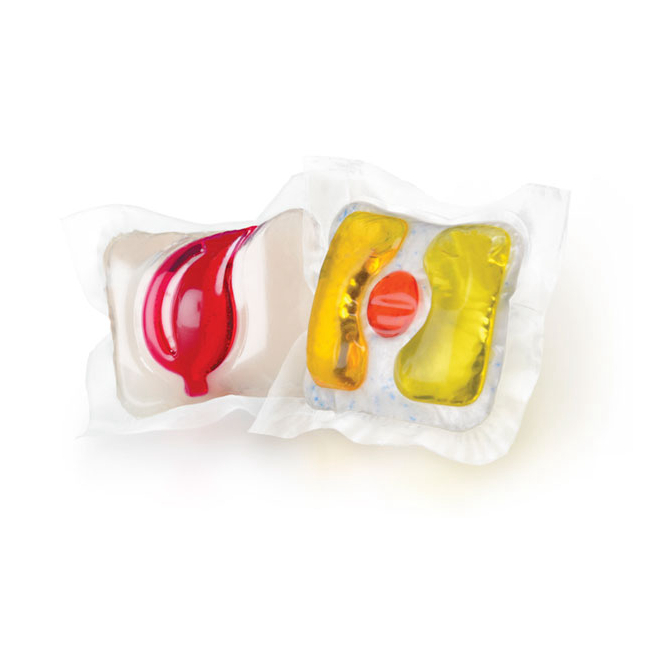
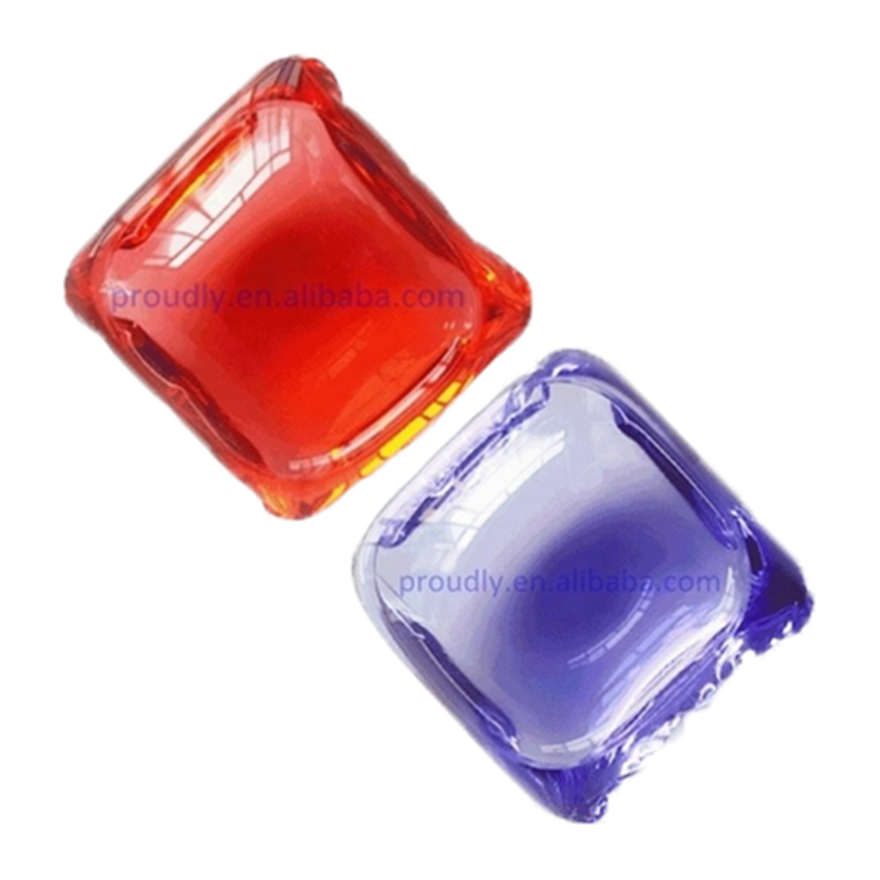
The most recognizable use for this material lies in household and commercial cleaning products. Manufacturers encapsulate concentrated liquid or powder detergents in small, pre-dosed pouches. Consumers simply toss the pouch into the washing machine or dishwasher, and the water handles the rest.
If you are a manufacturer looking to package detergents, utilizing high-quality water soluble film for laundry capsules ensures that your product remains intact on the shelf but dissolves perfectly during the wash cycle. This eliminates messy spills, prevents consumers from overusing detergent, and reduces the need for bulky plastic jugs.
Farmers and agricultural workers frequently handle toxic pesticides, herbicides, and fertilizers. Exposure to these chemicals poses severe health risks. Water soluble packaging offers an elegant safety solution for the agricultural sector.
Companies package agrochemicals in PVA film, allowing workers to drop the entire bag directly into their mixing tanks. The bag dissolves, releasing the chemicals into the water without any direct human contact or airborne dust inhalation. Furthermore, this method eliminates the problem of disposing of contaminated chemical containers.
Hospitals and healthcare facilities deal with contaminated clothing and bed linens daily. Handling these items exposes staff to dangerous pathogens. Healthcare facilities use water soluble laundry bags to transport soiled linens directly into commercial washing machines.
The staff places the sealed bag into the washer. The hot water dissolves the bag during the wash cycle, completely sterilizing the contents without forcing workers to touch the contaminated fabrics.
Switching to water soluble packaging provides multiple tangible benefits for companies and consumers. It streamlines processes, enhances safety, and significantly reduces environmental footprints.
To understand why so many industries are making the switch, let us compare water soluble film to standard plastic packaging.
Feature | Water Soluble Film (PVA) | Traditional Plastic Packaging |
Solubility | Dissolves completely in water | Does not dissolve |
Biodegradability | Highly biodegradable | Takes hundreds of years to degrade |
Microplastic Risk | Zero (breaks down to CO2 and water) | High risk of microplastic shedding |
User Safety | Prevents direct contact with chemicals | High risk of spills and chemical exposure |
Dosing Accuracy | Pre-measured, exact doses | Relies on manual user measurement |
Gas Barrier | Excellent barrier against odors and gases | Varies heavily by plastic type |
Beyond the environmental benefits, exact dosing saves companies money. When users measure their own chemicals, they often use too much. Pre-measured packets ensure optimal chemical usage and consistent results every time.
For businesses operating in the household cleaning sector, utilizing reliable water soluble film for laundry pods allows you to tap into the massive consumer demand for convenient, zero-waste cleaning solutions. Consumers actively seek out products that simplify their chores while reducing plastic waste.
Not all water soluble films are identical. Manufacturers engineer different grades of PVA to react to specific conditions. You must select a film that matches your product's requirements and the end user's environment.
First, consider the water temperature. Some films dissolve rapidly in cold water, making them ideal for modern washing machines that utilize energy-saving cold cycles. Other films require hot water to trigger the dissolving process. Hot-water films work best for medical laundry bags, ensuring the bag only breaks open once the sterilization cycle begins.
Second, evaluate the chemical compatibility of your product. If you are packaging aggressive chemicals or liquids with high water content, you need a specialized film that will not degrade prematurely. The film must withstand the internal moisture of the product without dissolving from the inside out.
If you are establishing a production line, sourcing the correct machinery is just as vital as sourcing the film itself. Creating high-quality water soluble film for laundry detergent pods requires precision equipment that can accurately fill and seal the capsules without compromising the delicate PVA barrier.
Finally, test the tensile strength and flexibility of the film. Your packaging must survive the rigors of shipping and handling. A high-quality film maintains its structural integrity on the store shelf, preventing unexpected bursts or leaks before it ever reaches the consumer.
Water soluble film represents a massive leap forward in packaging technology. By utilizing polyvinyl alcohol, companies can deliver powerful chemicals and cleaning agents safely, accurately, and sustainably. As consumers and regulators push for stricter environmental standards, the reliance on traditional single-use plastics will continue to fall.
Transitioning your product lines to water soluble packaging not only protects the environment but also provides your customers with unmatched convenience and safety. Evaluate your current packaging strategy today. Consider partnering with a reliable supplier to test PVA films with your existing products and discover how this innovative material can elevate your brand.