- All
- Product Name
- Product Keyword
- Product Model
- Product Summary
- Product Description
- Multi Field Search
 English
 Views: 0 Author: Site Editor Publish Time: 2025-03-26 Origin: Site
Detergent pods have become a convenient solution for households worldwide, offering a mess-free and efficient way to tackle laundry and dishwashing needs. At the heart of these pods lies an often-overlooked component, the polyvinyl alcohol (PVA) film. These films dissolve when in contact with water, releasing the detergent inside. But while they are celebrated for their practicality, serious questions have arisen about their environmental impact. Do PVA films fully biodegrade as claimed, or do they contribute to the growing problem of microplastic pollution? This article aims to tackle this contentious issue, explore the broader applications of PVA film, and offer insight into sustainable solutions.
Polyvinyl alcohol (PVA) is a synthetic polymer that is water-soluble. It has gained traction in industries such as packaging and consumer goods, particularly for applications requiring controlled dissolvability. PVA film is a thin, clear film that can quickly dissolve in warm water, making it an ideal material for single-use products like detergent pods. Aside from cleaning products, it is used in diverse applications, including hydro dipping and food packaging. Its water-soluble nature has been marketed as an eco-friendly alternative to conventional plastic films. However, the debate lies in whether its decomposition process is as environmentally benign as advertised.
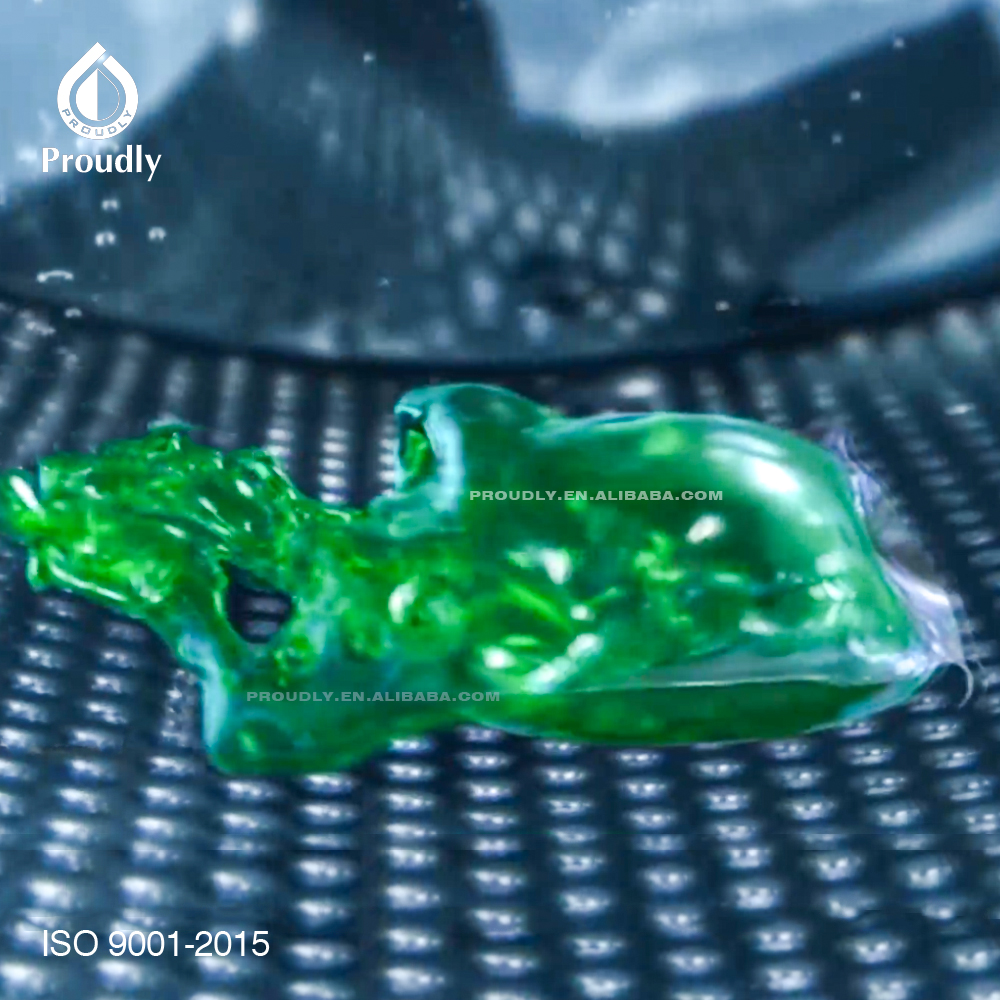
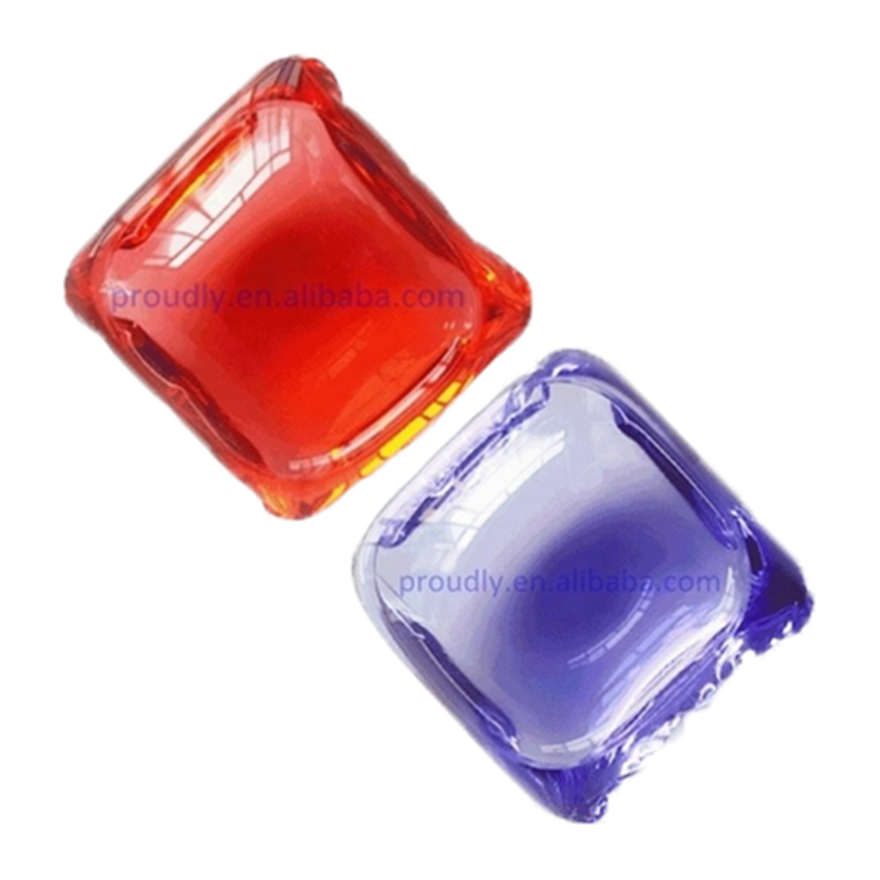
To determine the environmental credentials of PVA films, it’s essential to examine their chemical structure and how they behave in different environments.
Proponents of PVA films argue that they are biodegradable when disposed of properly. Biodegradability refers to the ability of a material to break down into natural elements like water, carbon dioxide, and biomass with the help of microorganisms. When PVA is dissolved in water, it theoretically reduces to smaller compounds that can be consumed by microbes in water treatment systems. This claim is supported by laboratory experiments conducted under optimized conditions, such as controlled temperature, pH levels, and microbial activity. Numerous studies suggest that PVA can biodegrade within months in an industrial composting facility or a wastewater treatment plant.
Despite these claims, critics point out a significant gap between controlled lab conditions and real-world environments. Not all households are connected to facilities equipped to efficiently process dissolved PVA. If the polymer enters natural water bodies directly (rivers, lakes, oceans), the conditions may not support full biodegradation. Instead, PVA could potentially degrade into microplastic particles, further exacerbating pollution in aquatic ecosystems. Microplastics are tiny plastic fragments or fibers less than 5mm in size. They are pervasive in oceans, often ingested by marine species, leading to harmful bioaccumulation throughout the food chain. The concern is that even trace amounts of insoluble polymers from PVA films may contribute to this problem.
To better understand the environmental impact of PVA, it is imperative to explore how it behaves across real-world systems. Below is a table comparing the behavior of PVA films in different environments.
| Environment | Behavior of PVA Film | Environmental Outcome |
|---|---|---|
| Wastewater Treatment Plant | Dissolves in water and partially biodegrades under controlled conditions with bacterial interactions. | Low environmental risk if processed efficiently, but dependent on robust waste infrastructure. |
| Natural Freshwater Systems | Dissolves but may not fully biodegrade due to insufficient microbial activity or adverse conditions. | Potential risk of microplastic pollution in rivers and lakes. |
| Marine Environments | Dissolves but decomposes more slowly under saline conditions and lower microbial activity. | High likelihood of microplastic persistence, threatening marine life. |
| Landfill | Limited contact with water does not trigger film dissolving; breakdown depends on time and conditions. | Risk of long-term pollution if not properly composted or recycled. |
While PVA’s role in detergent pods has garnered scrutiny, its versatility has led to numerous other applications, many of which aim to enhance convenience or reduce waste.
Hydro dipping, also called water transfer printing, is a unique method of applying intricate patterns or designs onto 3D surfaces. PVA film plays a critical role in this process. A pattern is printed onto a PVA film, which is then floated on water. The film dissolves as an activator is applied, leaving only the printed design to adhere to the object being dipped. The use of PVA film for hydro dipping is prevalent across automotive, consumer product, and even sporting good industries. While its dissolvable nature makes it an efficient choice for creating seamless designs, it raises skepticism similar to that of detergent pods regarding waste disposal after dissolution.
PVA film rolls are increasingly being used for packaging applications, especially in industries looking for alternatives to traditional plastics. These rolls can be customized to create edible packaging (e.g., for single-serve food products) or biodegradable wrappings for agricultural or medical uses. Production of PVA film rolls continues to rise, owing to innovations in the polymer film market. However, its environmental footprint remains contentious without clearer policies and proper waste management pathways to ensure safe disposal.

PVA is a synthetic polymer created by polymerizing vinyl acetate and then hydrolyzing it to form polyvinyl alcohol.
When PVA film encounters water, it breaks down at a molecular level due to its hydrophilic composition. The process usually speeds up in warm water.
PVA films are marketed as biodegradable under specific conditions, such as industrial composting or wastewater treatment plants. However, they may contribute to pollution in unmanaged environments if not disposed of properly.
There is an ongoing debate. Under certain conditions, PVA films may not completely biodegrade and could potentially leave behind microplastic residues.
PVA films are also widely used in hydro dipping, food packaging, pharmaceutical capsules, agricultural applications, and medical supplies.
Check the manufacturer’s claims and look for certifications that verify biodegradability under real-world conditions. Opt for brands that are transparent about the environmental impact of their products.
The growing popularity of PVA films across industries makes it imperative to address their life cycle—from production to disposal. Regulators, manufacturers, and consumers must collaborate to mitigate potential environmental risks.
Improve Transparency : Provide detailed information on the disposal pathways and possible environmental impacts of PVA products.
Invest in Research : Innovate ways to enhance the biodegradability of PVA in diverse environments, including marine ecosystems.
Adopt Certification Standards : Third-party certifications can validate environmentally friendly claims, ensuring consumer trust.
Practice Responsible Disposal : Make sure that PVA-based products are disposed of through designated waste channels like composting or recycling.
Be Educated : Take time to understand product labels and the differences between biodegradable and non-biodegradable materials.
Choose Wisely : Support companies that use sustainable practices in the production and disposal of their products.


Are you in search of high-quality, sustainable PVA films for industrial or commercial use? Proudly offers a range of eco-conscious PVA film solutions, including options for hydro dipping and customizable PVA film rolls. With a commitment to minimizing waste and advancing sustainable technologies, Proudly is here to meet your needs. For more information or to inquire about our products, feel free to contact us at:
Email: proudly@proudly.com.cn
Phone: +86-13802609114
Make the responsible choice by partnering with Proudly for all your high-performance PVA film needs. Embrace sustainability today!