- All
- Product Name
- Product Keyword
- Product Model
- Product Summary
- Product Description
- Multi Field Search
 English
 Views: 0 Author: Site Editor Publish Time: 2026-04-24 Origin: Site
Plastic waste has long been a pressing issue for households and commercial facilities alike. Traditional liquid detergent jugs and thick plastic packaging often end up in landfills, taking centuries to break down. Fortunately, the cleaning industry is undergoing a significant transformation. Advanced materials and smart packaging designs are providing highly effective ways to wash clothes without the heavy environmental toll.
If you want to reduce your carbon footprint while maintaining a high standard of cleanliness, understanding the latest material innovations is essential. This guide explores how modern dissolvable technologies are changing the way we approach washing, offering convenience, safety, and impressive environmental benefits.
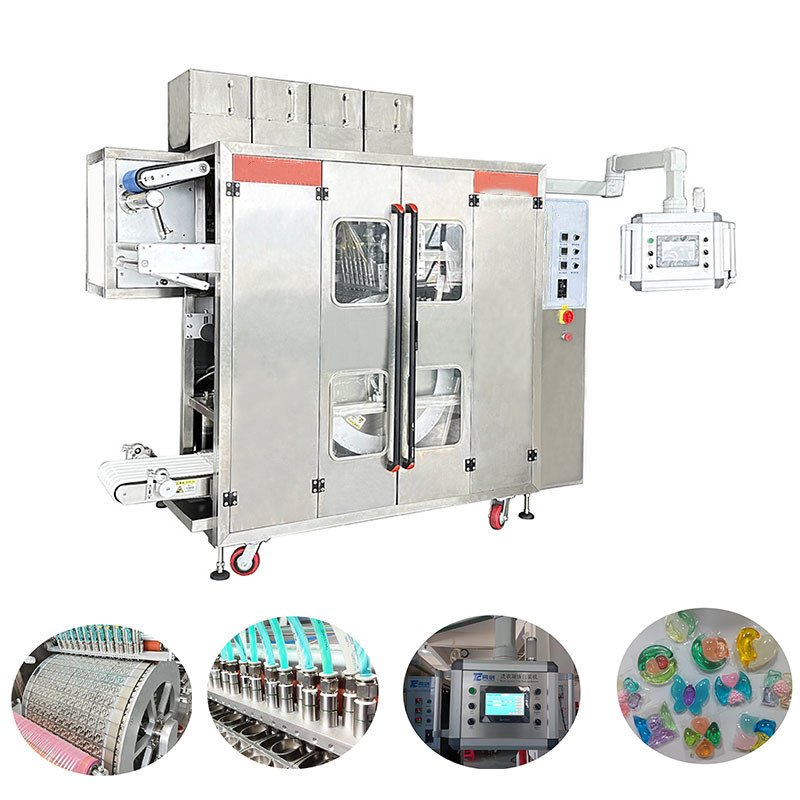
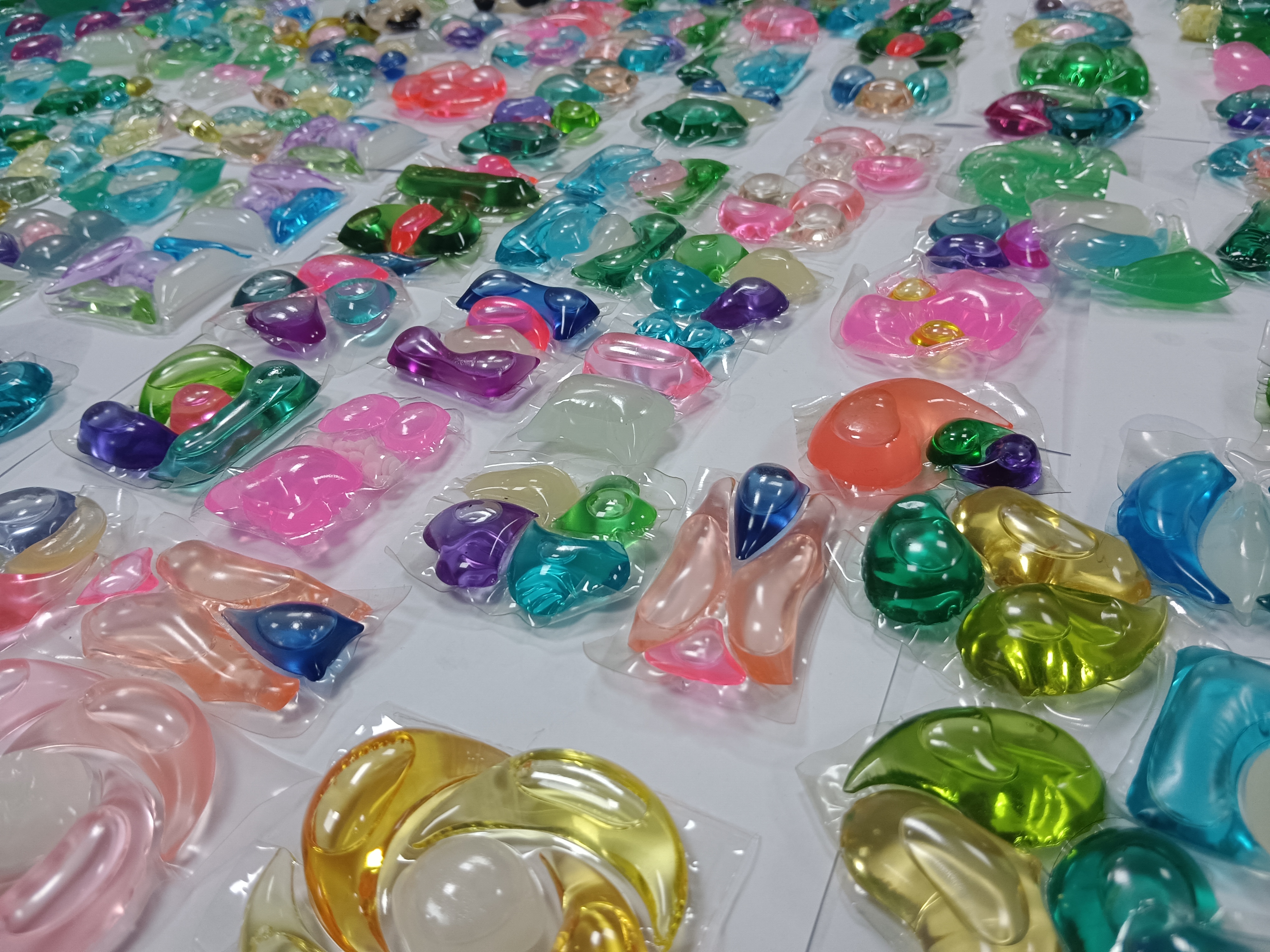
One of the most popular innovations in recent years is the shift toward unit-dose detergents. Instead of pouring liquid from a heavy plastic jug—which frequently leads to using too much soap and wasting water—consumers can now use a highly concentrated cleaning formula encased in a dissolvable packet.
These laundry pods provide the exact amount of detergent needed for a standard wash cycle. This precise dosing eliminates the guesswork and prevents excess chemicals from washing down the drain. Furthermore, because these unit doses contain very little water compared to traditional liquid detergents, they are significantly lighter. This compact size allows manufacturers to ship more product per truckload, substantially reducing transportation emissions and the overall carbon footprint of the product.
Beyond the environmental benefits, these compact doses offer unmatched convenience. They take up far less space in your cabinet, are easy to transport, and remove the mess of sticky measuring cups. You simply toss one into the washing machine drum before adding your clothes, and the machine handles the rest.
You might wonder how a thin packet can hold liquid or powder without leaking, yet vanish completely the moment it hits the wash water. The secret lies in the unique chemistry of Polyvinyl Alcohol (PVA).
PVA is a synthetic polymer specifically engineered to dissolve when it comes into contact with moisture. This Water Soluble Film absorbs water, swells, and breaks apart during the wash cycle to release the concentrated cleaning agents inside. Unlike traditional plastics like polyethylene or polypropylene, which persist in the environment for hundreds of years, high-quality PVA film is designed to be fully biodegradable under the right wastewater treatment conditions.
Once the film dissolves, it breaks down into smaller molecules. Microorganisms found in water treatment plants can then metabolize these molecules, converting them into water and carbon dioxide. This process ensures that you do not leave behind harmful solid microplastics in our waterways.
When choosing products that utilize this technology, it is crucial to select high-quality films. Premium films dissolve rapidly and completely, even in cold water wash cycles. This rapid dissolution is vital for both cleaning performance and environmental safety, as fully dissolved polymer chains are much easier for microorganisms to digest.
While unit-dose detergents are fantastic for everyday household use, the underlying technology has broader applications, particularly in commercial and healthcare settings. Handling contaminated or heavily soiled linens poses significant health risks to hospital staff, hotel workers, and care facility employees.
To mitigate these risks, facilities use a water soluble bag to collect and transport dirty linens. Workers place the soiled items directly into these bags, which are then sealed and transported to the cleaning facility. The entire sealed bag goes straight into the industrial washing machine.
During the wash cycle, the hot water dissolves the bag completely, releasing the linens into the soapy water. This system ensures that workers never have to touch the contaminated items after they are initially bagged. It provides a crucial barrier against airborne bacteria and direct contact with hazardous materials. Once the cycle finishes, the linens are clean, and the bag has safely washed away without clogging the plumbing or harming the environment.


To better understand how these different applications serve varying needs, let us look at a comparison of their key features and primary benefits.
Feature | Unit-Dose Packets | Dissolvable Packaging Film | Dissolvable Linen Bags |
Primary Use | Household and commercial cleaning | Encapsulating concentrated detergents | Transporting contaminated linens |
Material Composition | PVA Film and concentrated soap | High-grade Polyvinyl Alcohol | Heavy-duty Polyvinyl Alcohol |
Solubility | Hot and cold water compatible | Adjustable based on formula | Typically requires warm/hot water |
Environmental Benefit | Reduces heavy plastic jug waste | Biodegradable, leaves no microplastics | Replaces single-use hazardous waste bags |
User Benefit | Prevents soap overdosing and spills | Ensures precise, mess-free delivery | Protects workers from infection risks |
To get the most out of these sustainable products, you should follow a few best practices.
First, always store these products in a cool, dry place. Because the material is highly sensitive to moisture, handling them with wet hands or storing them in a humid environment can cause them to stick together or dissolve prematurely. Always ensure your hands are completely dry before reaching into the container.
Second, pay attention to your washing machine loading habits. For the material to dissolve properly, it needs adequate water circulation. If you overload the machine with too many clothes, the packet or bag might get trapped in a dry pocket of fabric, preventing it from breaking down completely. Place the packet at the bottom of the drum before adding your laundry to ensure maximum water exposure.
Finally, while many modern films are designed for cold water, heavily soiled commercial bags often require specific temperature settings to dissolve properly. Always read the manufacturer guidelines to ensure you match the water temperature to the product's specifications.
Transitioning to eco-friendly washing solutions is a simple yet highly effective way to make a positive environmental impact. By replacing bulky plastic bottles with smart, dissolvable alternatives, we can drastically reduce plastic pollution and transportation emissions.
Whether you are a homeowner looking to simplify your chores and reduce cabinet clutter, or a facility manager aiming to improve worker safety and infection control, these innovations offer reliable, high-performance results. The chemistry of PVA materials proves that we do not need to sacrifice convenience to protect our planet.
Consider making the switch to these sustainable options for your next wash. Small changes in our daily routines—like choosing a dissolvable packet over a plastic jug—can collectively drive a massive reduction in global waste. Start exploring these advanced material solutions today and experience a smarter, greener way to clean.