- All
- Product Name
- Product Keyword
- Product Model
- Product Summary
- Product Description
- Multi Field Search
 English
 Views: 0 Author: Site Editor Publish Time: 2025-03-29 Origin: Site
The increasing concerns surrounding plastic pollution and environmental degradation have led to a growing demand for sustainable alternatives. Among these, water soluble films have emerged as a promising solution, gaining traction across industries, including household applications such as dishwashing products. Polyvinyl alcohol (PVA) films, a type of water soluble film, are particularly notable for their ability to dissolve in water, effectively encapsulating cleaning agents while minimizing plastic waste. Additionally, advancements in water soluble bags made from PVA films offer further opportunities for reducing environmental footprints. This article explores the environmental impact of PVA films in dishwashers, focusing on their biodegradability, effectiveness, and potential role in combating plastic waste. By understanding both the benefits and challenges of these materials, we can assess their viability as a sustainable solution for modern households.
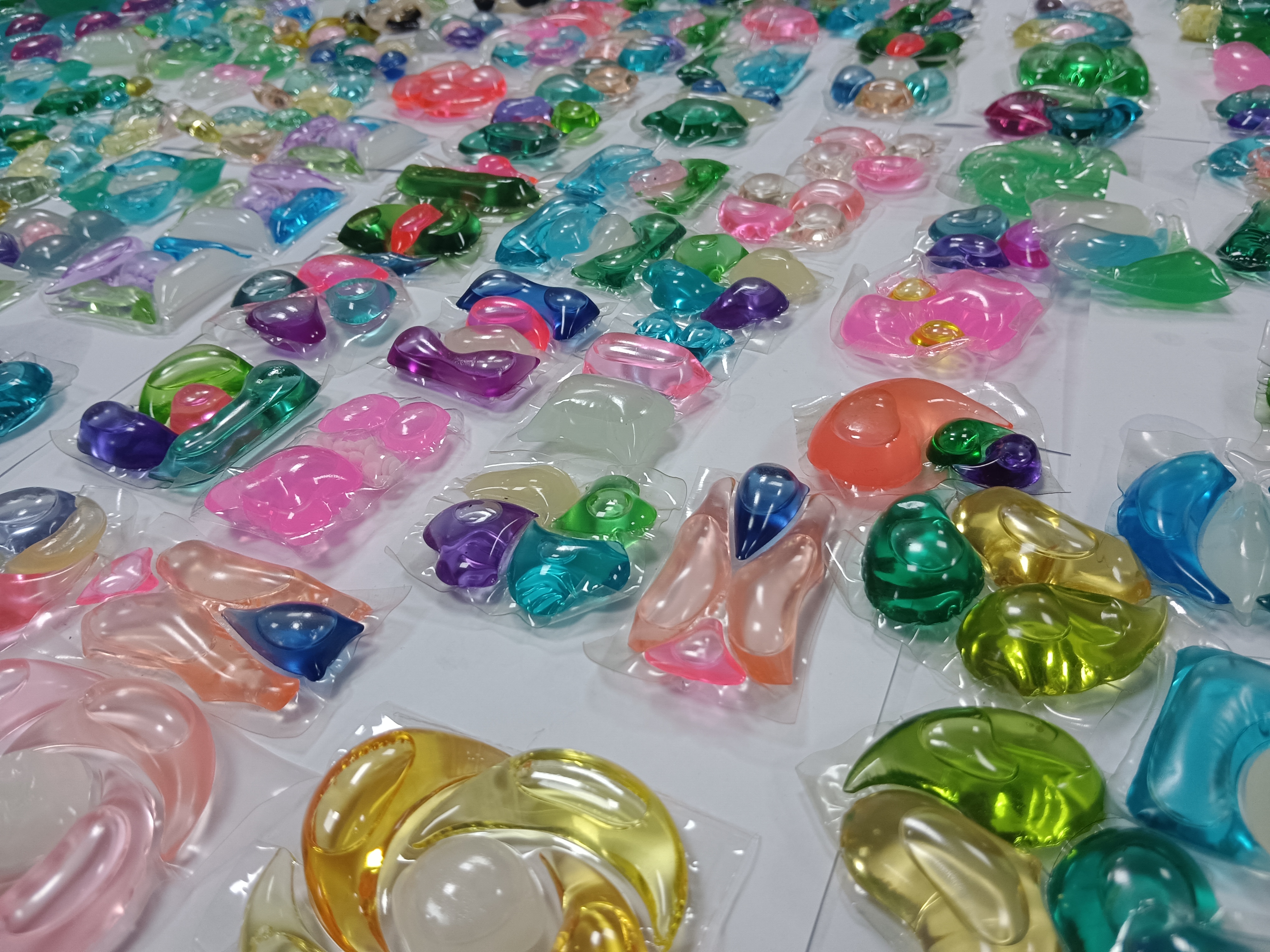
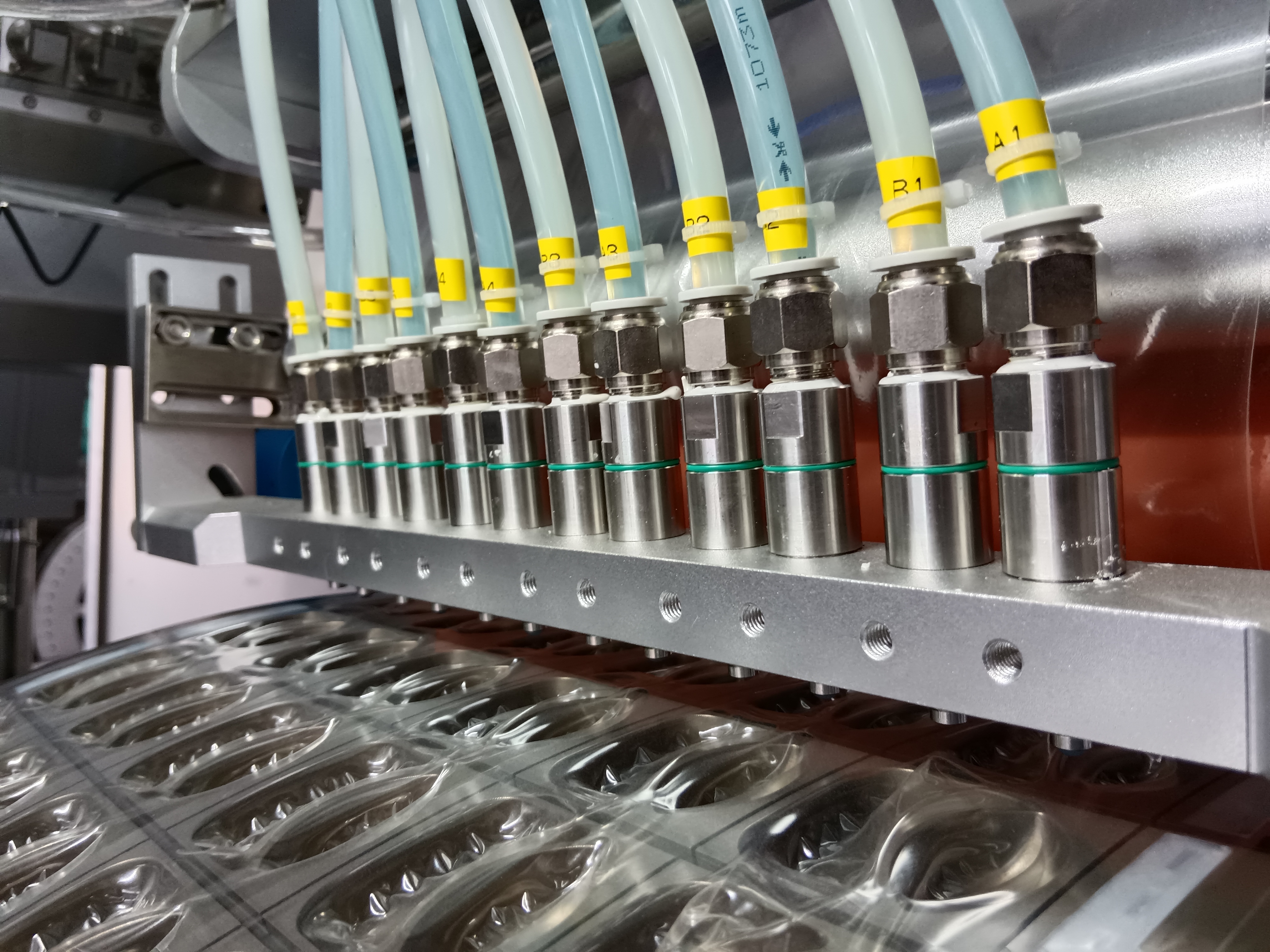
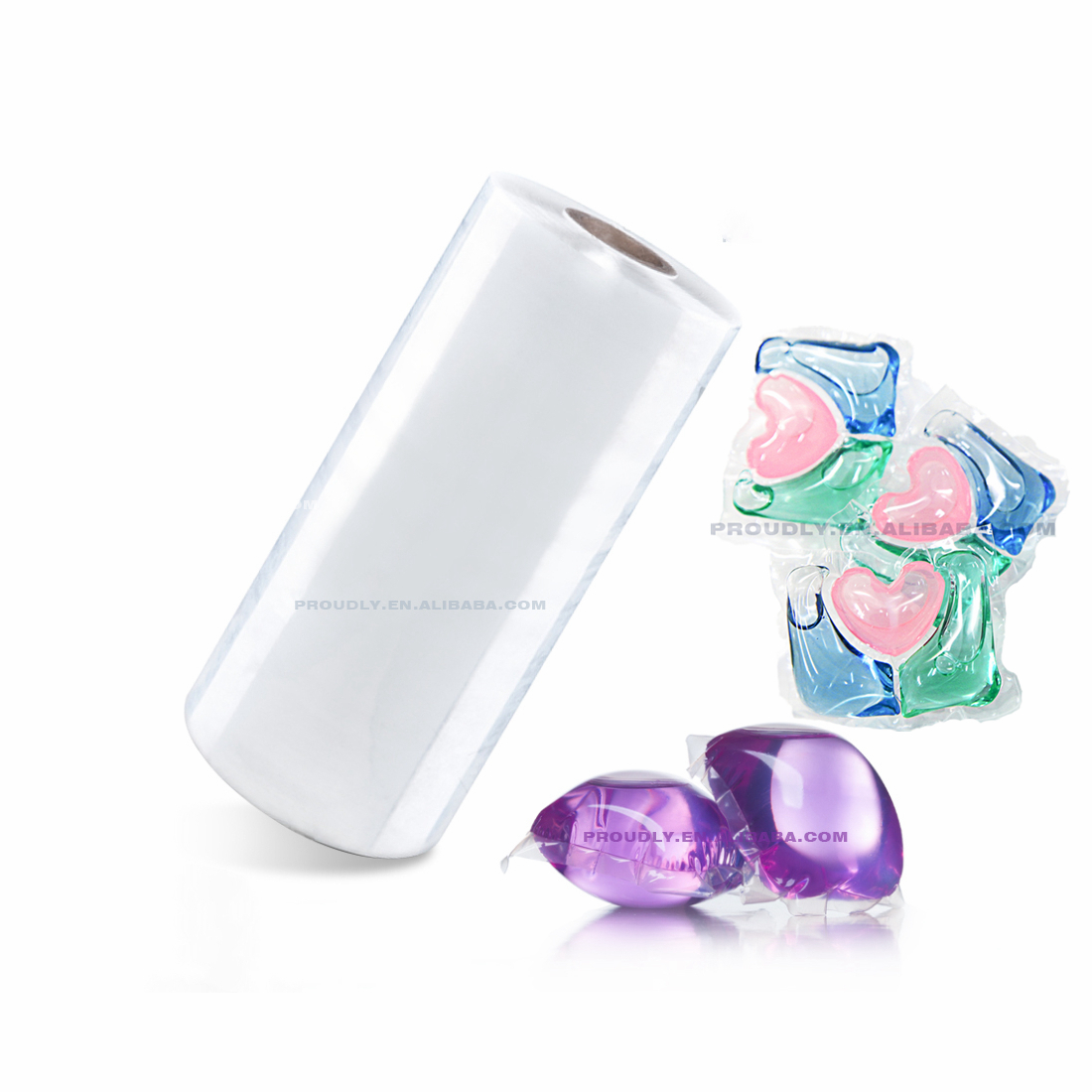
PVA films are made from polyvinyl alcohol, a water-soluble synthetic polymer. These films are known for their unique ability to dissolve in water at different temperature ranges, depending on their formulation. This property makes them an ideal material for applications such as detergent pods, water soluble bags, and packaging for various household and industrial products.
Dishwasher pods and packaging often incorporate PVA films because they dissolve completely during the washing cycle, releasing the detergent inside. Not only does this provide convenience, but it also eliminates the need for additional plastic packaging, which often ends up as waste. The water solubility ensures the PVA film breaks down into harmless compounds, contributing to eco-friendliness.
Dissolve effectively in low-temperature water, suitable for energy-efficient dishwashing cycles.
Require higher water temperatures for dissolution, useful for intensive cleaning cycles.
Designed to dissolve while also breaking down into natural elements when exposed to specific environmental conditions. The availability of these film types allows manufacturers to tailor products to meet diverse consumer needs and align with eco-friendly goals.
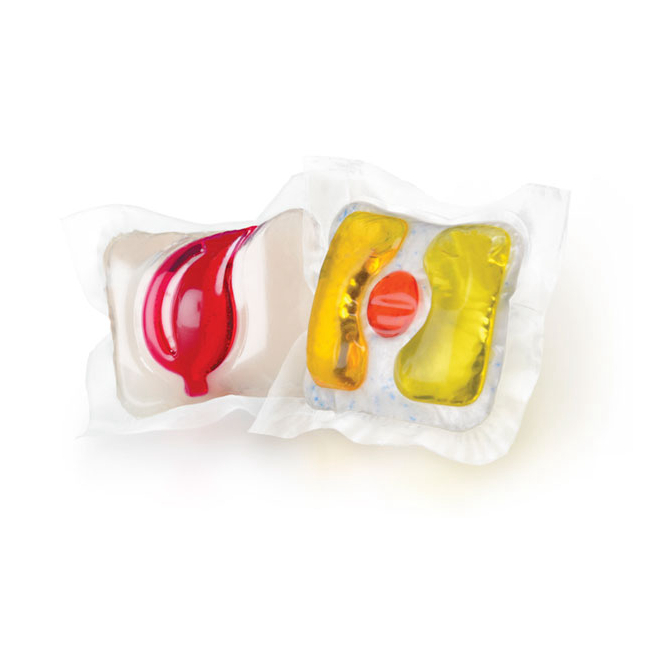
By replacing traditional plastic packaging with water-soluble PVA films, the volume of waste sent to landfills can be significantly reduced. Most plastic packaging used for detergents is non-biodegradable or difficult to recycle, contributing to long-term pollution. PVA films, on the other hand, dissolve during use, leaving no residual waste. Example:
Traditional detergent pods wrapped in non-degradable plastic can leave behind microplastics, which persist in the environment. Conversely, PVA-film-wrapped pods dissolve entirely in water, preventing microplastic contamination.
One of the most significant advantages of PVA films is their biodegradability. Under the right conditions, such as the presence of microbes in soil or water, PVA films break down into carbon dioxide, water, and biomass. This minimizes their environmental impact, particularly in settings where waste management infrastructure is insufficient.
Modern dishwashing formulations designed for use with PVA films often require less water for rinsing. The ease of film dissolution ensures that no residues remain, leading to cleaner results with less water usage. This contributes to conserving valuable water resources in areas facing shortages.
PVA films compatible with cold water solubility support the use of energy-efficient dishwashing cycles. By dissolving even in lower-temperature water, they reduce the need for energy-intensive hot cycles, aligning with global goals to minimize energy consumption.
| Factor | Traditional Plastic Wrap | PVA Films |
|---|---|---|
| Biodegradability | Non-biodegradable | Biodegradable under right conditions |
| Contribution to Waste | High | Minimal |
| Dissolution in Water | No | Yes |
| Energy Usage | High (may need extra cleaning) | Lower (dissolves with detergent) |
| Microplastic Contamination | Yes | No |
Despite their advantages, PVA films are not without challenges. Key issues include:
PVA films are currently more expensive to produce than conventional plastic materials. While the cost gap is closing due to increased demand and technological advancements, affordability remains a limitation for widespread adoption.
While PVA films are generally biodegradable, the extent of their degradation depends on environmental conditions. Some studies suggest that they may require specific microbial activity and moisture levels to fully break down, which may not always be present in natural settings.
The dissolution of PVA films can sometimes be affected by water hardness. Minerals in hard water may interfere with the process, leading to incomplete dissolution and reduced cleaning performance.
Existing waste management systems are often designed to handle traditional plastics. Adapting these systems to accommodate PVA films may require significant investments in technology and infrastructure.
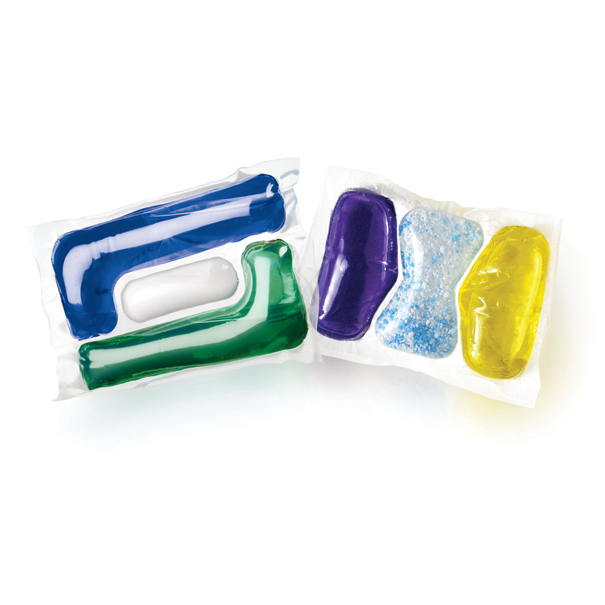
Yes, PVA films are safe to use in dishwashers. They are designed to dissolve completely in water and leave no residue that could damage the dishwasher or dishes.
No, when PVA films dissolve, they break down into harmless compounds like water and carbon dioxide. Studies have shown that properly formulated PVA films do not release toxic substances.
PVA films provide a precise and convenient method for delivering detergents. The film structure keeps the detergent securely sealed until it dissolves in water, ensuring optimal performance during the washing cycle.
Most PVA films are biodegradable under the right conditions. However, biodegradability may vary depending on the specific film composition and environmental factors such as temperature, moisture, and microbial activity.
PVA films are designed to withstand a range of dishwasher conditions. However, excessively hard water or extremely high temperatures may impact the rate of dissolution.
PVA films are currently more expensive to produce than traditional plastic films, but their environmental benefits often outweigh the cost difference. Over time, as demand increases, production costs are expected to decrease.
Beyond dishwashing products, PVA films are used in laundry pods, agrochemical packaging, skincare products, and even 3D printing applications due to their water-soluble properties.
With growing concerns about environmental sustainability, the adoption of PVA films is expected to expand into new applications. Industries such as agriculture, healthcare, and food packaging are increasingly exploring these materials as alternatives to single-use plastics.
Research and innovation are focused on improving the performance and cost-efficiency of PVA films. Advances in polymer science and manufacturing can help address existing challenges, such as enhancing biodegradability in diverse environments and reducing production costs.
Collaboration between manufacturers, regulations, and consumers will be key to achieving widespread acceptance of PVA films. By prioritizing eco-friendly products, consumers can drive demand, encouraging industries to scale up sustainable alternatives.
The use of biodegradable and water-soluble materials like PVA films aligns with global goals to reduce carbon emissions. By adopting such materials in dishwashing and other applications, households can play a role in addressing climate change.
If you're looking to reduce your environmental footprint while maintaining the effectiveness of your household cleaning products, PVA films are an excellent choice. They help limit waste, conserve water, and support global efforts to shift towards sustainable packaging. For more information about PVA films and other eco-friendly solutions, reach out to Proudly. You can contact us via email at proudly@proudly.com.cn or call us at +86-13802609114.