- All
- Product Name
- Product Keyword
- Product Model
- Product Summary
- Product Description
- Multi Field Search
 English
 Views: 0 Author: Site Editor Publish Time: 2026-08-12 Origin: Site
TL;DR:
The biodegradable backsheet is reshaping how sanitary napkin brands approach materials and sustainability. Made from water-soluble or plant-based polymers, these materials reduce plastic waste, meet tightening regulations, and respond to growing consumer demand for eco-conscious feminine hygiene products.
Plastic has long been the default material for feminine hygiene packaging. It's cheap, durable, and easy to manufacture at scale. But those same qualities have made it one of the more stubborn contributors to landfill waste—and consumers are paying attention. A 2023 survey by NielsenIQ found that 73% of global consumers say they would change their purchasing habits to reduce environmental impact. For brands in the feminine hygiene sector, that shift in values is no longer a trend to watch. It's a business decision to make.
At the center of this shift is the biodegradable backsheet—the outer film layer of a sanitary napkin that has traditionally been made from polyethylene or other petroleum-based plastics. New material science is making it possible to replace that layer with something that breaks down safely, without sacrificing comfort, leak protection, or structural integrity.
This post breaks down why that matters, what brands should look for in sustainable packaging materials, and how Proudly's solutions are helping feminine hygiene manufacturers make the switch.
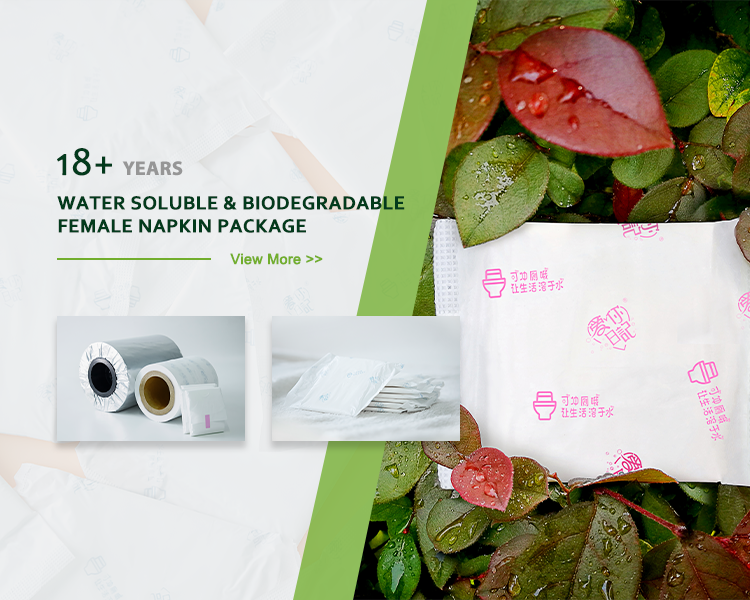

Standard sanitary napkin packaging—both the product itself and its outer wrapper—relies heavily on non-degradable plastics. A single conventional sanitary pad can contain the equivalent of four plastic bags. Multiplied across billions of units produced annually, that volume adds up fast.
Regulatory pressure is mounting. The European Union's Single-Use Plastics Directive has already targeted certain plastic products, and similar legislation is being drafted or enacted across Asia, North America, and Latin America. For manufacturers that sell internationally, the compliance window is narrowing.
Beyond regulation, there's a supply chain argument. Petroleum-derived plastics are subject to price volatility. Biodegradable alternatives—particularly those derived from polyvinyl alcohol (PVA) or other water-soluble polymers—offer more stable sourcing and, in many cases, lower disposal costs for end users.
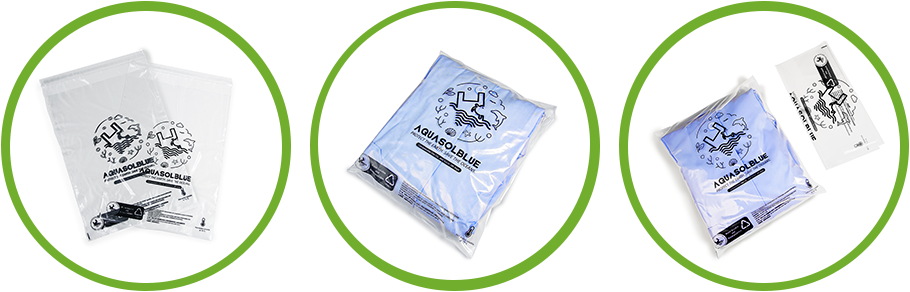
A common misconception is that "biodegradable" means fragile. In practice, modern biodegradable films can match or exceed the performance of their plastic counterparts across most key metrics.
Here's a direct comparison:
Property | Conventional Plastic Film | Biodegradable Film |
|---|---|---|
Tensile Strength | High | Medium to High |
Moisture Barrier | Excellent | Good to Excellent |
Biodegradability Rate | Near zero | ≥90% within 180 days (composting) |
Water Dissolution | None | Adjustable (temperature-controlled) |
Safety (food/skin contact) | Varies | Certified non-toxic |
Regulatory compliance (EU, etc.) | At risk | Aligned with current standards |
End-of-life disposal | Landfill/incineration | Compost/water-safe degradation |
The performance gap has narrowed significantly over the past decade. For most feminine hygiene applications, biodegradable materials now offer a viable and, in some markets, preferable alternative.
Switching to sustainable materials isn't simply about swapping one film for another. It requires rethinking the full packaging architecture—from the product backsheet to the individual wrapper.
Modern sustainable packaging for the sanitary napkins typically involves two distinct material layers. The first is the backsheet: the inner film that contacts the product and must provide leak protection while remaining soft and breathable. The second is the outer wrap or pouch, which encloses the individual pad for hygienic transport and storage.
Both layers benefit from biodegradable film technology, though their material specifications differ. Backsheets need higher moisture resistance and structural integrity during use. Outer wrappers prioritize ease of opening, compact sealing, and safe disposal. Getting both right requires material expertise and manufacturing precision—this is where experienced suppliers make a real difference.
Jiangmen Proudly Water-soluble Plastic Co., Ltd. has been developing biodegradable and water-soluble packaging materials since 2004. With over 19 years of R&D experience and a production capacity that supports more than 10,000 tons of film sold worldwide annually, Proudly has built specific solutions for the feminine hygiene sector. Their flushable and biodegradable film options are designed to meet international safety standards, including passing ecotoxicity and heavy metal tests, while achieving a biodegradability rate of ≥90% within 180 days under composting conditions.
Not all biodegradable materials are equal, and not all suppliers can deliver consistent quality at commercial scale. Here are the criteria that matter most:
Certifications: Look for ISO 9001 quality management certification, as well as documented ecotoxicity and heavy metal test results. These aren't optional—they're the baseline for regulatory compliance in most markets.
Adjustable performance parameters: The best biodegradable films allow manufacturers to configure dissolution temperature and speed based on product requirements. A one-size-fits-all material is rarely the right fit.
Application-specific experience: General film manufacturers may lack the specialized knowledge required for feminine hygiene applications. Suppliers with a dedicated track record in healthcare and personal care products offer a meaningful advantage.
Scalability: Pilot quantities are easy. Sustained production at commercial volume is where supplier reliability truly shows. Proudly's manufacturing infrastructure—300+ employees and 19+ years of operational history—is designed for exactly that kind of demand.
A biodegradable individual pouch for sanitary napkins, for instance, requires a precise balance between seal strength and ease of tear. Too rigid and user experience suffers. Too weak and hygiene integrity is compromised. Proudly's water-soluble and biodegradable films are engineered with that balance in mind, drawing on extensive testing across real-world product applications.
Waiting for consumer demand or regulatory deadlines to force a transition is a riskier strategy than it might appear. Brands that move early gain supplier access, better pricing, and time to optimize formulations before competitors enter the same space.
Early movers also benefit from differentiation at the point of sale. Eco-labeling and transparent material disclosures have measurable effects on purchasing decisions, particularly among younger demographics. In feminine hygiene—a category where brand loyalty is high but also fragile—packaging innovation can be a meaningful differentiator.
Proudly's team provides end-to-end support, from material selection to custom formulation and compliance documentation. Brands looking to transition their packaging line can contact Proudly directly at proudly@proudly.com.cn or visit the product center at proudly.com.cn to explore available materials and request a quotation.
What is a biodegradable backsheet in a sanitary napkin?
A biodegradable backsheet is the outer film layer of a sanitary napkin, made from materials that break down naturally over time—typically through composting or water dissolution. It replaces conventional polyethylene film and reduces the product's long-term environmental footprint.
How long does a biodegradable sanitary napkin wrapper take to decompose?
Decomposition rates vary by material and conditions. PVA-based films from Proudly achieve a biodegradability rate of ≥90% within 180 days under composting conditions and ≥75% within 72 days in sewage water environments.
Are biodegradable films safe for skin contact?
Yes—when properly formulated and certified. Proudly's biodegradable films are non-toxic, have passed ecotoxicity testing, and are rated safe for contact with food and skin.
Is biodegradable packaging more expensive than conventional plastic?
Initial material costs can be slightly higher, but factors such as regulatory compliance savings, reduced disposal costs, and brand value uplift often offset the difference. Pricing also improves significantly at commercial production volumes.
Which markets have the strongest regulatory requirements for sustainable feminine hygiene packaging?
The European Union currently leads with its Single-Use Plastics Directive. South Korea, Japan, and several Southeast Asian markets have introduced or are developing similar frameworks. Brands targeting international distribution should treat biodegradable packaging as a near-term compliance requirement, not a long-term aspiration.