- All
- Product Name
- Product Keyword
- Product Model
- Product Summary
- Product Description
- Multi Field Search
 English
 Views: 0 Author: Site Editor Publish Time: 2025-04-28 Origin: Site
The rise of innovative packaging solutions has brought significant improvements in product usability, convenience, and sustainability. One such innovation is the use of polyvinyl alcohol (PVA) films. Commonly found in dishwasher detergents, these water-soluble films (often referred to as water-soluble packaging) have revolutionized detergent storage and dosing. However, growing concerns about their environmental impact have prompted the search for viable alternatives. This article explores PVA films in detail, discusses available alternatives, and introduces a reliable solution provider.
What are PVA Films? Polyvinyl alcohol (PVA) films are synthetic polymers designed to dissolve in water. They are widely used in packaging due to their water solubility, durability, and compatibility with a variety of ingredients. These films are especially common in dishwasher detergent pods and laundry capsules, offering a pre-measured, hassle-free solution that prevents spills and overuse.
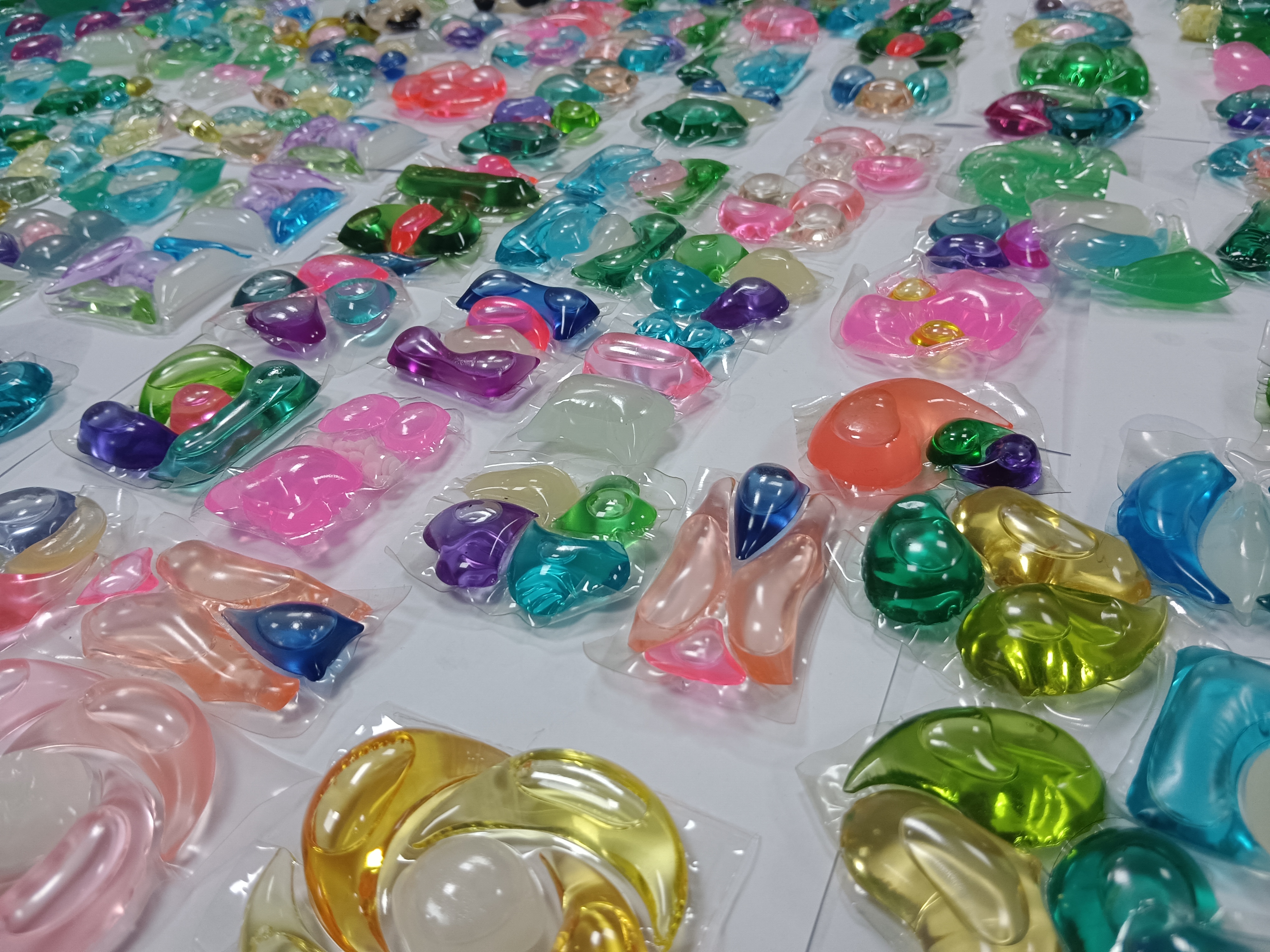
PVA films serve several important purposes when incorporated into dishwashing or laundry detergents:
They eliminate the need for manual measuring. They ensure the correct dosage with every dishwasher cycle.
PVA films house potentially caustic chemicals safely, reducing contact with skin. They keep the detergent portions separate and intact until use.
Upon contact with water, these films dissolve completely, releasing the detergent into the appliance. While PVA films are undeniably functional, their environmental credentials are often debated. Despite manufacturers claiming complete biodegradability, some studies suggest that the dissolved film leaves behind microplastics, which can accumulate in waterways and ecosystems. This concern has paved the way for sustainable innovations in water-soluble films.
Several companies are developing alternatives to PVA films within the packaging sector, particularly focusing on dishwasher detergent applications. Potential substitutes strive to maintain effectiveness while reducing environmental footprint, cost, and associated risks. Below, we will analyze some of these alternatives in detail.
One clear contender to replace PVA is natural, plant-based water-soluble films. Derived from renewable materials such as cellulose or starch, these films function similarly to PVA in their ability to dissolve in water, but they decompose naturally into non-toxic components. Advantages:
Fully biodegradable without creating microplastics. Lesser dependence on petroleum-derived inputs. Reduces the impact on aquatic ecosystems.
Higher production costs compared to synthetic films. Slightly lower barrier protection against moisture than PVA.
| Feature | PVA Films | Plant-Based Films |
|---|---|---|
| Environmental Friendliness | Potential microplastic traces | Fully biodegradable |
| Water Solubility | Immediate dissolution | Similar performance |
| Cost | Currently cost-effective | Relatively high |
Edible films, often made of alginate or gelatin, provide another unique alternative to PVA films. Though primarily designed for food wraps and capsules, recent experiments with detergent applications show promise. Advantages:
Completely safe for both wildlife and humans. Does not leave residues after dissolution. Derived from renewable, natural resources. Challenges: Limited durability when exposed to moisture during storage. Higher sensitivity to temperature fluctuations compared to synthetic films.
Paper-based shrink film packaging solutions are gaining attention for their natural degradability and versatility. While not water-soluble, paper shrink film packaging can still preserve detergent integrity through coatings or laminations. Advantages:
Readily recyclable and biodegradable. Less energy-intensive production process. Cost-efficient for large-scale production.
Paper treatments to ensure moisture resistance may reduce eco-friendliness. May require additional protective layers.
| Material | Water-Soluble | Recyclable | Resilience to Moisture |
|---|---|---|---|
| Cellulose-Based | Yes | Yes | Moderate |
| Edible Films | Yes | Not applicable | Low |
| Paper-Based Films | No | Yes | Low to Moderate |
To bridge the gap between functionality and sustainability, hybrid films combine natural materials with synthetic inputs, reducing reliance on petroleum-based chemicals. These hybrid solutions strike a balance between eco-friendliness, durability, and cost. Advantages:
Delivers better strength and flexibility than plant-based films alone. Partially biodegradable, minimizing environmental risks. Improved film transparency and usability. Challenges: Not completely plant-based. Still under development and limited in supply.
Another innovative angle is the use of refillable or reusable containers paired with concentrated detergent tablets. Eliminating single-use packaging simplifies manufacturing and drastically reduces waste. Advantages:
No film residuals in water or the environment. Encourages sustainable consumer habits. Lower long-term cost for users. Challenges: Reduced consumer convenience compared to pre-portioned solutions. Higher upfront costs for container systems.

The environmental urgency we face cannot be overstated. Manufacturing industries are under increasing pressure to adopt sustainable practices, and PVA film applications are no exception. While PVA films are marketed on their ability to dissolve harmlessly, studies have raised concerns about their actual after-effects. Alternatives, such as biodegradable films or refillable systems, are steps toward solving these environmental-related issues. Key considerations when adopting alternatives include:
Evident reductions in microplastic traces. Improved consumer perception. Regulatory compliance with eco-friendlier standards. Long-term operational savings.
Below are some of the frequently asked questions about PVA films and their sustainable counterparts:
Water-soluble films can be made from synthetic materials such as polyvinyl alcohol (PVA) or natural polymers like starch, cellulose, and gelatin. These materials dissolve on contact with water.
While PVA films are marketed as biodegradable, much depends on environmental conditions. Some films degrade fully, while others may leave behind microplastic residues.
Biodegradable plant-based films, edible films, and paper-based shrink film packaging lead the list. Refillable or reusable containers are also gaining popularity for their near-zero waste principles.
Alternatives, especially those using natural polymers, are often more expensive due to their production processes. However, as demand and production scale increase, costs are expected to drop.
Switching to sustainable alternatives aligns with global environmental goals, enhances company branding, and responds to growing consumer demand for eco-friendly products.
Yes, many alternatives are on par with, if not superior to, PVA films in terms of performance. Choosing the right material depends on specific use cases, such as durability, water solubility, and shelf-life needs.
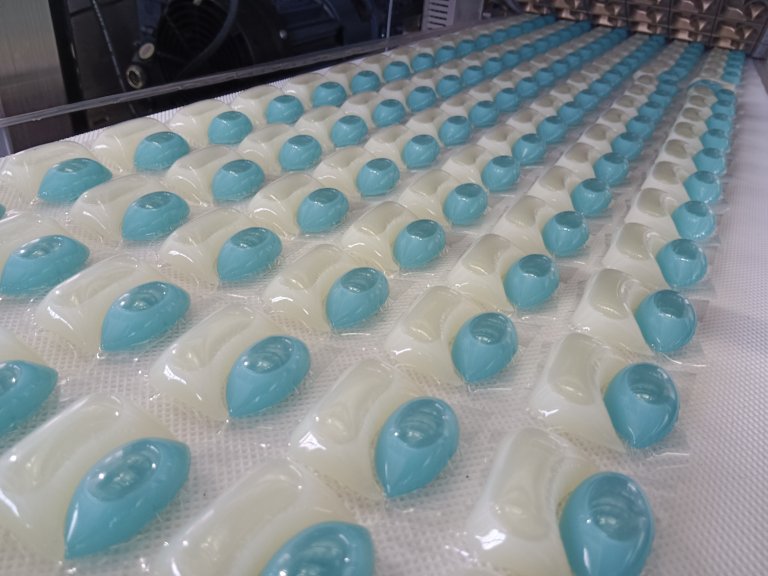
When considering a transition from PVA films to alternative solutions, it is critical to partner with a reliable provider. Companies like Proudly specialize in innovative, sustainable packaging technologies tailored for a wide range of industries, including detergents. Proudly offers expertise and high-quality alternatives to water-soluble packaging, including custom materials designed to minimize environmental impact. Whether you're looking for biodegradable films, shrink film packaging solutions, or expert consultation, Proudly is equipped to assist. For inquiries, reach out via:
Email: proudly@proudly.com.cn
Phone: +86-13802609114
Together, we can make responsible choices for the environment while maintaining high standards of performance and convenience.
The search for viable alternatives to PVA films in dishwasher detergents is more than a trend; it’s an urgent call to action. With innovative materials emerging, the industry has the tools to shift towards sustainability effectively. By prioritizing eco-friendly solutions and reaching out to trusted providers like Proudly, we can pave the way for a cleaner, greener future.